
Property Damage Liability Coverage — New Hampshire
Free to compare
New Hampshire's Financial Responsibility Rule
You are managing insurance for multiple vehicles in New Hampshire and need to know whether property damage liability coverage is required. The answer depends on your driving record and whether you choose to carry insurance at all. New Hampshire does not mandate that every driver carry liability insurance. Most drivers can legally register and drive without a policy, as long as they can prove financial responsibility if asked.
This article clarifies when property damage liability becomes required, what the state minimum is when you do carry coverage, and how the rules apply when you insure two or more vehicles on one policy.
“New Hampshire does not mandate insurance, but once you carry a policy, the $25,000 property damage minimum is required.”

Check Your Rate Against Other New Hampshire Drivers
Get My New Hampshire Car Insurance Quote$25,000
NH Property Damage Minimum
When you carry liability insurance in New Hampshire — whether by choice or court order — the state requires a minimum of $25,000 property damage coverage per accident. This is the floor, not a recommendation.
New Hampshire Department of Safety
When Property Damage Liability Is Required
New Hampshire operates under a financial-responsibility system. You are not required to carry liability insurance unless you fall into one of three categories: you have been convicted of certain violations, you have been involved in an at-fault accident without insurance, or a court has ordered you to file proof of financial responsibility.
Violations that trigger mandatory coverage include any DWI conviction, leaving the scene of an accident, and a second reckless-operation offense. When one of these violations appears on your record, the state requires you to file an SR-22 certificate and maintain continuous liability coverage for three years. The property damage minimum during that period is $25,000 per accident.
If you choose to carry insurance voluntarily — which most multi-vehicle households do — the same minimum applies. Your policy must meet or exceed $25,000 property damage, $25,000 bodily injury per person, and $50,000 bodily injury per accident. Every vehicle on the policy is covered at these limits or higher.
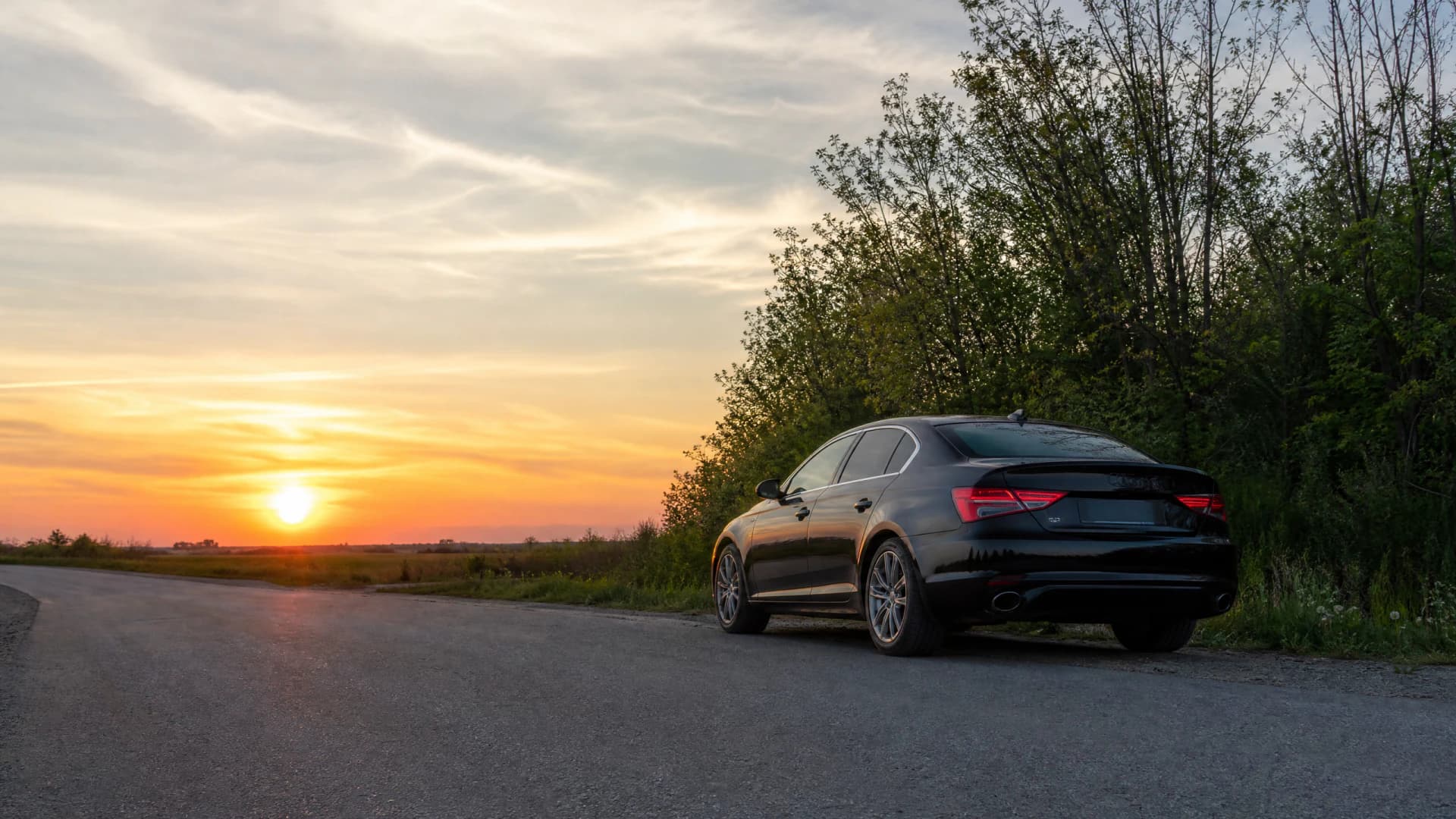
New Hampshire does not require insurance for most drivers, but once you carry a policy, the $25,000 property damage minimum is mandatory.
Related Articles






Proof of Financial Responsibility Without Insurance
New Hampshire allows drivers to prove financial responsibility without carrying insurance. You can post a bond with the state, deposit cash or securities with the state treasurer, or demonstrate sufficient assets to cover potential liability. The threshold is the same as the insurance minimum: you must be able to cover $25,000 in property damage, $25,000 bodily injury per person, and $50,000 bodily injury per accident.
Most multi-vehicle households find insurance more practical than bonding or cash deposits. A policy spreads the risk across a carrier and covers all household vehicles under one contract. Bonding ties up capital and does not cover your own vehicles or medical expenses. If you are managing two or more cars, a standard liability policy is typically the simpler path.
If you have been ordered to file an SR-22 after a violation, you cannot use the bond or deposit option. The SR-22 certificate requires an active insurance policy. The carrier files the certificate with the state, and you must maintain continuous coverage for the full three-year period. A lapse triggers license suspension.
15 carriers
NH Multi-Vehicle Carriers
Fifteen carriers write multi-vehicle policies in New Hampshire, including standard, preferred, and non-standard tiers. Comparing quotes across carriers is the only way to identify the policy structure and limits that fit your household.

Choosing Property Damage Limits Above the Minimum
The $25,000 state minimum covers moderate property damage, but falls short in collisions involving newer vehicles or multiple cars. A single new sedan can exceed $25,000 in replacement value. If you cause a total loss, you are personally liable for the difference between your policy limit and the actual damage.
Multi-vehicle households often carry higher property damage limits to protect household assets. When you insure multiple vehicles, the incremental cost of higher limits is typically smaller than the exposure you eliminate.
Compare Carriers and Limits for Your Household
New Hampshire's financial-responsibility system gives you flexibility, but once you choose to insure, the $25,000 property damage minimum is the floor. Most multi-vehicle households benefit from higher limits and a policy structure that covers every car under one contract. Compare quotes from carriers writing in New Hampshire to identify the liability limits and policy structure that fit your household. Enter your vehicles, drivers, and coverage preferences to see rates from carriers in your area.
How the Minimum Applies Across Multiple Vehicles
A single policy covering three vehicles carries one set of liability limits. If any vehicle on the policy is involved in an at-fault accident, the property damage coverage responds up to the per-accident limit you selected. The state minimum is $25,000, but your policy can carry higher limits.
Adding a second or third vehicle to an existing policy does not change the per-accident structure of your liability coverage. The limits apply to each accident, regardless of which vehicle was involved. Higher limits eliminate that exposure.
Get Your Free Quote
Get My New Hampshire Car Insurance QuoteFrequently Asked Questions
Does New Hampshire require property damage liability insurance?
New Hampshire does not require most drivers to carry liability insurance. If you choose to insure or are ordered to file proof after a violation, the state requires a minimum of $25,000 property damage coverage per accident.
What is the property damage liability minimum in New Hampshire?
$25,000 per accident. This minimum applies when you carry a liability policy, whether voluntarily or because a violation requires you to file an SR-22 certificate.
Can I drive in New Hampshire without property damage liability coverage?
Yes, unless you have been convicted of certain violations or ordered by a court to file proof of financial responsibility. Most drivers can legally drive without insurance if they can demonstrate financial responsibility through a bond, deposit, or sufficient assets.
How does property damage liability work on a multi-vehicle policy?
The property damage limit applies per accident, not per vehicle. A policy covering three vehicles carries one set of liability limits. If any vehicle on the policy causes an at-fault accident, the property damage coverage responds up to the per-accident limit you selected.
What happens if I cause more than $25,000 in property damage?
You are personally liable for the amount above your policy limit. Higher limits eliminate that exposure.
Do I need an SR-22 to carry property damage liability in New Hampshire?
No, unless you have been convicted of a violation that requires proof of financial responsibility. Voluntary insurance does not require an SR-22 filing. The certificate is mandatory only after specific violations, including DWI, leaving the scene of an accident, or a second reckless-operation offense.