
Minimum Liability Coverage Limits — New Hampshire
Free to compare
New Hampshire's Financial Responsibility System
You are managing insurance for multiple vehicles in a state that does not require most drivers to carry liability coverage at all. New Hampshire operates under a financial-responsibility system: you can legally drive without insurance as long as you can prove financial responsibility if asked, but once you choose to carry coverage or are required to after certain violations, specific minimum limits apply to every vehicle on your policy.
This creates a structural decision point for multi-vehicle households. You either carry no insurance and accept the financial risk, or you carry coverage that meets the state minimums across all your cars. There is no middle ground where one vehicle is insured and another is not on the same policy.
“The minimum limits apply per accident, not per vehicle — three cars on one policy still carry $25,000/$50,000/$25,000 total limits.”

Check Your Rate Against Other New Hampshire Drivers
Get My New Hampshire Car Insurance Quote$25,000/$50,000/$25,000
NH Minimum Liability Limits
When you carry liability insurance in New Hampshire, the minimum required limits are $25,000 per person for bodily injury, $50,000 per accident for bodily injury, and $25,000 for property damage. These limits apply whether you insure one car or five.
New Hampshire Department of Safety
What the Minimums Actually Cover
The $25,000 per person limit pays for injuries to one person in an accident you cause. The $50,000 per accident limit is the maximum your policy pays for all injuries in a single accident, regardless of how many people are hurt. The $25,000 property damage limit covers damage to other people's vehicles and property.
These limits apply per accident, not per vehicle. If you insure three cars on one policy and cause an accident in any of them, the same $25,000/$50,000/$25,000 limits apply. Adding more vehicles to your policy does not increase your liability limits unless you explicitly purchase higher limits.
New Hampshire also requires uninsured motorist coverage and personal injury protection when you carry liability insurance. Uninsured motorist coverage protects you when someone without insurance hits you. Personal injury protection covers your own medical expenses regardless of who caused the accident. Both are mandatory components of any liability policy in the state.
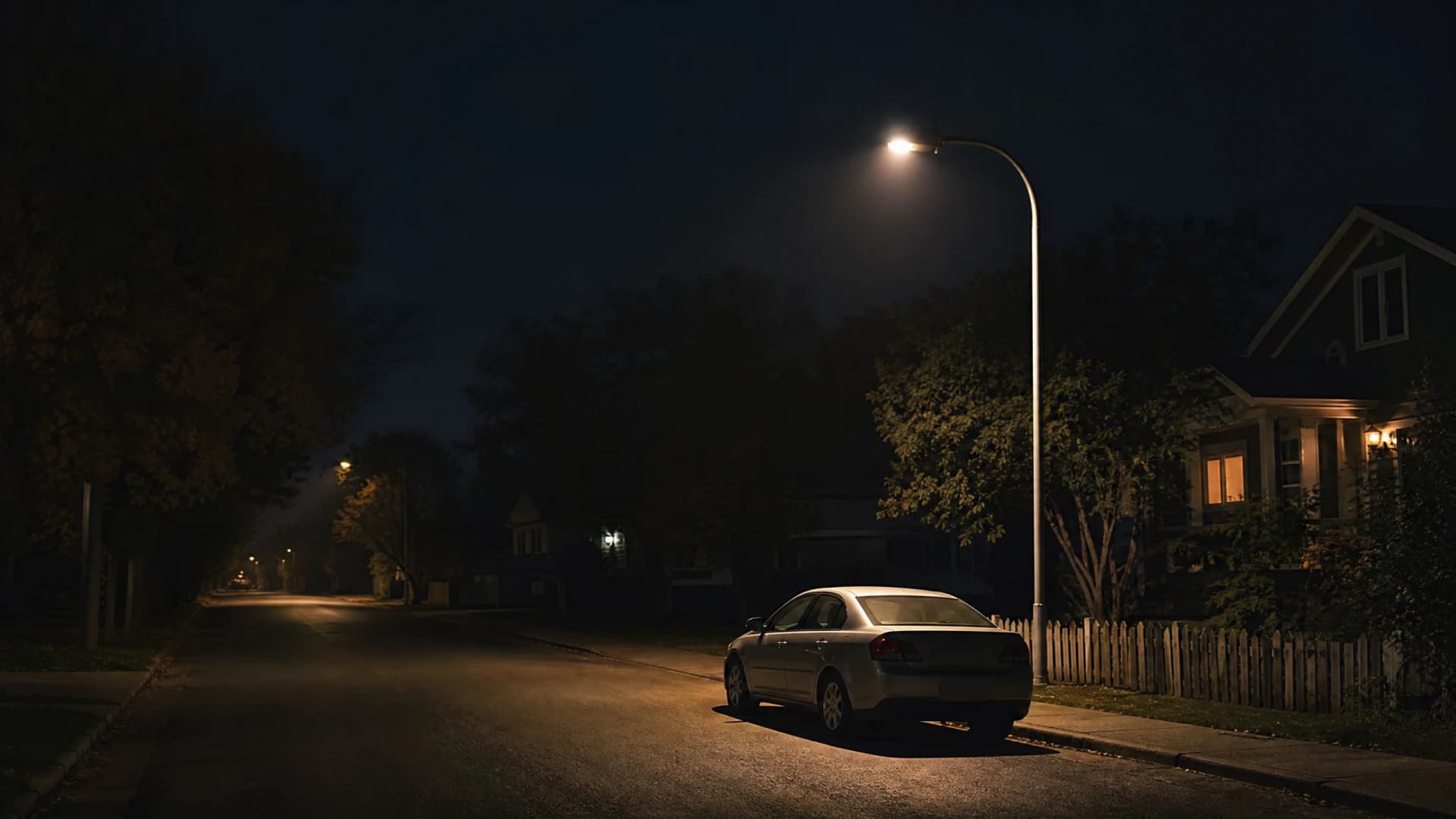
The minimum limits apply to every vehicle on your policy, but they do not stack. Three cars on one policy still carry $25,000/$50,000/$25,000 total limits per accident.
Related Articles





How Multi-Vehicle Policies Work With State Minimums
When you insure multiple vehicles on one policy, the liability limits you purchase apply to any accident involving any vehicle on that policy. If you carry only the state minimums and cause an accident in your second car, the $25,000/$50,000/$25,000 limits are all you have. The policy does not provide separate limits for each vehicle.
This matters for households with several cars because the financial exposure is the same whether you drive one car or four. If you cause a serious accident, the minimum limits may not cover the full cost of injuries or property damage, and you are personally liable for the difference. Many households with multiple vehicles choose higher limits to protect against this risk.
Carriers writing multi-vehicle policies in New Hampshire typically offer the same liability limit options across all vehicles on the policy. The limits apply to the policy as a whole.
15 carriers
NH Multi-Vehicle Carriers
Fifteen carriers write multi-vehicle policies in New Hampshire, including Allstate, Geico, Progressive, State Farm, and USAA. Not all carriers offer the same discounts or policy structures for households with multiple cars, so comparing quotes across carriers is the most reliable way to find the best fit for your situation.
Choosing Limits Above the Minimum
The state minimums are low by national standards. A single serious injury in an accident you cause can easily exceed $25,000 in medical expenses, and property damage to newer vehicles often exceeds $25,000. If your liability limits are exhausted, you are personally responsible for the remaining costs, which can include wage garnishment and asset seizure.
Households with multiple vehicles often carry higher limits because the incremental cost of increasing liability coverage is relatively small compared to the financial protection it provides. Some carriers offer discounts for multi-vehicle policies that partially offset the cost of higher limits.
Compare Carriers Writing Your Vehicles
New Hampshire's financial-responsibility system gives you the choice to carry coverage or not, but once you decide to insure your vehicles, the minimum limits apply across every car on your policy. The next step is comparing carriers that write multi-vehicle policies in New Hampshire to find the combination of limits, coverage options, and policy structure that fits your household. Fifteen carriers write policies in the state, and not all offer the same multi-car discounts or liability limit options. Request quotes from at least three carriers, specify the number of vehicles you are insuring, and compare both the minimum-limit premium and the cost of higher limits to understand your full range of options.
When New Hampshire Requires Coverage
A DWI conviction, leaving the scene of an accident, or a second reckless operation offense requires you to file an SR-22 certificate and carry liability insurance for three years. The SR-22 is not insurance itself but a certificate your carrier files with the state proving you carry at least the minimum limits. If your policy lapses during the three-year period, your carrier notifies the state and your license is suspended until you reinstate coverage.
You are also required to carry insurance if you cannot prove financial responsibility after an accident or if the state determines you are a financial risk. Financial responsibility can be proven through a surety bond, a certificate of deposit with the state treasurer, or self-insurance certification, but most drivers meet the requirement by carrying a liability policy. Once you are required to carry coverage, the minimum limits apply to every vehicle you own or operate.
Get Your Free Quote
Get My New Hampshire Car Insurance QuoteFrequently Asked Questions
Does New Hampshire require car insurance for all drivers?
No. New Hampshire does not require most drivers to carry liability insurance, but you must be able to prove financial responsibility if asked. Certain violations, including DWI convictions and leaving the scene of an accident, do require you to carry insurance and file an SR-22 certificate for three years.
What are the minimum liability limits in New Hampshire?
When you carry liability insurance in New Hampshire, the minimum required limits are $25,000 per person for bodily injury, $50,000 per accident for bodily injury, and $25,000 for property damage. These limits apply whether you insure one vehicle or multiple vehicles on the same policy.
Do liability limits increase when I add more cars to my policy?
No. Liability limits apply per accident, not per vehicle. If you carry $25,000/$50,000/$25,000 limits and insure three cars on one policy, those same limits apply to any accident involving any of your vehicles. Adding more cars does not increase your liability coverage unless you explicitly purchase higher limits.
What other coverage does New Hampshire require?
New Hampshire requires uninsured motorist coverage and personal injury protection when you carry liability insurance. Uninsured motorist coverage protects you when someone without insurance hits you, and personal injury protection covers your own medical expenses regardless of fault.
Should I carry higher limits than the state minimum?
Most households with multiple vehicles choose higher limits because the state minimums are low and may not cover the full cost of a serious accident. If your liability limits are exhausted, you are personally responsible for the remaining costs, which can include wage garnishment and asset seizure.
Can I insure one car and leave the others uninsured?
Technically yes, because New Hampshire does not require most drivers to carry insurance. However, if you choose to carry coverage, the policy structure typically requires all household vehicles to be listed on the same policy or explicitly excluded. Carriers do not allow you to selectively insure only some vehicles without addressing the others.