
Minimum Car Insurance Requirements — New Hampshire
Free to compare
New Hampshire's Financial Responsibility Rule
You just moved to New Hampshire or bought another car for your household and discovered that the state does not require you to carry liability insurance. That is correct—New Hampshire is the only state in the country where most drivers are not legally required to buy auto insurance. But financial responsibility is not optional, and certain violations or at-fault accidents trigger a mandatory coverage requirement that applies to every vehicle you own.
The confusion comes from conflating two separate rules: the state does not mandate that you carry insurance before you register or drive, but it does mandate that you prove financial responsibility if you cause an accident, commit certain violations, or fall into specific risk categories. When that proof-of-responsibility requirement is triggered, liability insurance becomes the practical path for most households, and the coverage you carry must meet state minimums.
“New Hampshire does not require insurance before you register or drive, but financial responsibility is not optional after an at-fault accident or certain violations.”

Check Your Rate Against Other New Hampshire Drivers
Get My New Hampshire Car Insurance Quote$25,000 / $50,000 / $25,000
NH Liability Minimums When Required
New Hampshire's minimum liability limits—$25,000 bodily injury per person, $50,000 per accident, $25,000 property damage—apply when you are required to carry coverage after a violation, at-fault accident, or court order.
New Hampshire Department of Safety
When Coverage Becomes Mandatory
New Hampshire requires you to carry liability insurance and file proof with the state after a DWI conviction, leaving the scene of an accident, or a second reckless-operation offense. The state also requires coverage if you cause an at-fault accident and cannot pay the damages out of pocket, or if a court orders you to carry insurance as a condition of a Limited Driving Privilege after a license suspension.
The filing requirement lasts three years from the date of conviction or the triggering event, not from the date you buy the policy. Every vehicle titled in your name during that period must be insured to the state minimums, and you must maintain continuous coverage without a lapse. A single missed payment or coverage gap resets the clock and can extend the filing period.
If you own multiple vehicles, the requirement applies to all of them. You cannot insure one car and leave the others uninsured during the filing period. Carriers writing SR-22 policies in New Hampshire include State Farm, Geico, Progressive, USAA, Farmers, National General, The General, Bristol West, Allstate, and Liberty Mutual. Not every carrier writes non-owner SR-22 policies, so if you do not own a vehicle but need to file, confirm that the carrier offers that product before you apply.
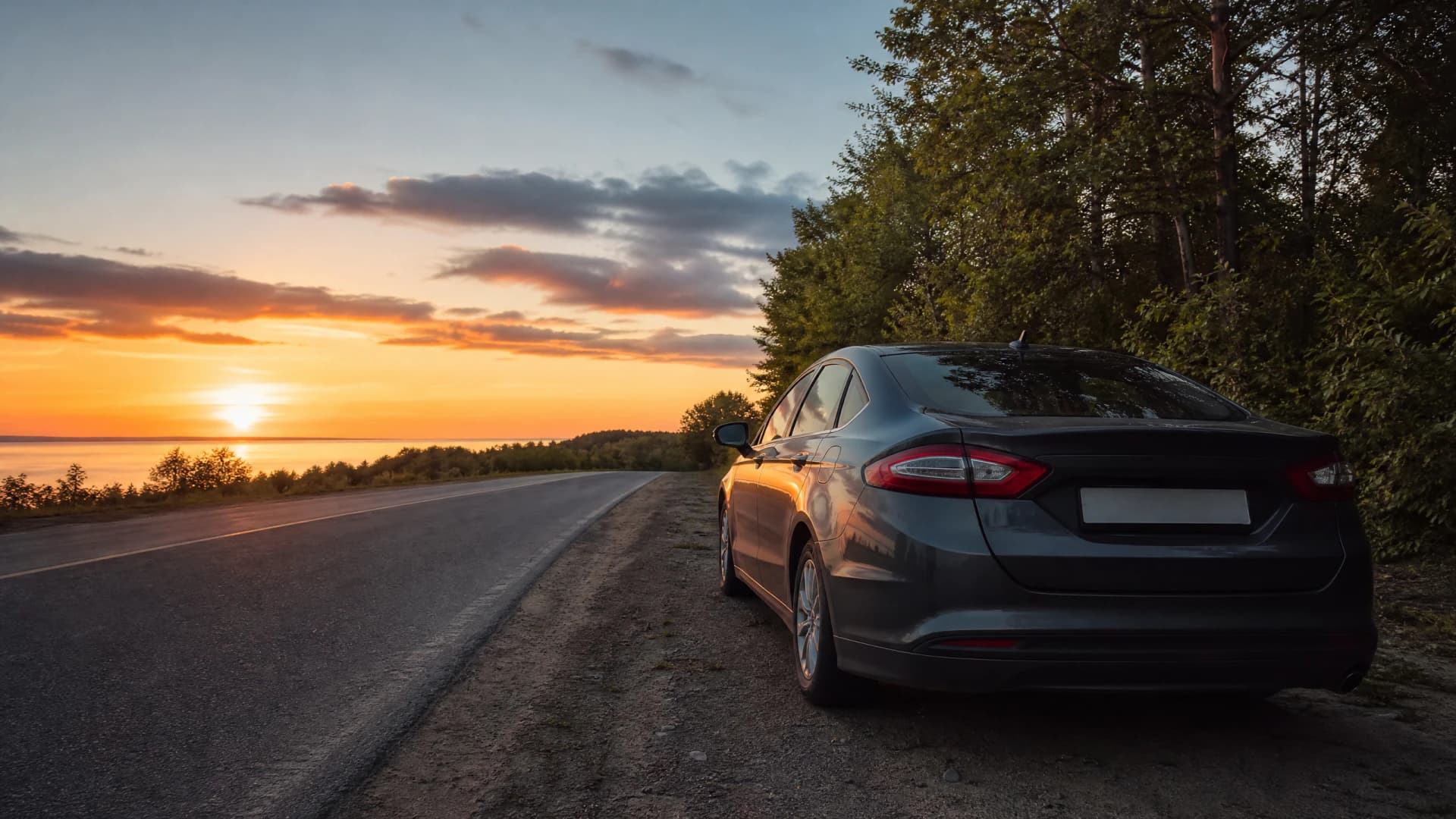
If you own three vehicles and one driver in your household triggers the SR-22 requirement, every car titled to anyone in the household must carry continuous coverage for the full three-year period.






Required Add-On Coverages in New Hampshire
New Hampshire mandates two add-on coverages when you carry liability insurance: Personal Injury Protection and Uninsured Motorist coverage. PIP pays your own medical bills and lost wages after an accident, regardless of fault, up to the policy limit. You can reject PIP in writing, but most households with multiple vehicles benefit from keeping it because it pays immediately without waiting for the at-fault party's insurer to settle.
Uninsured Motorist coverage pays your costs when an at-fault driver has no insurance or insufficient coverage to pay your claim. New Hampshire's uninsured motorist rate is 10 percent, meaning one in ten drivers on the road carries no liability insurance. UM coverage must match your liability limits unless you reject it in writing. If you carry $25,000/$50,000/$25,000 liability, your UM coverage must be at least $25,000/$50,000 unless you sign a rejection form. Households with multiple vehicles face higher statistical exposure to uninsured drivers simply because more trips mean more accident opportunities.
Both PIP and UM are mandatory unless you explicitly reject them in writing. Carriers cannot sell you a liability-only policy in New Hampshire without offering these coverages first and documenting your rejection if you decline. If you are required to file SR-22, rejecting UM or PIP does not affect your filing status, but it does leave your household exposed if an uninsured driver hits one of your cars or if your own medical bills exceed what the at-fault party's insurance will pay.
15 carriers
NH Carriers Writing SR-22 Policies
Fifteen carriers licensed in New Hampshire write SR-22 policies for drivers required to file proof of financial responsibility. Not all write non-owner policies, so confirm product availability before applying if you do not own a vehicle.
New Hampshire carrier roster, 2025

Multi-Vehicle Households and Proof of Responsibility
If one driver in your household triggers the SR-22 requirement, every vehicle titled to anyone at the same address must carry continuous coverage. The state does not allow you to insure only the car the triggering driver operates. This rule catches many households off guard when a second or third vehicle sits unused or is driven only occasionally—those cars still require active policies during the filing period.
The most common structural mistake is assuming that each vehicle can carry its own separate policy and still satisfy the SR-22 requirement. While that structure is technically compliant, it costs more than combining all vehicles onto one policy and applying the multi-vehicle discount most carriers offer. A single policy covering three vehicles typically costs less than three separate policies, and the SR-22 filing attaches to the policy, not to individual vehicles, so one filing covers the entire household when all cars sit on the same policy.
Compare Carriers and Structure Your Coverage
New Hampshire's optional-insurance rule creates a structural decision point for every household managing multiple vehicles: carry coverage voluntarily to protect your assets, or self-insure and accept the financial risk of an at-fault accident. Most households with more than one vehicle choose to carry liability coverage because the cost of totaling another car or injuring someone in an at-fault crash far exceeds the annual premium, and because lenders require coverage on financed vehicles regardless of state law.
When you decide to carry coverage, the next decision is whether to insure at the state minimums or buy higher limits. The $25,000/$50,000/$25,000 floor protects you to the legal minimum but leaves your household exposed if a claim exceeds those limits. Compare carriers writing your vehicle count and coverage structure—some write better rates for multi-vehicle households than others, and not all offer the same discount structures or non-owner policy options if your household includes a driver without a titled vehicle.
What the State Minimums Actually Cover
Bodily injury liability pays medical bills, lost wages, and pain-and-suffering claims for people you injure in an at-fault accident. The $25,000 per-person limit means the policy pays up to $25,000 for any single injured person, and the $50,000 per-accident limit caps total bodily injury payouts across all injured parties in one crash. If you injure three people and their combined medical bills exceed $50,000, you pay the difference out of pocket.
Property damage liability covers the other party's vehicle repair or replacement costs, plus any other property you damage—guardrails, fences, buildings. The $25,000 limit often falls short in multi-vehicle accidents or when you total a newer car. A 2023 vehicle carries an average value well above $25,000, so an at-fault crash that totals one car can exceed your property damage limit before accounting for any other damage or injuries. Minimum coverage protects the other party to the legal floor; it does not protect your household's assets if the claim exceeds the limit.
Get Your Free Quote
Get My New Hampshire Car Insurance QuoteFrequently Asked Questions
Do I need car insurance in New Hampshire if I own multiple vehicles?
New Hampshire does not require you to carry liability insurance unless you have been convicted of DWI, left the scene of an accident, committed a second reckless-operation offense, or caused an at-fault accident you cannot pay for out of pocket. If none of those apply, you can legally drive uninsured, but most households with multiple vehicles choose to carry coverage to protect their assets.
What are New Hampshire's minimum liability limits when I am required to carry coverage?
New Hampshire requires $25,000 bodily injury per person, $50,000 bodily injury per accident, and $25,000 property damage when you are required to carry liability insurance. These limits apply after a DWI conviction, at-fault accident, or court order, and you must maintain continuous coverage for three years from the triggering event.
Does New Hampshire require uninsured motorist coverage?
Yes. New Hampshire requires uninsured motorist coverage at limits matching your liability coverage unless you reject it in writing. Ten percent of New Hampshire drivers are uninsured, so UM coverage protects your household when an at-fault driver has no insurance or insufficient coverage to pay your claim.
How long does the SR-22 filing requirement last in New Hampshire?
New Hampshire requires SR-22 filing for three years from the date of conviction or the triggering event, not from the date you buy the policy. A lapse in coverage during the filing period resets the clock and can extend the requirement.
Can I insure just one vehicle if I own multiple cars in New Hampshire?
If you are required to file SR-22, every vehicle titled in your name must carry continuous coverage during the three-year filing period. You cannot insure one car and leave the others uninsured. If you are not required to file, you can choose to insure only some of your vehicles, but lenders require coverage on financed cars regardless of state law.
Which carriers in New Hampshire write SR-22 policies for multiple vehicles?
Fifteen carriers licensed in New Hampshire write SR-22 policies, including State Farm, Geico, Progressive, USAA, Farmers, National General, The General, Bristol West, Allstate, and Liberty Mutual. Not all write non-owner SR-22 policies, so confirm product availability before applying if you do not own a vehicle but need to file.
What is a Limited Driving Privilege in New Hampshire?
A Limited Driving Privilege allows you to drive for specific purposes—work, medical treatment, alcohol or drug treatment, education, or job training—after a DWI-related license suspension. You must petition the court where the conviction took place, and if granted, you must carry SR-22 insurance, drive only an ignition-interlock-equipped vehicle, and follow the time and route restrictions stated in the license.