
Why Car Insurance Is Expensive — New Hampshire
Free to compare
The Financial-Responsibility Paradox
You insure two cars in New Hampshire and watch the renewal premium climb year after year, even with clean records and no claims. The state doesn't require you to carry liability insurance at all, yet your household pays more than friends in states with strict mandates. The disconnect is structural: New Hampshire's financial-responsibility system lets most drivers skip coverage, but carriers price policies for the elevated risk that creates.
New Hampshire operates under RSA 264:2, which requires proof of financial responsibility only after certain violations or at-fault accidents. Most drivers can legally register and drive without buying insurance. The consequence: 10% of motorists are uninsured as of 2023, and carriers build that exposure into every premium they write. When you add a second or third vehicle to your policy, you're paying for uninsured-motorist risk across every car, not just one.
“New Hampshire mandates uninsured-motorist coverage on every policy but not liability insurance itself, creating the cost paradox households feel.”
Check Your Rate Against Other New Hampshire Drivers
Get My New Hampshire Car Insurance Quote10%
New Hampshire Uninsured Motorist Rate
One in ten drivers on New Hampshire roads carries no liability coverage. Carriers price for the probability that an at-fault driver in a collision with your insured vehicle has no insurance to pay your claim, shifting cost to your uninsured-motorist coverage.
New Hampshire Department of Safety, 2023
Mandatory PIP and UM Coverage Add Cost
New Hampshire requires every policy to include Personal Injury Protection and Uninsured Motorist coverage. These aren't optional add-ons you can decline to lower your premium. PIP pays medical expenses and lost wages for you and your passengers regardless of fault. UM pays when an at-fault driver has no insurance or insufficient limits to cover your damages.
The state minimum liability limits are $25,000 per person for bodily injury, $50,000 per accident, and $25,000 for property damage. But because UM is mandatory, your carrier must price for the scenario where the at-fault driver carries nothing. That risk is baked into the base premium before you choose collision or comprehensive. A household insuring three vehicles pays that mandatory-coverage cost three times over.
Carriers writing in New Hampshire include State Farm, Geico, Progressive, Allstate, Farmers, and USAA. All price for the same mandatory-coverage structure. The multi-car discount reduces the combined premium, but the per-vehicle cost still reflects PIP and UM requirements that don't exist in states with compulsory liability insurance.
New Hampshire mandates PIP and UM on every policy, but not liability insurance itself. You pay for uninsured-motorist protection whether or not you're required to carry coverage.


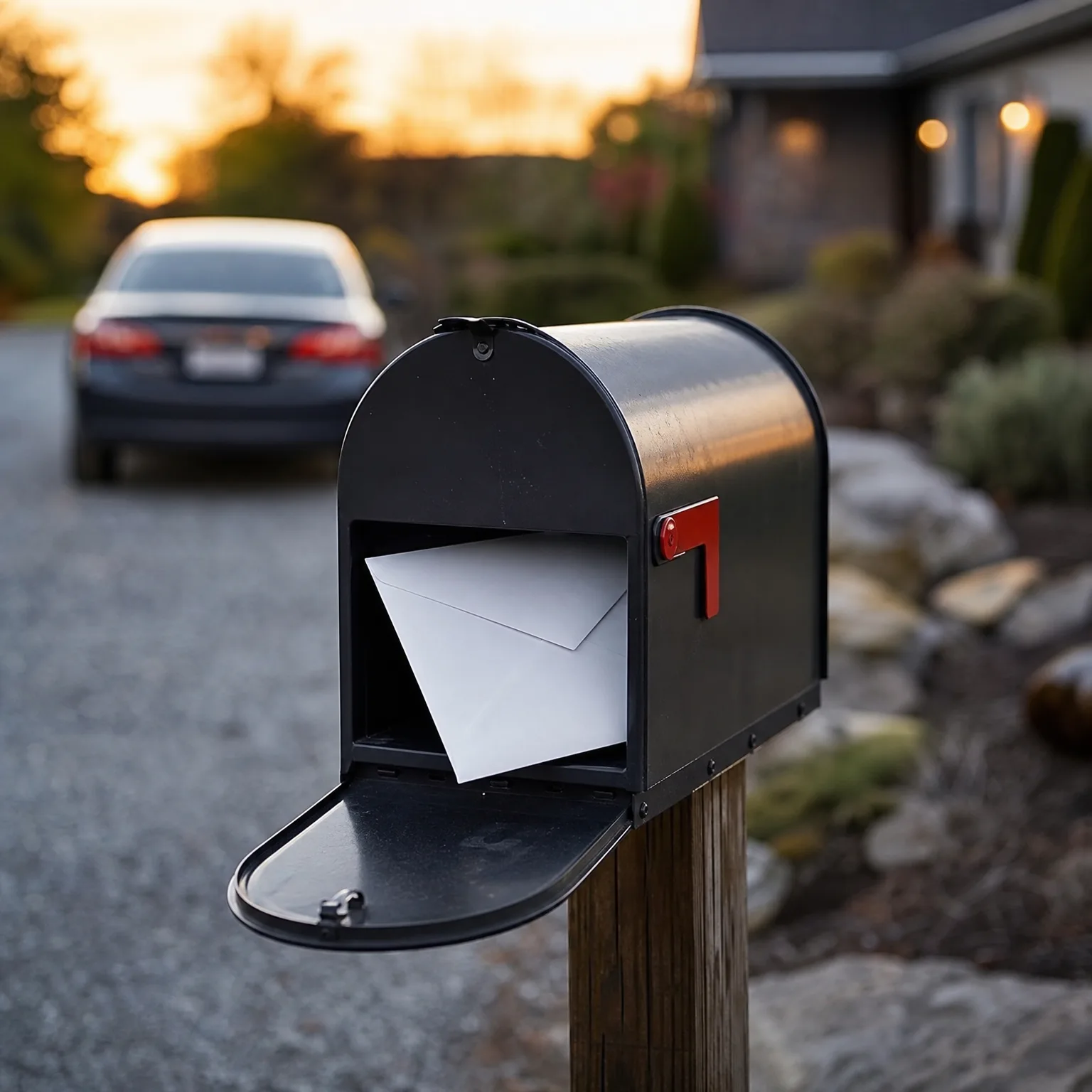


Uninsured Motorist Exposure Drives Rate Increases
Carriers adjust premiums annually based on claims experience. In New Hampshire, uninsured-motorist claims are more frequent than in states where liability insurance is compulsory. When an at-fault driver has no coverage, your UM coverage pays. The carrier recovers nothing from the at-fault party. That loss flows into the next year's rate calculation.
A household with multiple vehicles multiplies that exposure. Each car on the policy is a separate claim opportunity. A collision involving your second car triggers the same UM analysis as one involving your first. Carriers price for the probability that any vehicle on the policy will be hit by an uninsured driver. The more vehicles you insure, the higher the aggregate exposure, even with the multi-car discount applied.
New Hampshire recorded 0.96 traffic fatalities per 100 million vehicle miles traveled in 2023, below the national average. But 27% of those fatalities involved alcohol impairment. Carriers factor impaired-driving rates into underwriting because impaired drivers are disproportionately uninsured. The state's 75.7% seat-belt use rate and 64.9 vehicle thefts per 100,000 population also feed into rate models. Every data point that correlates with uninsured-motorist claims pushes premiums higher.
$25,000 / $50,000 / $25,000
New Hampshire Minimum Liability Limits
These are the minimum limits required when a driver must carry coverage: $25,000 per person for bodily injury, $50,000 per accident, and $25,000 for property damage. Drivers who voluntarily carry insurance often choose higher limits to protect household assets across multiple vehicles.
New Hampshire Department of Safety
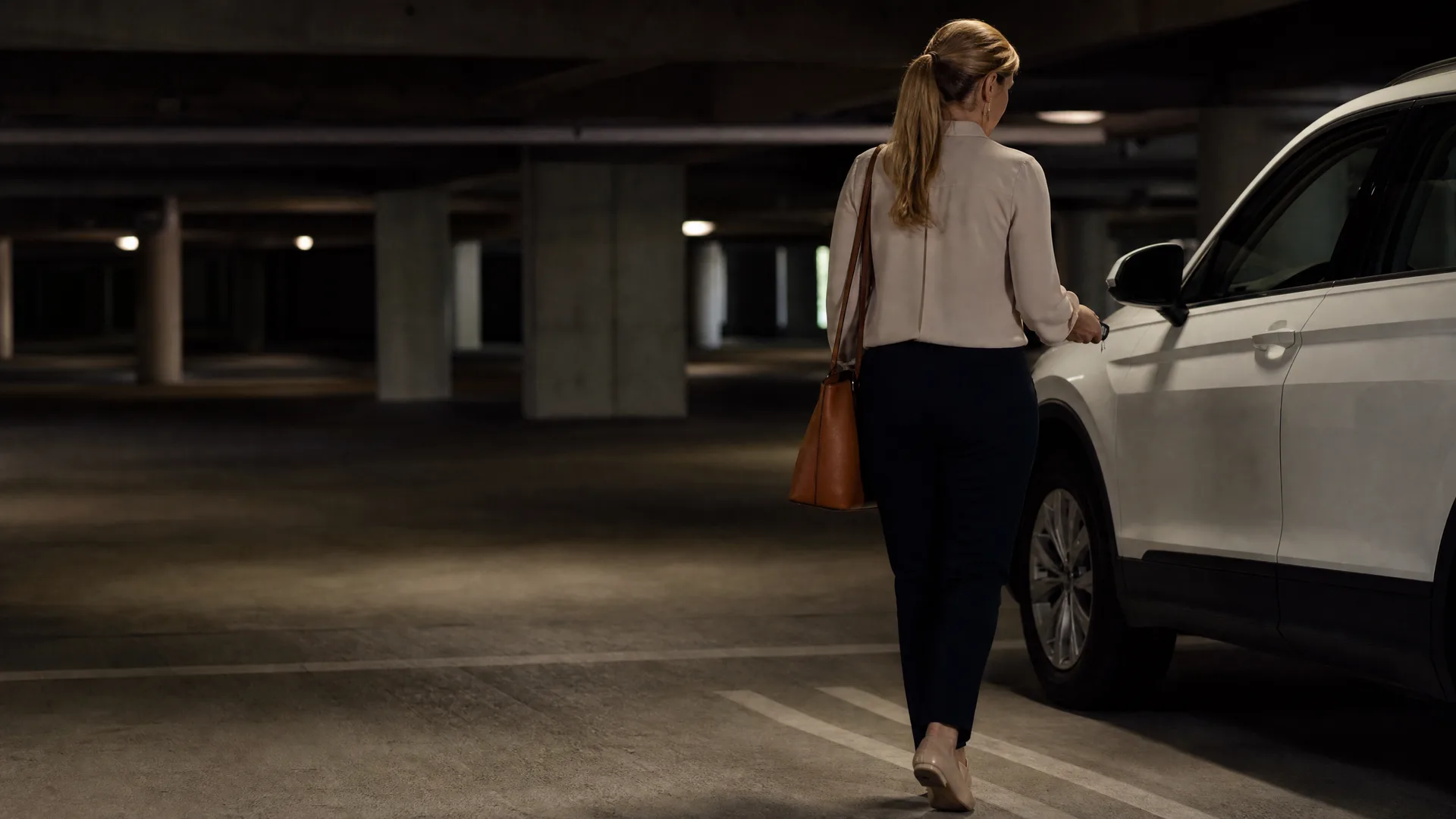
Multi-Car Discount Reduces but Doesn't Eliminate the Cost
The multi-car discount applies when you insure two or more vehicles on the same policy. Carriers reduce the combined premium because administrative cost per vehicle drops and the household presents a more stable risk profile. But the discount is a percentage off the base premium, and that base already includes mandatory PIP and UM coverage for every vehicle.
Adding a third vehicle to a two-car policy lowers the per-vehicle cost through the discount, but the total premium rises because you're adding another unit of mandatory-coverage cost. The discount doesn't change the structural reality: New Hampshire's system requires carriers to price for uninsured-motorist exposure, and that cost scales with the number of vehicles you insure. A household with four cars pays less per car than a household with one, but more in total than a household with two.
What You Can Control
You can't change New Hampshire's financial-responsibility system or the mandatory-coverage requirements. You can control your coverage selections, your deductibles, and which carrier writes your policy. Liability limits above the state minimum protect household assets if you're at fault in a serious accident. Collision and comprehensive are optional: choose a $500 or $1,000 deductible based on your vehicle's value and your ability to pay out of pocket after a claim.
Compare carriers that write multi-vehicle policies in New Hampshire. State Farm, Geico, Progressive, Allstate, Farmers, USAA, Liberty Mutual, National General, The General, Travelers, Nationwide, Hartford, Amica, Auto Club Enterprises, and Bristol West all operate in the state. Each prices for the same mandatory-coverage structure, but base rates and discount structures vary. A carrier with a smaller discount on a lower base rate can cost less than one with a larger discount on a higher base. Request quotes from at least three carriers and compare the total premium for all vehicles on one policy, not the per-vehicle breakdown.
How the Financial-Responsibility System Works
Most drivers are not required to buy insurance. You can register a vehicle and drive legally without a policy as long as you can prove financial responsibility if asked. Proof means demonstrating you can pay damages from an at-fault accident: a bond, a certificate of deposit, or cash equivalent. The state assumes you'll cover your own liability. The requirement kicks in only after certain violations: any DWI, leaving the scene of an accident, or a second reckless-operation offense. At that point, you must file an SR-22 certificate and carry liability coverage for three years.
If you choose to carry insurance voluntarily, your policy must include the state's mandatory coverages: PIP and UM. You can't buy a liability-only policy and skip them. Carriers price every policy for the uninsured-motorist exposure the financial-responsibility system creates. When you add a vehicle mid-term, the policy re-rates to include that vehicle's share of mandatory-coverage cost. The multi-car discount applies to the combined premium, but the per-vehicle base reflects New Hampshire's unique structure.
Get Your Free Quote
Get My New Hampshire Car Insurance QuoteFrequently Asked Questions
Why is car insurance expensive in New Hampshire if it's not required?
New Hampshire mandates Personal Injury Protection and Uninsured Motorist coverage on every policy, even though liability insurance itself is optional for most drivers. Carriers price for the 10% uninsured-motorist rate, and that cost is baked into every premium. Multi-vehicle households pay that mandatory-coverage cost across every car on the policy.
Does the multi-car discount lower my premium enough to offset New Hampshire's high rates?
The multi-car discount reduces the combined premium, but it's a percentage off a base that already includes mandatory PIP and UM coverage for each vehicle. Adding a third car lowers the per-vehicle cost through the discount but raises the total premium because you're adding another unit of mandatory-coverage cost.
Can I drop uninsured motorist coverage to lower my premium in New Hampshire?
No. New Hampshire requires every auto insurance policy to include Uninsured Motorist coverage. You cannot decline it to reduce your premium, even if you're voluntarily carrying insurance and not required to by law.
Which carriers write multi-car policies in New Hampshire?
State Farm, Geico, Progressive, Allstate, Farmers, USAA, Liberty Mutual, National General, The General, Travelers, Nationwide, Hartford, Amica, Auto Club Enterprises, and Bristol West all write multi-vehicle policies in New Hampshire. Each prices for the same mandatory-coverage structure, but base rates and discount structures vary by carrier.
How does New Hampshire's uninsured motorist rate affect my premium?
10% of New Hampshire drivers are uninsured. Carriers price every policy for the probability that an at-fault driver in a collision with your vehicle has no coverage. Your Uninsured Motorist coverage pays when that happens, and the carrier recovers nothing from the at-fault party. That loss flows into rate calculations for all policyholders.
What happens if I add a vehicle to my New Hampshire policy mid-term?
The policy re-rates to include the new vehicle's share of mandatory PIP and UM coverage cost. The multi-car discount applies to the combined premium, but the total premium rises because you're adding another unit of coverage. Most carriers allow a grace period to report the new vehicle, but coverage applies only if you notify the carrier within that window.