
Cheap Car Insurance — New Hampshire
Free to compare
Why New Hampshire Drivers Pay Different Rates for the Same Coverage
You're comparing car insurance rates in New Hampshire because something changed: you financed a vehicle and the lender requires full coverage, you triggered a violation that now requires proof of financial responsibility, or you're adding a second car and want to structure coverage across both without overpaying. New Hampshire is a financial-responsibility state—most drivers aren't required to carry insurance—but the moment you need it, you're shopping in a market where carriers price the same $25,000/$50,000/$25,000 liability limits anywhere from budget-tier to premium-tier depending on how they assess your household.
The structural reality: New Hampshire's no-mandate environment means carriers segment pricing aggressively. A driver buying coverage voluntarily to protect assets gets quoted differently than a driver buying because the state or a lender now requires it. A household insuring two vehicles on one policy may find the multi-car discount saves less than switching to a carrier that prices the second vehicle lower from the start. The cheapest option depends on your household structure, your reason for buying, and which carriers write your specific situation.
“A smaller percentage discount on a higher base rate often costs more than no named discount on a lower base rate.”

Check Your Rate Against Other New Hampshire Drivers
Get My New Hampshire Car Insurance Quote$82/mo
NH Average Monthly Premium
New Hampshire drivers paid an average of $82 per month for auto insurance in 2023, among the lowest in the nation. Individual rates vary widely by carrier, driving record, vehicle count, and whether coverage is voluntary or compliance-driven.
NAIC Auto Insurance Database Report 2023
What New Hampshire Actually Requires
New Hampshire does not mandate liability insurance for all drivers. You must prove financial responsibility—either by carrying insurance or by posting a bond or cash deposit with the state—only after certain violations: any DWI, leaving the scene of an accident, or a second reckless-operation offense. If you haven't triggered one of those, you can legally drive uninsured as long as you can pay damages out of pocket if you cause an accident.
When you do carry insurance, the minimum liability limits are $25,000 bodily injury per person, $50,000 bodily injury per accident, and $25,000 property damage. New Hampshire also requires uninsured motorist coverage and personal injury protection on every policy. These mandates apply the moment you buy a policy, even if the state didn't require you to buy one. Lenders financing a vehicle will require collision and comprehensive on top of liability, regardless of what the state mandates.
The pricing gap opens here: carriers price voluntary buyers—drivers choosing coverage to protect assets—differently than compliance buyers—drivers required to carry coverage after a violation. If you're shopping because you financed a car or want protection, you'll see lower quotes than if you're shopping because the state now requires an SR-22 filing. The same $25,000/$50,000/$25,000 limits cost different amounts depending on why you're buying.
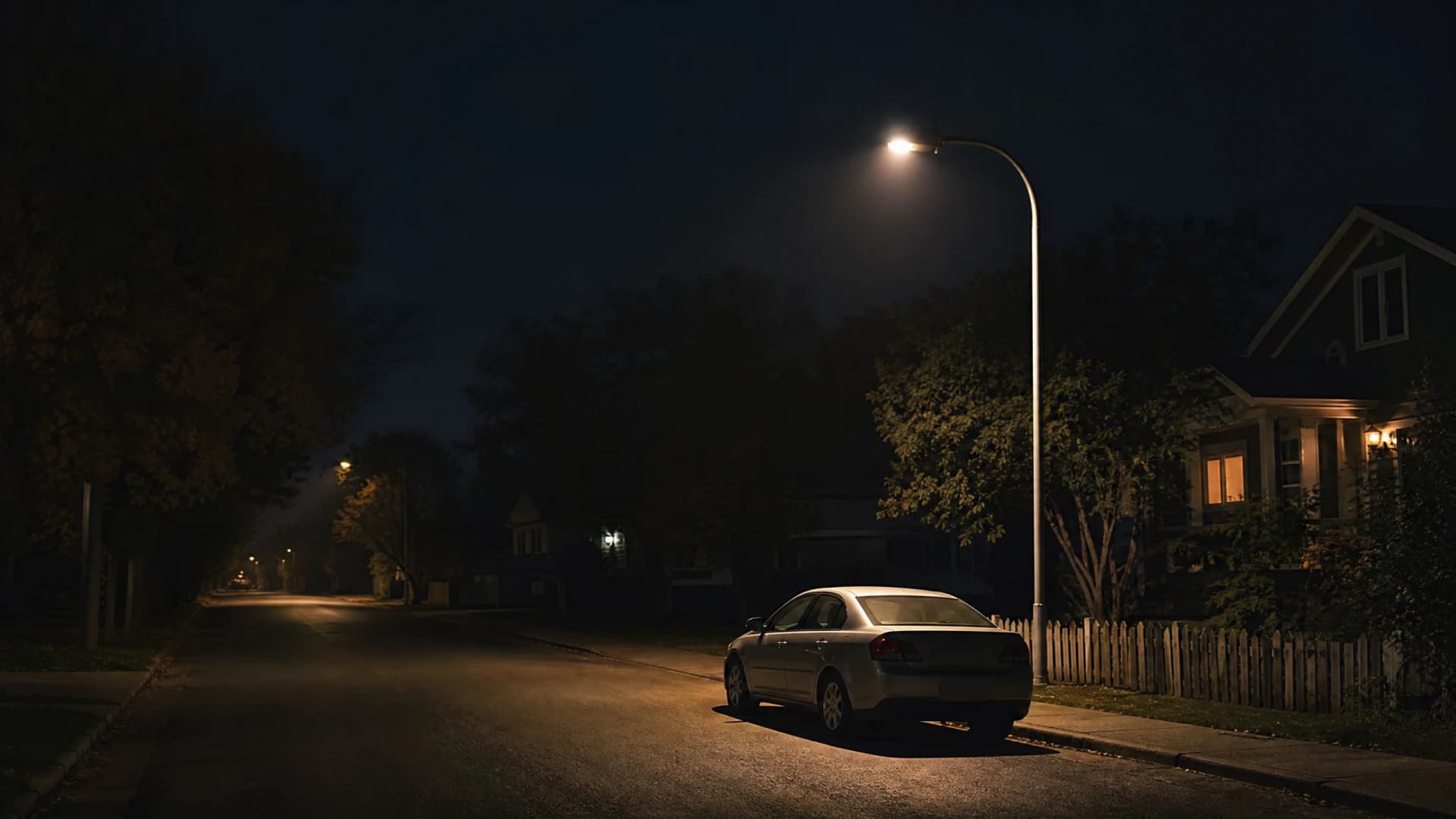
Carriers price voluntary coverage buyers lower than compliance buyers. If you're shopping after a violation, you're in a different rate tier even before the violation surcharge applies.
Related Articles






Multi-Vehicle Households and the Pricing Structure That Matters
A multi-car discount sounds straightforward: insure two or more vehicles on one policy and the carrier reduces your premium. The reality is more complex. Some carriers apply the discount as a percentage off the total premium—typically requiring every vehicle to sit on the same policy and share a garaging address. Other carriers price the second and third vehicles lower from the base rate without calling it a discount. A smaller percentage discount on a higher base rate often costs more than no named discount on a lower base rate.
When you're comparing quotes, ask each carrier how they structure multi-vehicle pricing. If the quote shows a line-item discount, ask what the premium would be without it—that tells you whether the discount is real savings or a pricing structure rebranded. If you're adding a vehicle mid-term, the carrier will re-rate the entire policy, not just add a flat amount for the new car. That re-rating can shift you into a different tier if your household's total risk profile changes.
Households with drivers in different risk tiers—one driver with a clean record, one with a recent violation—may find that splitting vehicles across two separate policies costs less than combining them on one. The multi-car discount assumes every driver on the policy shares the same risk tier. If that assumption breaks, the discount disappears into the higher base rate. Compare both structures: one policy for all vehicles versus separate policies per driver.
15 carriers
NH Licensed Auto Insurers
Fifteen carriers write auto insurance in New Hampshire, including preferred-tier carriers like State Farm and USAA, standard-tier carriers like Geico and Progressive, and non-standard carriers like The General and Bristol West. Coverage availability and pricing vary by tier and household structure.

Coverage Decisions That Change What You Pay
New Hampshire requires uninsured motorist coverage and personal injury protection on every policy. You cannot waive these. The state's uninsured motorist rate sits at 10 percent—one in ten drivers on the road carries no insurance—so the UM coverage you're required to buy actually protects you from a common risk. PIP covers your medical expenses regardless of fault, up to the limit you select. Both coverages add to your premium, but you're buying them whether you want them or not.
If you're financing a vehicle, the lender will require collision and comprehensive. These coverages protect the lender's interest in the car, not just yours. Collision pays for damage to your vehicle after an accident; comprehensive pays for theft, weather damage, and vandalism. You'll select a deductible for each—typically $500 or $1,000. A higher deductible lowers your premium but increases what you pay out of pocket at claim time.
Liability limits above the state minimum cost more but protect household assets if you cause a serious accident. The state minimum—$25,000 per person, $50,000 per accident—covers a minor injury but falls short in a multi-vehicle crash or an injury requiring surgery. The incremental cost is smaller than the gap between the minimum and the actual damages you'd owe in a severe accident.
What Happens After You Buy
Once you've selected a carrier and coverage, the policy binds immediately if you pay the first month's premium. New Hampshire does not require you to carry proof-of-insurance cards unless you're subject to an SR-22 filing, but most carriers issue digital cards through their app. If you financed your vehicle, the lender will verify coverage directly with the carrier—you don't need to send proof unless the lender requests it.
If you're required to file an SR-22, the carrier files it electronically with the New Hampshire Department of Safety within one to three business days. The SR-22 stays on file for three years from the date of conviction, not the date of filing. If your policy lapses during that period, the carrier notifies the state and your license suspends again. Avoid the lapse by setting up automatic payment or switching carriers before the policy expires—most carriers that write SR-22 policies will file the new certificate before canceling the old one if you coordinate the timing.
Compare Carriers That Write Your Household Structure
The cheapest car insurance in New Hampshire is the policy that prices your specific household—vehicle count, driver count, violation history, and coverage needs—lower than every other option. That carrier changes depending on your structure. Start by requesting quotes from three carriers in your tier: if you have a clean record and you're buying voluntarily, try State Farm, USAA, and Amica. If you have a recent violation or you need an SR-22 filing, try Geico, Progressive, and Farmers. If you're in a non-standard tier, try The General, Bristol West, and National General. State your household details up front and ask how each carrier structures multi-vehicle pricing. The quote that wins is the one that prices your second and third vehicles lowest, not the one that advertises the biggest discount percentage.
How to Compare Carriers Writing New Hampshire Coverage
Start with tier placement. Preferred-tier carriers like State Farm, USAA, and Amica price voluntary buyers with clean records lowest but may not write policies for drivers with recent violations. Standard-tier carriers like Geico, Progressive, Allstate, and Farmers write a broader range of driving histories and often offer competitive multi-car discounts. Non-standard carriers like The General and Bristol West specialize in high-risk drivers and compliance filings but price higher across the board. If you're adding a second vehicle, compare how each carrier prices the additional car—some apply a percentage discount, others price the second vehicle lower from the base rate.
Request quotes from at least three carriers in your tier. State your household structure up front: how many vehicles, how many drivers, whether any driver has a violation in the past three years, and whether you need an SR-22 filing. Carriers that write SR-22 policies include State Farm, Geico, Progressive, Farmers, National General, The General, USAA, Bristol West, and Liberty Mutual. If you're insuring two or more vehicles, ask whether the multi-car discount applies to the policy total or per vehicle—the structure changes which carrier wins.
Get Your Free Quote
Get My New Hampshire Car Insurance QuoteFrequently Asked Questions
Does New Hampshire require car insurance?
New Hampshire does not require most drivers to carry car insurance. You must prove financial responsibility—either by carrying insurance or posting a bond—only after certain violations: any DWI, leaving the scene of an accident, or a second reckless-operation offense. If you haven't triggered one of those, you can legally drive uninsured as long as you can pay damages out of pocket if you cause an accident.
What are the minimum liability limits in New Hampshire?
When you do carry insurance in New Hampshire, the minimum liability limits are $25,000 bodily injury per person, $50,000 bodily injury per accident, and $25,000 property damage. The state also requires uninsured motorist coverage and personal injury protection on every policy. These mandates apply the moment you buy a policy, even if the state didn't require you to buy one.
How does a multi-car discount work in New Hampshire?
A multi-car discount typically requires every vehicle to sit on the same policy and share a garaging address. Some carriers apply the discount as a percentage off the total premium; others price the second and third vehicles lower from the base rate without calling it a discount. Compare both the discount percentage and the base rate—a smaller discount on a lower base rate often costs less than a larger discount on a higher base rate.
Which carriers write SR-22 policies in New Hampshire?
Carriers that write SR-22 policies in New Hampshire include State Farm, Geico, Progressive, Farmers, National General, The General, USAA, Bristol West, and Liberty Mutual. The SR-22 is filed electronically with the New Hampshire Department of Safety and stays on file for three years from the date of conviction. If your policy lapses during that period, your license suspends again.
Should I insure two vehicles on one policy or separate policies?
Insuring two vehicles on one policy usually costs less because of the multi-car discount, but households with drivers in different risk tiers—one with a clean record, one with a recent violation—may find separate policies cost less. The multi-car discount assumes every driver shares the same risk tier. Compare quotes for both structures: one policy for all vehicles versus separate policies per driver.
What happens if I let my car insurance lapse in New Hampshire?
If you're not required to carry insurance, letting your policy lapse has no legal consequence in New Hampshire. If you're subject to an SR-22 filing, the carrier notifies the state when your policy lapses and your license suspends again. Avoid the lapse by setting up automatic payment or coordinating the timing when switching carriers.