
Cheapest Car Insurance in New Hampshire
Free to compare
New Hampshire's Financial Responsibility Rule Changes the Cheapest-Insurance Question
You're comparing carriers to find the cheapest way to insure two or more vehicles in New Hampshire. Before you compare premiums, understand this: New Hampshire does not require most drivers to carry liability insurance. The state operates under a financial-responsibility system—you must prove you can pay for damages you cause, but insurance is only one way to meet that requirement. If you've never had a DWI, never left the scene of an accident, and never been convicted of reckless operation a second time, the state does not mandate that you buy coverage.
That structural reality reframes the entire cheapest-insurance question. For households with multiple vehicles, the decision isn't just which carrier offers the lowest premium—it's whether carrying coverage at all makes financial sense compared to self-insuring under New Hampshire's rules. Most multi-car households choose to carry coverage anyway, but the absence of a mandate means you're optimizing a voluntary purchase, not meeting a legal floor.
“New Hampshire doesn't mandate insurance for most drivers, so the cheapest multi-car strategy isn't finding the lowest premium—it's deciding whether to carry coverage at all.”

Check Your Rate Against Other New Hampshire Drivers
Get My New Hampshire Car Insurance Quote$25,000 / $50,000 / $25,000
New Hampshire Minimum Liability Limits
When New Hampshire drivers do carry liability insurance—either by choice or because a violation requires it—the state minimum is $25,000 bodily injury per person, $50,000 bodily injury per accident, and $25,000 property damage. These are the floors coverage must meet to satisfy financial responsibility when insurance is the chosen method.
New Hampshire Department of Safety
When New Hampshire Requires You to Carry Coverage
Three violation categories trigger a mandatory coverage requirement in New Hampshire: any DWI conviction, leaving the scene of an accident or conduct-after-accident violations, and a second or subsequent reckless-operation conviction. If you fall into any of those categories, the state requires you to file an SR-22 certificate—proof that a carrier is providing continuous liability coverage at or above the state minimums—for three years from the conviction date.
If your household includes a driver with one of those violations, you cannot self-insure. You must carry coverage on every vehicle that driver operates, and the carrier must file the SR-22 with the New Hampshire Division of Motor Vehicles. That requirement applies even if the other drivers in your household have clean records. The violation forces the entire household into the insurance market, and the cheapest-carrier question becomes a real constraint rather than an optional optimization.
For households without those violations, carrying coverage remains optional. You can register and drive multiple vehicles without buying insurance, as long as you can demonstrate financial responsibility if the state or a court asks for it. Most households choose to carry coverage anyway—self-insuring a multi-car household means accepting the full financial risk of a serious accident involving any of those vehicles—but the legal structure gives you the choice.
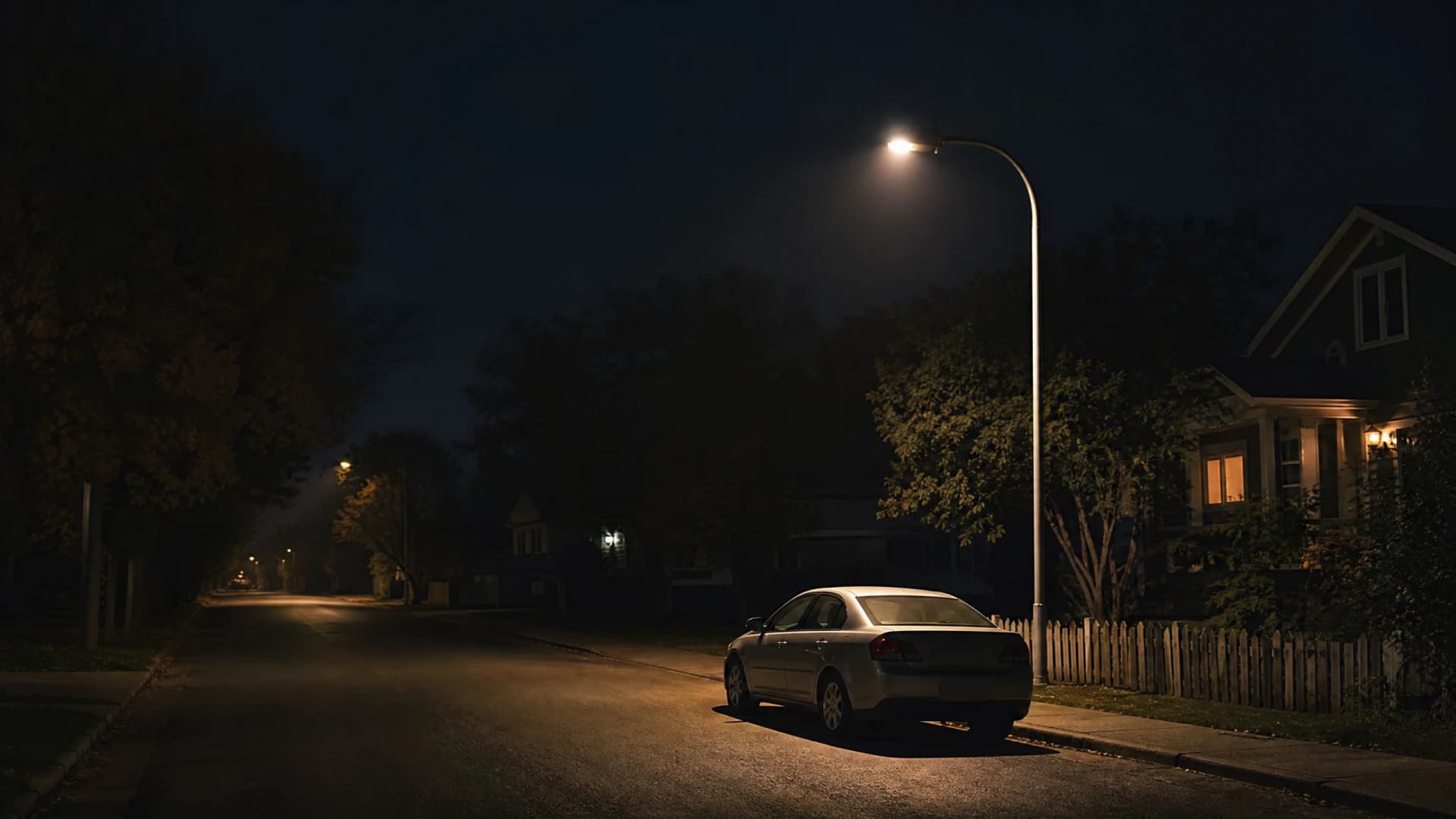
New Hampshire doesn't mandate insurance for most drivers, but 15 carriers write multi-car policies in the state—and the cheapest one depends on whether you're filing an SR-22 or insuring voluntarily.
Related Articles





Multi-Car Discount Structure and Same-Policy Requirements
The multi-car discount applies when you insure two or more vehicles on the same policy. The discount is not a flat percentage—it varies by carrier, by the number of vehicles, and by the base premium each vehicle would carry individually. A carrier advertising a large multi-car discount on a high base rate can cost more than a carrier with a smaller discount on a lower base. The only way to know which carrier is cheapest for your household is to quote the full policy with all vehicles included.
Most carriers require every vehicle on the multi-car policy to be garaged at the same address and titled to members of the same household. If one vehicle is titled to someone outside the household—an adult child living elsewhere, a parent who moved out—that vehicle typically cannot sit on the same policy, and the multi-car discount does not apply to it. Some carriers allow exceptions for college students temporarily living away from home, but the vehicle must still be titled to a household member and listed as garaged at the family address during breaks.
Adding a vehicle mid-term re-rates the entire policy. The multi-car discount recalculates based on the new vehicle count, and the premium adjusts immediately. Removing a vehicle works the same way—the discount shrinks, and the per-vehicle cost for the remaining cars often rises. If you're adding or removing a vehicle, ask the carrier to quote the new total premium before you finalize the change. The per-vehicle cost after the change is not always proportional to the cost before it.
10%
New Hampshire Uninsured Motorist Rate
Ten percent of New Hampshire motorists drive uninsured. That rate is higher than the national average and reflects the state's financial-responsibility system—drivers who can demonstrate financial responsibility another way are not required to carry coverage. Uninsured-motorist coverage protects you when an at-fault driver has no insurance and cannot pay for the damage they cause.
Insurance Information Institute, 2023
Uninsured Motorist Coverage and Personal Injury Protection Requirements
New Hampshire requires carriers to offer uninsured-motorist coverage and personal-injury-protection coverage with every liability policy. You can decline both, but the carrier must offer them, and you must reject them in writing. Given that ten percent of New Hampshire drivers are uninsured, declining uninsured-motorist coverage means accepting the risk that an at-fault driver cannot pay for your vehicle damage or medical bills after an accident they cause.
Uninsured-motorist coverage costs less than collision or comprehensive coverage and applies when the at-fault driver has no insurance or insufficient coverage to pay your claim. For multi-car households, uninsured-motorist coverage applies per policy, not per vehicle—one uninsured-motorist limit covers all vehicles and all household members listed on the policy. Personal-injury-protection coverage works the same way: one PIP limit covers medical expenses for anyone injured in any vehicle on the policy, regardless of fault. Both coverages add to the total premium, but they're structured as policy-level protections rather than per-vehicle line items.
Compare Carriers That Write Your Household's Vehicles
The cheapest carrier for your household depends on how many vehicles you're insuring, whether any driver must file an SR-22, and which coverage options you choose beyond the state minimums. Quote at least three carriers that write multi-car policies in New Hampshire and confirm they can insure every vehicle and driver in your household. If one driver has an SR-22 requirement, start with Progressive, Geico, National General, Farmers, or Bristol West—all write SR-22 certificates and offer multi-car discounts. If every driver has a clean record and you're insuring voluntarily, add Amica, USAA (if eligible), and Travelers to the comparison.
Request the full policy quote with all vehicles, all drivers, and all coverage selections included. The multi-car discount applies at the policy level, and the total premium is the only number that matters—per-vehicle breakdowns and advertised discount percentages do not tell you which carrier costs less for your household. Compare the total annual or monthly premium, confirm the coverage limits match across quotes, and verify that every vehicle and driver is listed correctly before you choose.
Carriers Writing Multi-Car Policies in New Hampshire
Carriers confirmed to write SR-22 certificates in New Hampshire: Allstate, Bristol West, Farmers, Geico, Liberty Mutual, National General, Progressive, State Farm, The General, and USAA. If your household includes a driver who must file an SR-22, your comparison is limited to those ten. Bristol West and The General specialize in non-standard and high-risk policies; they often quote lower premiums for SR-22 filers than standard-tier carriers, but their base rates for clean-record drivers are higher. Progressive, Geico, and National General write both standard and non-standard policies and can quote competitively for mixed households—one driver with an SR-22, others without violations.
Carriers that do not confirm SR-22 filing capability in New Hampshire: Amica, Auto Club Enterprises, Hartford, Nationwide, and Travelers. These carriers write standard and preferred-tier policies and often offer strong multi-car discounts for clean-record households, but they cannot serve a household with an SR-22 requirement. If every driver in your household has a clean record and you're insuring voluntarily, these five are worth quoting alongside the SR-22-capable carriers. Amica and USAA (military-affiliated only) sit in the preferred tier and typically quote the lowest premiums for low-risk multi-car households, but their underwriting is selective.
Get Your Free Quote
Get My New Hampshire Car Insurance QuoteFrequently Asked Questions
Does New Hampshire require car insurance for multiple vehicles?
New Hampshire does not require most drivers to carry car insurance, even when they own multiple vehicles. The state operates under a financial-responsibility system—you must prove you can pay for damages you cause, but insurance is only one method. Drivers with a DWI, leaving-the-scene violation, or second reckless-operation conviction must carry coverage and file an SR-22 for three years.
Which carriers in New Hampshire offer the best multi-car discounts?
Fifteen carriers write multi-car policies in New Hampshire, but discount size does not determine total cost. A large discount on a high base rate can cost more than a small discount on a lower base. Amica and USAA typically quote the lowest premiums for clean-record households. Progressive, Geico, and National General quote competitively for households with SR-22 requirements. Quote the full policy with all vehicles to compare total cost.
Can I insure two cars on different policies in New Hampshire?
You can insure two cars on separate policies, but you lose the multi-car discount. The multi-car discount applies only when all vehicles sit on the same policy, garaged at the same address, and titled to household members. Splitting vehicles across two policies raises the combined premium compared to one policy covering both cars.
What happens if I add a third vehicle to my New Hampshire policy?
Adding a third vehicle re-rates the entire policy immediately. The multi-car discount recalculates based on the new vehicle count, and the premium adjusts. The per-vehicle cost after adding the third car is not always proportional to the two-car cost. Ask the carrier to quote the new total premium before you finalize the addition.
Do I need uninsured motorist coverage for multiple cars in New Hampshire?
New Hampshire requires carriers to offer uninsured-motorist coverage, but you can decline it in writing. Ten percent of New Hampshire drivers are uninsured. Uninsured-motorist coverage applies per policy, not per vehicle—one limit covers all vehicles and all household members. Declining it means accepting the risk that an at-fault uninsured driver cannot pay your claim.