
Car Insurance Rates — New Hampshire
Free to compare
New Hampshire's Financial Responsibility System
New Hampshire is the only state in the continental U.S. that does not require most drivers to carry liability insurance. You can legally register and drive a vehicle without buying a policy, as long as you can prove financial responsibility if asked. That means you either carry insurance voluntarily, post a bond, or demonstrate assets sufficient to cover damages you might cause. Most drivers choose insurance because few can post the bond or prove assets on demand.
The state does require coverage after certain violations: any DWI, leaving the scene of an accident, or a second reckless-operation offense triggers a three-year SR-22 filing requirement under RSA 265-A:28. Once the SR-22 requirement is in place, you must carry continuous coverage meeting the state minimums or face suspension. Outside those triggers, the decision to buy insurance is yours — but driving without it means you personally cover all damages if you cause an accident, and the other driver's uninsured-motorist coverage will pursue you directly.
“New Hampshire's no-mandate rule creates a rate paradox: one in ten drivers carries no coverage, shifting collision risk to insured drivers.”

Check Your Rate Against Other New Hampshire Drivers
Get My New Hampshire Car Insurance Quote$25,000 / $50,000 / $25,000
New Hampshire Minimum Liability Limits
Bodily injury per person, bodily injury per accident, and property damage per accident. These minimums apply when you carry or are required to carry coverage. New Hampshire also mandates uninsured motorist coverage and personal injury protection on every policy written in the state.
New Hampshire Department of Safety
When You Must Carry Coverage
If you've been convicted of DWI, left the scene of an accident, or received a second reckless-operation offense, the state requires you to file an SR-22 certificate and maintain continuous liability coverage for three years. The SR-22 is not insurance — it's a certificate your carrier files with the New Hampshire DMV proving you carry at least the state minimums. If your policy lapses or cancels during the three-year period, the carrier notifies the DMV and your license suspends immediately.
Outside those violations, you're not required to carry insurance, but you are required to prove financial responsibility if the DMV or a court asks. That proof can be a bond, a certificate of deposit, or documented assets. Most drivers cannot produce that proof on short notice, so they carry insurance voluntarily. If you cause an accident without insurance and cannot prove financial responsibility, the state suspends your license and registration until you pay all damages and file proof of future responsibility.
New Hampshire also requires coverage if you finance a vehicle. Lenders universally require comprehensive and collision coverage to protect their interest, so financed drivers carry full coverage regardless of the state's no-mandate rule. Once the loan is paid off, you can drop physical-damage coverage and return to the financial-responsibility framework — or keep the policy if the asset is worth protecting.
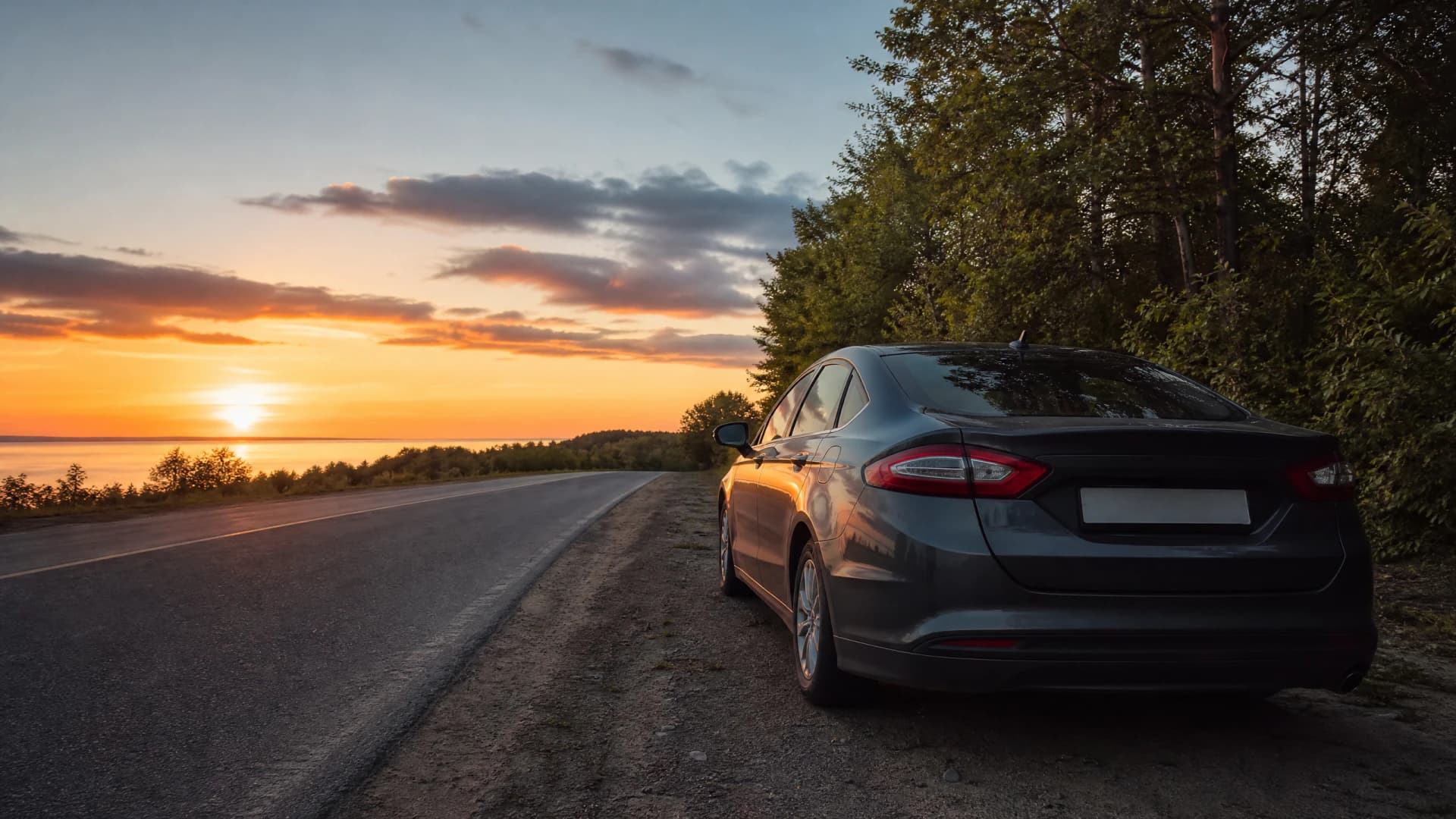
The no-mandate rule creates a rate paradox: New Hampshire's uninsured-motorist rate is 10%, meaning one in ten drivers on the road carries no coverage and no bond, shifting collision risk to insured drivers.




Comparing Carriers in New Hampshire
Fifteen major carriers write policies in New Hampshire, and rate spreads between them are wide. State Farm, USAA, and Amica typically offer the lowest rates for preferred-tier drivers with clean records and good credit. Geico, Progressive, and Allstate compete aggressively in the standard tier, where most drivers with one or two minor violations land. Farmers, National General, Bristol West, and The General write non-standard policies for drivers with DWI convictions, multiple at-fault accidents, or suspended licenses.
If you're required to file an SR-22, your carrier options narrow. Geico, Progressive, State Farm, Allstate, Farmers, National General, Bristol West, The General, and USAA all file SR-22 certificates in New Hampshire. Liberty Mutual writes SR-22 policies but does not explicitly confirm non-owner SR-22 availability. Amica, Hartford, Nationwide, Travelers, and Auto Club Enterprises do not confirm SR-22 filing capability in their public documentation, so if you need an SR-22, start your comparison with the carriers that explicitly file them.
Non-owner SR-22 policies cover you when you drive a vehicle you don't own — a roommate's car, a rental, or a borrowed vehicle. Geico, Progressive, Farmers, National General, Bristol West, The General, USAA, and Travelers all write non-owner policies in New Hampshire. If you don't own a vehicle but need to maintain an SR-22 to keep your license valid, a non-owner policy is the most cost-effective path. Rates for non-owner SR-22 policies are lower than standard policies because the carrier assumes you drive infrequently, but the SR-22 filing fee and the high-risk surcharge still apply.
$82/mo
New Hampshire Benchmark Rate
NAIC Auto Insurance Database Report 2023 benchmark for general-audience drivers in New Hampshire. Individual rates vary widely by driving history, vehicle, coverage selections, location, and carrier underwriting. This figure is a statewide average and does not reflect any specific driver's quote.
NAIC Auto Insurance Database Report 2023

Minimum Coverage vs Full Coverage
Minimum coverage in New Hampshire means $25,000 bodily injury per person, $50,000 bodily injury per accident, $25,000 property damage, plus the state-mandated uninsured motorist and personal injury protection coverages. That combination satisfies the financial-responsibility requirement if you're required to carry insurance, but it leaves you exposed if you cause a serious accident. A multi-vehicle collision with injuries can easily exceed $50,000 in medical bills and lost wages, and you're personally liable for every dollar above your policy limit.
Full coverage adds comprehensive and collision to the liability base, protecting your own vehicle against theft, weather damage, vandalism, and collision with another vehicle or object. If you finance your car, your lender requires full coverage. If you own the car outright, the decision depends on the vehicle's value and your ability to replace it out of pocket.
Next Steps
If you're shopping for coverage in New Hampshire, compare quotes from at least three carriers in your tier. Preferred-tier drivers with clean records should start with State Farm, USAA, and Amica. Standard-tier drivers with one or two minor violations should quote Geico, Progressive, and Allstate. Non-standard drivers with DWI convictions or multiple violations should quote Farmers, National General, Bristol West, and The General. If you need an SR-22, filter your comparison to carriers that file them — Geico, Progressive, State Farm, Allstate, Farmers, National General, Bristol West, The General, and USAA all confirm SR-22 capability in New Hampshire.
Request quotes for both minimum liability and full coverage, and compare the premium difference against your vehicle's actual cash value. If the annual collision premium exceeds 10% of the vehicle's value, consider dropping physical-damage coverage and carrying liability only. If you're required to file an SR-22, verify that the carrier files electronically with the New Hampshire DMV — paper filings delay processing and increase the risk of administrative suspension if the filing doesn't reach the DMV before your deadline. Use the comparison tool to see which carriers write your risk profile and coverage needs in New Hampshire.
What Drives Rates in New Hampshire
Carriers price New Hampshire policies around four primary factors: your driving record, your location within the state, the vehicle you're insuring, and your credit score where state law permits its use. A clean record in a rural town with low theft and collision rates produces the lowest premiums. A DWI or at-fault accident in your history moves you into higher-risk tiers, and urban areas like Manchester and Nashua carry higher base rates due to traffic density and theft exposure. The state recorded 64.9 motor vehicle thefts per 100,000 population in 2024, well below the national average, but theft rates vary sharply by county.
New Hampshire mandates uninsured motorist coverage and personal injury protection on every policy, which adds cost compared to states where those coverages are optional. The 10% uninsured-motorist rate means carriers price in the likelihood that you'll file an uninsured-motorist claim, and that cost is distributed across all insured drivers. The state's seat-belt use rate is 75.7%, the lowest in New England, and 27% of traffic fatalities in 2023 involved alcohol impairment. Both figures signal higher injury-claim severity, which carriers reflect in PIP and bodily-injury pricing.
Get Your Free Quote
Get My New Hampshire Car Insurance QuoteFrequently Asked Questions
Do I have to buy car insurance in New Hampshire?
No, unless you've been convicted of DWI, left the scene of an accident, or received a second reckless-operation offense. New Hampshire requires proof of financial responsibility but does not mandate insurance for most drivers. If you cause an accident without insurance, you're personally liable for all damages and the state may suspend your license until you pay and prove future responsibility.
What are the minimum liability limits in New Hampshire?
$25,000 bodily injury per person, $50,000 bodily injury per accident, and $25,000 property damage per accident. New Hampshire also mandates uninsured motorist coverage and personal injury protection on every policy. These minimums apply when you carry or are required to carry coverage.
How long do I have to carry an SR-22 in New Hampshire?
Three years from the date of your DWI conviction, measured from the conviction date, not the filing date. If your policy lapses or cancels during the three-year period, your carrier notifies the DMV and your license suspends immediately. You must maintain continuous coverage for the full three years to satisfy the requirement.
Which carriers file SR-22 certificates in New Hampshire?
Geico, Progressive, State Farm, Allstate, Farmers, National General, Bristol West, The General, and USAA all file SR-22 certificates in New Hampshire. Liberty Mutual writes SR-22 policies but does not confirm non-owner SR-22 availability. If you need an SR-22, start your comparison with carriers that explicitly file them to avoid delays.
What is a non-owner SR-22 policy?
A non-owner SR-22 policy provides liability coverage when you drive a vehicle you don't own — a roommate's car, a rental, or a borrowed vehicle. It satisfies the SR-22 filing requirement without insuring a specific vehicle. Geico, Progressive, Farmers, National General, Bristol West, The General, USAA, and Travelers all write non-owner policies in New Hampshire.
Why are New Hampshire car insurance rates higher than expected for a no-mandate state?
New Hampshire's 10% uninsured-motorist rate and mandatory uninsured-motorist coverage push premiums higher than the no-mandate rule would suggest. Carriers price in the likelihood that you'll file an uninsured-motorist claim, and that cost is distributed across all insured drivers. The state's low seat-belt use rate and high alcohol-impaired fatality rate also increase injury-claim severity.