
Average Car Insurance Premium — New Hampshire
Free to compare
New Hampshire's Optional Insurance System Changes Premium Dynamics
New Hampshire is one of two states that does not require most drivers to carry liability insurance. Instead, the state operates under a financial-responsibility system: you must prove you can pay for damages you cause, but insurance is only one way to meet that requirement. This structural difference shapes how carriers price policies and who buys them.
Because coverage is optional for drivers without violations, New Hampshire's insured pool skews toward drivers who choose coverage voluntarily — typically those with financed vehicles, higher assets to protect, or recent violations that trigger mandatory filing. That self-selection affects how carriers assess risk and set rates. Understanding what drives premiums in this system clarifies whether buying a policy makes financial sense for your household.
“New Hampshire's 10 percent uninsured motorist rate is why uninsured motorist coverage is mandatory on every policy written in the state.”

Check Your Rate Against Other New Hampshire Drivers
Get My New Hampshire Car Insurance Quote$82/mo
New Hampshire Average Monthly Premium
This figure represents the statewide average monthly auto insurance expenditure per insured vehicle, drawn from the NAIC Auto Insurance Database Report 2023. Individual premiums vary widely by driving record, vehicle, coverage selections, and location within the state.
NAIC Auto Insurance Database Report 2023
What New Hampshire Requires When You Do Carry Coverage
When a New Hampshire driver carries liability insurance — whether voluntarily or because a violation triggered a mandatory filing — the policy must meet minimum liability limits of $25,000 per person for bodily injury, $50,000 per accident for bodily injury, and $25,000 for property damage. The state also mandates uninsured motorist coverage and personal injury protection on every policy written.
These mandatory coverages add cost compared to states that require only liability. Personal injury protection covers your own medical expenses regardless of fault, and uninsured motorist coverage protects you when hit by one of the 10 percent of New Hampshire drivers who carry no insurance. Both are non-negotiable: carriers cannot sell you a policy without them.
Drivers who finance or lease a vehicle face additional requirements from their lender, typically full coverage including collision and comprehensive. That combination — state-mandated liability, PIP, and uninsured motorist coverage plus lender-required physical damage coverage — drives the total premium for most households insuring financed cars.

New Hampshire's 10 percent uninsured motorist rate is the structural reason uninsured motorist coverage is mandatory — carriers price policies knowing one in ten drivers on the road carries no insurance at all.






How New Hampshire's Financial-Responsibility System Affects Your Decision
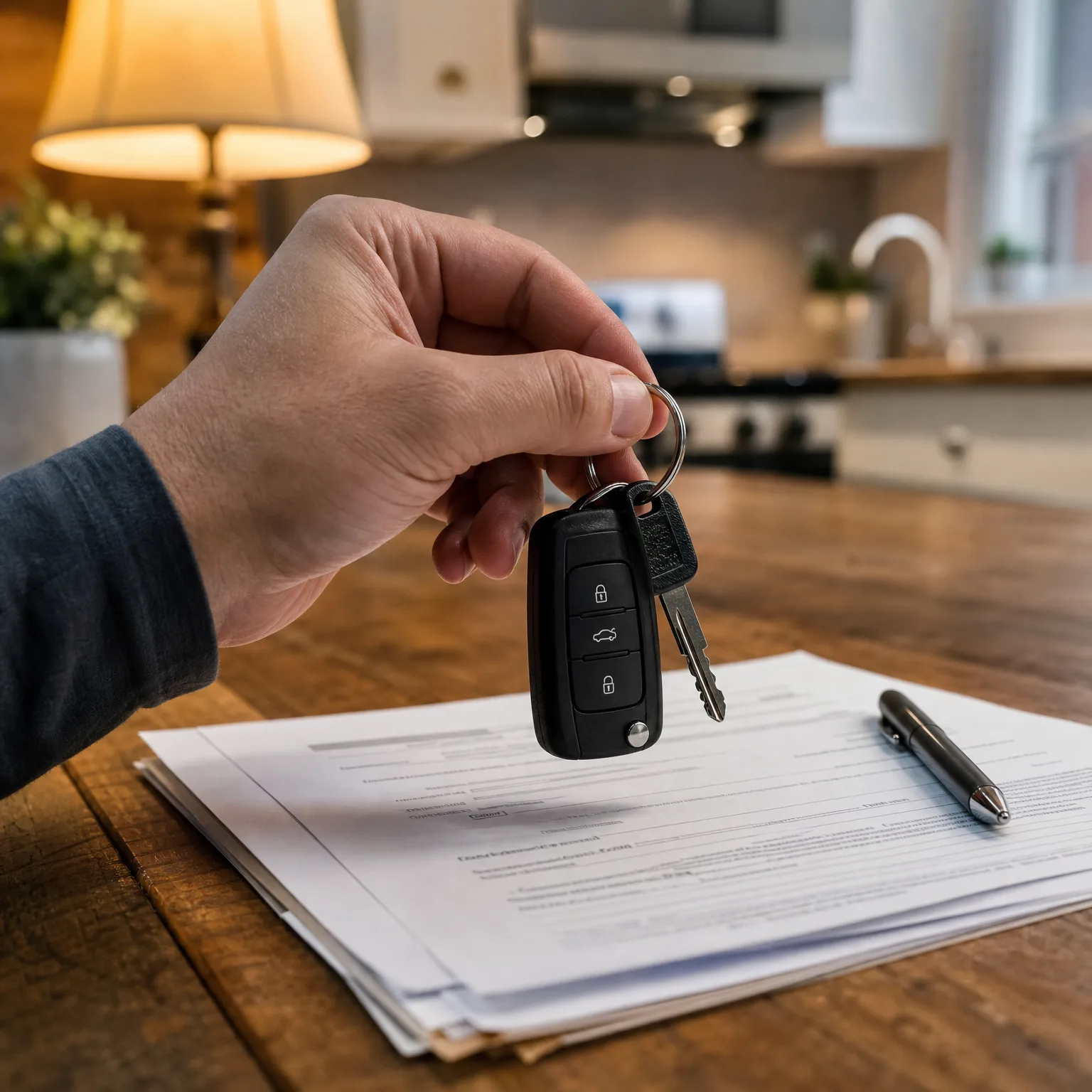
If you own your vehicle outright, carry no recent violations, and have limited assets, New Hampshire law does not require you to buy insurance. You must still prove financial responsibility if you cause an accident — typically by posting a bond or depositing cash with the state — but you can legally drive uninsured until that moment. This creates a cost-benefit calculation: pay premiums now to transfer risk, or self-insure and accept the financial exposure.
Most households choose coverage. The cost of a single at-fault accident — medical bills, vehicle repairs, legal fees — exceeds what most drivers can pay out of pocket. A $25,000 minimum liability policy costs less annually than the first hour of an attorney's time in a serious injury claim. If you finance or lease, your lender mandates coverage regardless of state law, eliminating the choice.
Drivers with violations face a different calculation. A DWI conviction, leaving the scene of an accident, or a second reckless-operation offense triggers mandatory SR-22 filing for three years. You must carry continuous coverage meeting state minimums and file proof with the DMV. A lapse longer than one day restarts the three-year clock. In that scenario, the decision is made for you: coverage is mandatory, and the premium reflects high-risk pricing.
15 carriers
New Hampshire Auto Insurance Market
Fifteen carriers write policies in New Hampshire, including national carriers and regional specialists. Market size matters: more carriers competing for your business creates pricing pressure and gives you leverage to compare. Carriers writing SR-22 policies include State Farm, Geico, Progressive, Farmers, USAA, Liberty Mutual, National General, Bristol West, and The General.
New Hampshire carrier roster, verified via state insurance department filings
When to Compare Carriers and What to Ask
Premiums vary widely by carrier for the same driver profile. One carrier's underwriting model may penalize your age or vehicle heavily while another's does not. The only way to identify the lowest rate for your specific situation is to compare quotes from multiple carriers writing in New Hampshire. Request quotes for identical coverage — same liability limits, same deductibles, same optional coverages — so you compare apples to apples.
If you carry a violation that requires SR-22 filing, confirm the carrier writes SR-22 policies in New Hampshire before requesting a quote. Nine carriers in the state write SR-22: State Farm, Geico, Progressive, Farmers, USAA, Liberty Mutual, National General, Bristol West, and The General. Not every carrier writes high-risk policies, and requesting a quote from one that does not wastes time. Ask whether the carrier offers a non-owner SR-22 policy if you do not own a vehicle but need to maintain filing to reinstate your license.
Compare New Hampshire Carriers Now
New Hampshire's optional-insurance system gives you flexibility, but most households benefit from transferring risk to a carrier rather than self-insuring. The cost of a single at-fault accident exceeds what most drivers can pay, and mandatory uninsured motorist coverage protects you against the 10 percent of drivers who carry no insurance. If you finance or lease, or if a violation triggered mandatory SR-22 filing, coverage is required regardless of state law. Compare quotes from carriers writing in New Hampshire to identify the lowest rate for your driving record, vehicle, and coverage needs. Fifteen carriers compete for your business — use that competition to your advantage.
What Drives Premium Differences in New Hampshire
Your driving record is the most direct cost driver. A clean record with no at-fault accidents or violations qualifies you for the lowest rates. A single at-fault accident typically raises your premium for three to five years. Violations that trigger SR-22 filing — DWI, leaving the scene of an accident, or a second reckless-operation offense — push you into high-risk pricing and require continuous coverage for three years. Carriers writing SR-22 policies include State Farm, Geico, Progressive, Farmers, USAA, Liberty Mutual, National General, Bristol West, and The General.
Location within New Hampshire affects rates. Urban areas with higher traffic density and theft rates — Manchester, Nashua, Concord — produce higher premiums than rural counties. Carriers analyze claim frequency and severity by ZIP code, and those patterns drive geographic pricing tiers. Your vehicle's make, model, year, and safety features also matter: a car with high theft rates or expensive repair costs raises your premium, while vehicles with strong crash-test ratings and anti-theft systems lower it. Coverage selections — your liability limits, deductibles, and whether you carry collision and comprehensive — determine the final premium. Higher limits and lower deductibles cost more but provide broader protection.
Get Your Free Quote
Get My New Hampshire Car Insurance QuoteFrequently Asked Questions
Does New Hampshire require car insurance?
New Hampshire does not require most drivers to carry car insurance. The state operates under a financial-responsibility system: you must prove you can pay for damages you cause, but insurance is only one way to meet that requirement. Drivers with certain violations — DWI, leaving the scene of an accident, or a second reckless-operation offense — must carry coverage and file SR-22 proof with the DMV for three years.
What are New Hampshire's minimum liability limits?
When a New Hampshire driver carries liability insurance, the policy must meet minimum limits of $25,000 per person for bodily injury, $50,000 per accident for bodily injury, and $25,000 for property damage. The state also mandates uninsured motorist coverage and personal injury protection on every policy. These minimums apply whether you carry coverage voluntarily or because a violation triggered mandatory filing.
How much does car insurance cost in New Hampshire?
Premiums vary widely by driving record, vehicle, coverage selections, and location within the state. Your driving record is the most direct cost driver: a clean record qualifies you for the lowest rates, while violations that trigger SR-22 filing push you into high-risk pricing. Location matters: urban areas like Manchester and Nashua produce higher premiums than rural counties. Compare quotes from multiple carriers to identify the lowest rate for your specific situation.
What is SR-22 filing in New Hampshire?
SR-22 is a certificate your insurance carrier files with the New Hampshire DMV proving you carry continuous coverage meeting state minimums. The state requires SR-22 filing for three years after a DWI conviction, leaving the scene of an accident, or a second reckless-operation offense. A lapse longer than one day restarts the three-year clock. Nine carriers write SR-22 policies in New Hampshire: State Farm, Geico, Progressive, Farmers, USAA, Liberty Mutual, National General, Bristol West, and The General.
Why does New Hampshire mandate uninsured motorist coverage?
New Hampshire mandates uninsured motorist coverage because 10 percent of drivers in the state carry no insurance. Uninsured motorist coverage protects you when hit by one of those drivers: it pays your medical bills and vehicle repairs when the at-fault driver has no policy. The coverage is mandatory on every policy written in New Hampshire, regardless of your own driving record or vehicle.
Can I drive without insurance in New Hampshire if I own my car outright?
Yes, if you own your vehicle outright, carry no recent violations, and have not been ordered by a court to carry coverage. New Hampshire law does not require you to buy insurance in that scenario, but you must still prove financial responsibility if you cause an accident — typically by posting a bond or depositing cash with the state. Most households choose coverage because the cost of a single at-fault accident exceeds what most drivers can pay out of pocket.