
Liability Coverage Limits — New Hampshire
Free to compare
When You Choose Coverage in a State That Doesn't Require It
You own two or three cars. New Hampshire doesn't require you to insure them. But you're comparing policies anyway, because driving uninsured means you pay out of pocket when you cause an accident—and a single collision can wipe out savings faster than any premium ever would. The question isn't whether to carry coverage. It's how much liability protection makes sense when you're covering multiple vehicles and the decision is entirely yours.
New Hampshire operates as a financial-responsibility state. Most drivers aren't required to buy insurance, but they must prove they can pay for damage they cause. When you do carry a policy—voluntarily or because a past violation requires it—the state's minimum liability limits are $25,000 per person for bodily injury, $50,000 per accident, and $25,000 for property damage. Those minimums apply to every vehicle on your policy. The structure you choose protects every car you own, every driver in your household, and every asset you've built.
“State minimums protect the other driver's first $25,000 of medical bills. Your household's savings and home equity pay everything above that.”

Check Your Rate Against Other New Hampshire Drivers
Get My New Hampshire Car Insurance Quote$25,000 / $50,000 / $25,000
New Hampshire Liability Minimums
These limits apply per accident when you carry coverage: $25,000 per person injured, $50,000 total per accident for bodily injury, and $25,000 for property damage. They're the floor, not a recommendation.
New Hampshire state minimum liability requirements
Why State Minimums Don't Scale to Multi-Car Households
The 25/50/25 minimums were set decades ago. A single trip to the emergency room after a moderate collision can exceed $25,000. Repairing a totaled SUV or pickup can push past the $25,000 property-damage cap. When you cause an accident that injures two people and damages two vehicles, you can blow through all three limits in one claim. The minimums cover the legal floor. They don't cover the actual cost of a serious accident.
Multi-car households face compounded exposure. You're insuring two, three, or four vehicles. Each one is on the road daily—commuting, running errands, driving kids to school. Every trip is a separate chance for a collision. The more vehicles you own, the more often your household is exposed to liability. Minimum limits spread thin when the household's total exposure grows.
Your policy's liability limits apply per accident, not per vehicle. If your teenager causes a three-car pileup while driving one of your household's cars, the $50,000 bodily-injury cap applies to that single accident—regardless of how many vehicles sit on your policy. The structure protects the household, not individual cars. That's why choosing limits based on your total assets, not your vehicle count, is the correct frame.
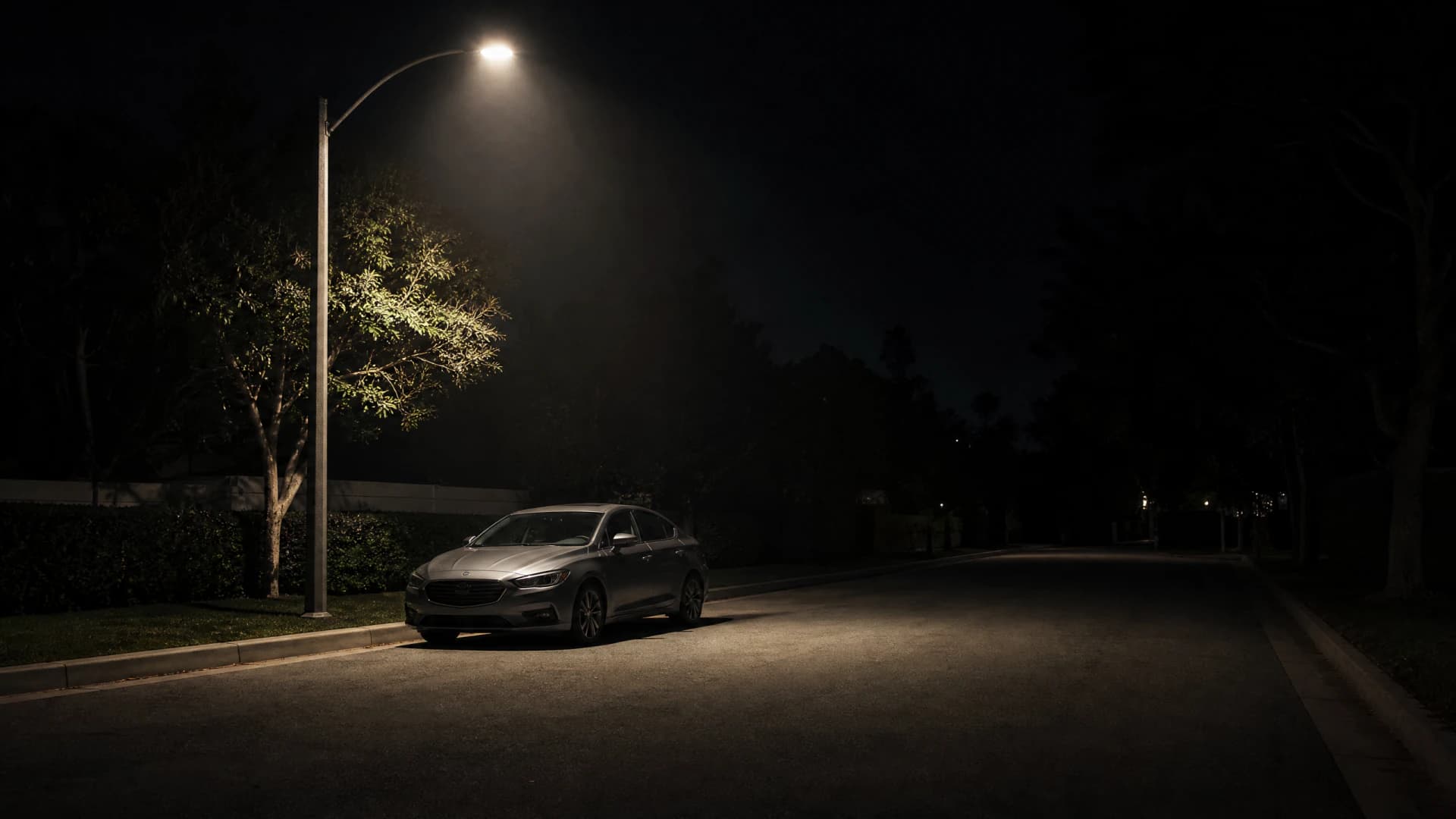
State minimums protect the other driver's first $25,000 of medical bills. Your household's savings, home equity, and future wages pay everything above that.
Related Articles






How Multi-Car Policies Spread Liability Across Vehicles
When you insure multiple vehicles on one policy, the liability limits apply to any covered driver operating any covered vehicle. Your teenager drives your sedan. Your spouse drives the SUV. You drive the pickup. All three vehicles share the same liability ceiling. If any driver causes an accident in any vehicle, the policy's limits apply to that single event. The structure is household-wide, not vehicle-specific.
This is why splitting vehicles across separate policies doesn't increase your liability protection. Two cars on two policies, each carrying 25/50/25, still leave you with $50,000 in bodily-injury coverage per accident—because only one vehicle is involved in any single collision. The multi-car structure is more efficient.
New Hampshire requires uninsured-motorist coverage and personal-injury protection when you carry liability insurance. UM coverage protects you when someone without insurance hits you. PIP covers your own medical bills regardless of fault. Both are mandatory add-ons to any liability policy in this state, and both apply per accident across your household's vehicles. Structuring your liability limits correctly ensures these coverages scale with your actual risk.
10%
New Hampshire Uninsured Motorist Rate
One in ten drivers in New Hampshire operates without insurance. Your uninsured-motorist coverage is the only protection you have when one of them causes an accident that injures you or damages your vehicles.
New Hampshire state insurance statistics, 2023

When Higher Limits Cost Less Than the Risk They Eliminate
Increasing liability limits from 25/50/25 to 100/300/100 typically adds a modest amount per month to a multi-car policy. The incremental cost is small because the increased coverage applies to low-probability, high-severity events—accidents serious enough to exceed the lower limits. Insurers price that risk at the margin, not at the total. The protection you gain—shielding your home equity, your savings, and your future income from a judgment—is worth multiples of the premium difference.
But they require you to carry a minimum underlying limit, usually 250/500 or 300/500, before the umbrella activates. If your household's assets justify umbrella coverage, your auto liability limits must be high enough to support it.
Compare Carriers That Write Multi-Car Policies in New Hampshire
Fifteen carriers write multi-car policies in New Hampshire: Allstate, Amica, Auto Club Enterprises, Bristol West, Farmers, Geico, Hartford, Liberty Mutual, National General, Nationwide, Progressive, State Farm, The General, Travelers, and USAA. Each prices liability limits differently. The carrier offering the lowest premium at state minimums may not offer the best rate at 100/300/100 or 250/500/250. Multi-car households benefit from comparing quotes at the limits that match their assets, not at the minimums.
When you request quotes, specify the same liability limits across all carriers. Ask for 100/300/100, 250/500/250, and 500/500/500 quotes if your assets justify higher limits. Compare the incremental cost of each step. Some carriers price the jump from minimums to 100/300/100 aggressively to win multi-car business. Others price higher limits more competitively than lower ones. The only way to know is to compare the same structure across the full roster.
How to Choose Limits That Match Your Household's Assets
Start with your household's total liquid and semi-liquid assets: savings accounts, investment accounts, home equity, and any other asset a court judgment could attach. Add the value of future income a wage garnishment could reach. That total is your exposure. Your liability limits should meet or exceed it. A single serious accident can reach all of it.
Common limit structures for multi-car households: 100/300/100 covers most moderate-asset households and costs meaningfully less than the risk it eliminates. 250/500/250 fits households with significant home equity or retirement savings. 500/500/500 is appropriate when your assets exceed half a million or when your household includes young drivers whose risk profile is higher. Each step up in limits costs less per month than the incremental protection it adds, because insurers price the increased coverage at the marginal risk, not the total risk.
Get Your Free Quote
Get My New Hampshire Car Insurance QuoteFrequently Asked Questions
Do I have to carry liability insurance in New Hampshire if I own multiple cars?
No. New Hampshire doesn't require most drivers to carry insurance, even if you own multiple vehicles. You must prove financial responsibility if you cause an accident, but insurance is optional unless a past violation requires it. Most multi-car households carry coverage voluntarily because paying out of pocket for a serious accident costs more than any premium.
What happens if I cause an accident in New Hampshire without insurance?
You pay all damages out of pocket: medical bills for everyone injured, repair costs for every vehicle damaged, and legal fees if you're sued. If you can't pay, the state suspends your license and registration until you settle the claim or prove future financial responsibility.
Do liability limits apply to each car on my policy or to each accident?
Limits apply per accident, not per vehicle. The structure protects your household across all covered vehicles, not each car individually.
How much does it cost to increase liability limits on a multi-car policy in New Hampshire?
The incremental cost varies by carrier, but increasing from state minimums to 100/300/100 typically adds a modest monthly amount per vehicle. Higher limits cost less than the risk they eliminate because they only pay in serious accidents. Compare quotes at multiple limit levels to see the actual difference for your household.
Should I carry the same liability limits on every vehicle I own?
Yes. Liability limits apply per accident, not per vehicle, so splitting limits across vehicles doesn't increase your protection. One policy covering all your vehicles with the same high limits is more efficient and less expensive than multiple policies with lower limits.
What liability limits do I need to qualify for umbrella insurance in New Hampshire?
Most umbrella policies require underlying auto liability limits of at least 250/500 or 300/500 before the umbrella coverage activates. If your household's assets justify umbrella protection, your auto policy must carry limits high enough to meet that threshold.