
Multi-Vehicle Coverage Requirements — New Hampshire
Free to compare
When Multi-Vehicle Households Must Carry Coverage
You own three vehicles and just learned that New Hampshire doesn't require car insurance. That's true for most drivers, but households with multiple cars face a different reality: once you choose to carry coverage on any vehicle, proof-of-financial-responsibility rules apply across your entire household in ways that single-car owners never encounter.
New Hampshire operates under a financial-responsibility model rather than mandatory insurance. Most drivers can legally register and operate vehicles without buying a policy, but specific violations — DWI convictions, leaving the scene of an accident, or a second reckless-operation offense — trigger mandatory SR-22 filing for three years. When that filing requirement hits one driver in a multi-vehicle household, every car that driver operates must be covered under a policy that carries the SR-22 certificate, and the coverage must meet state minimum liability limits of $25,000 per person, $50,000 per accident for bodily injury, and $25,000 for property damage.
“New Hampshire lets you own uninsured cars, but the instant you drive one, you must prove financial responsibility — and most households can't do that without a policy.”
Check Your Rate Against Other New Hampshire Drivers
Get My New Hampshire Car Insurance Quote$25,000 / $50,000 / $25,000
New Hampshire Minimum Liability Limits
These limits apply when a driver chooses to carry coverage or is required to file SR-22. Personal injury protection and uninsured motorist coverage are also required when a policy is purchased.
New Hampshire Department of Safety
The Multi-Policy Trap Most Households Miss
Here's the structural confusion: New Hampshire allows you to register vehicles without insurance, but if you buy a policy for one car and leave the others uninsured, you create a proof problem the moment you drive an uninsured vehicle. The state's financial-responsibility statute doesn't care whether you own one car or five — it cares whether you can demonstrate financial responsibility for any vehicle you operate.
Multi-vehicle households often assume they can insure the daily driver and leave a second or third car uninsured until it's driven regularly. That works only if the uninsured vehicles are never operated by anyone in the household. The instant you or a household member drives an uninsured car, you must be able to prove financial responsibility, and most households cannot meet that threshold without insurance. The alternative — posting a $50,000 bond or depositing cash with the state treasurer — is impractical for nearly everyone.
The structural reality: if you're going to drive multiple vehicles, you need coverage on all of them, or you need to keep the uninsured ones off the road entirely. There's no middle ground where you insure one and casually drive the others.
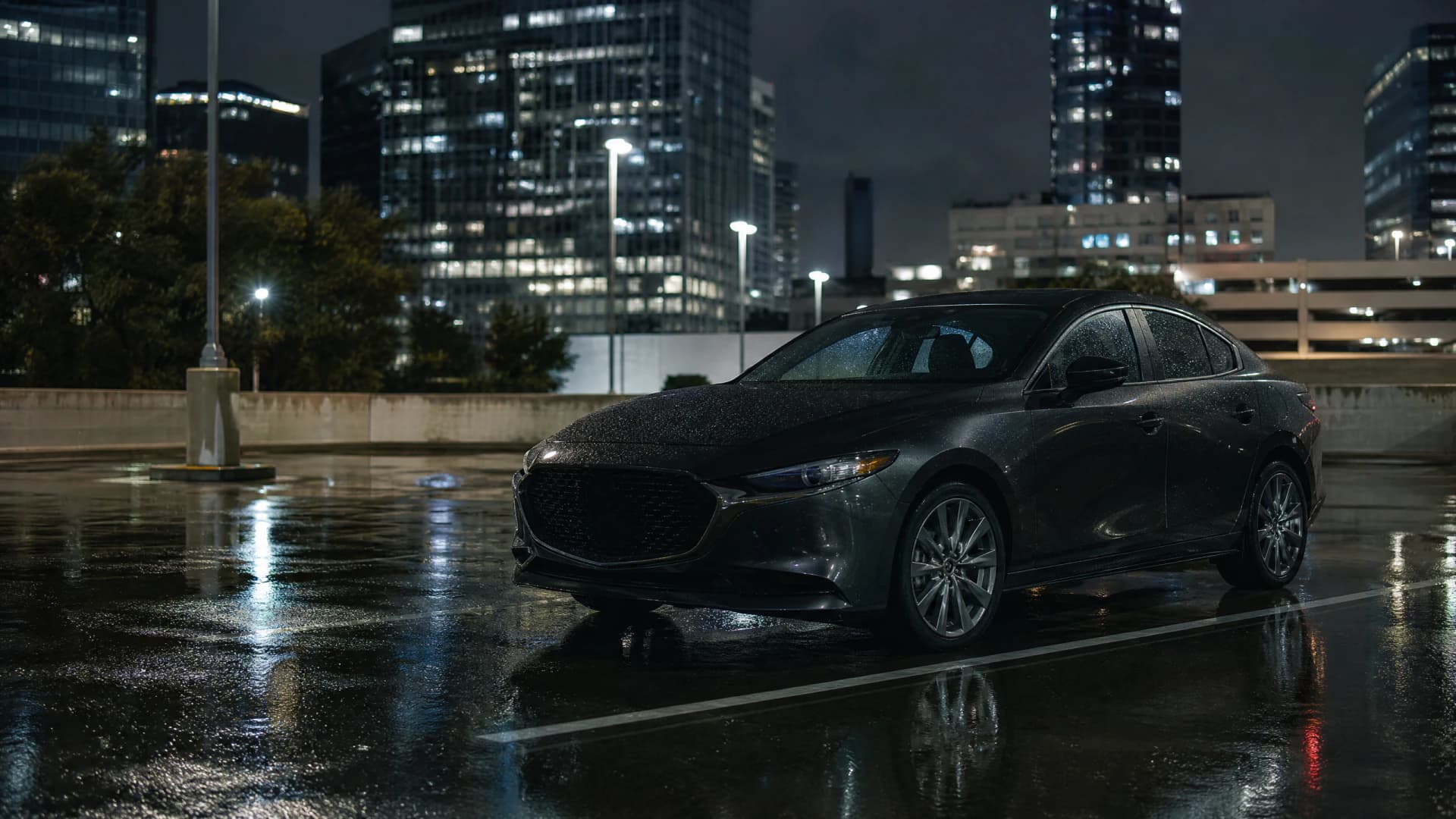
New Hampshire lets you own uninsured vehicles, but operating one without proof of financial responsibility exposes you to penalties the moment an accident or traffic stop occurs.
Related Articles





State-Specific Coverage Requirements for Insured Vehicles
Once you buy a policy in New Hampshire, the state mandates specific coverages beyond basic liability. Personal injury protection covers medical expenses and lost wages for you and your passengers regardless of fault, and uninsured motorist coverage protects you when the at-fault driver has no insurance — a real concern in a state where 10 percent of motorists are uninsured. Both coverages are required by law the moment you purchase a policy, and they apply to every vehicle listed on that policy.
For multi-vehicle households, this means you cannot buy liability-only coverage for one car and full coverage for another on the same policy. The PIP and uninsured motorist requirements apply uniformly across every vehicle. You can, however, choose different collision and comprehensive deductibles for each car.
The SR-22 filing requirement, when it applies, adds another layer. If one driver in the household is required to file SR-22, that driver must be listed on a policy that meets state minimum liability limits, and the SR-22 certificate must be filed by the carrier with the New Hampshire DMV. The filing lasts three years from the conviction date. During that period, any lapse in coverage triggers an automatic license suspension, and the three-year clock resets. Multi-vehicle households where one driver carries an SR-22 requirement must ensure that driver is listed on the policy covering every vehicle they operate.
10%
New Hampshire Uninsured Motorist Rate
One in ten drivers on New Hampshire roads carries no insurance, making uninsured motorist coverage critical for households with multiple vehicles exposed to higher collision probability.
Insurance Information Institute, 2023

Adding and Removing Vehicles Mid-Term
When you buy a new vehicle or sell one, the policy must be updated immediately. Most carriers provide a grace period — typically 14 to 30 days — during which a newly-acquired vehicle is automatically covered under your existing policy's broadest coverage. After that window closes, the new vehicle must be formally added, or coverage does not apply. For multi-vehicle households, missing that deadline on one car can leave you with a coverage gap that affects the entire policy's proof status.
Removing a vehicle works in reverse: when you sell or junk a car, notify the carrier immediately to remove it from the policy. Keeping a sold vehicle on the policy wastes premium dollars, but more importantly, it can create confusion if that vehicle is later involved in an accident under new ownership and your policy is still listed as active coverage. Multi-vehicle households that frequently rotate cars — buying, selling, or transferring vehicles between family members — need a clear process for updating the policy every time a change occurs.
Compare Carriers That Write Multi-Vehicle Policies
New Hampshire's financial-responsibility model gives you flexibility, but once you decide to insure multiple vehicles, the structure and cost depend entirely on the carrier you choose. Fifteen carriers write multi-vehicle policies in the state, including Allstate, Geico, Progressive, State Farm, Farmers, National General, and USAA. Each structures the multi-car discount differently, and each applies different underwriting rules to households with multiple drivers and vehicles.
Start by listing every vehicle you need to insure and every driver in the household. Request quotes that include the state-required PIP and uninsured motorist coverages, and compare both the total premium and the per-vehicle cost. A smaller discount on a lower base rate can beat a larger discount on a higher one. If one driver in the household has a DWI conviction or other violation requiring SR-22 filing, confirm that the carrier writes SR-22 policies and ask how the filing affects the household's total premium. Carriers including Bristol West, The General, and National General specialize in high-risk and SR-22 coverage, and may offer better rates for multi-vehicle households where one driver carries a filing requirement.
How Multi-Car Policies Work in New Hampshire
A multi-car policy lists every vehicle the household operates on a single policy document. Each car is rated separately based on its use, garaging location, and the drivers assigned to it, but the policy itself is one contract. That matters for proof of financial responsibility: when you're pulled over or involved in an accident, you present one insurance card that covers every vehicle on the policy. Carriers including Geico, Progressive, State Farm, Farmers, and National General write multi-vehicle policies in New Hampshire, and most offer a multi-car discount when you insure two or more vehicles under the same policy number.
The discount structure varies by carrier, but the mechanism is consistent: the more vehicles you add, the lower the per-vehicle cost becomes, because the carrier spreads administrative overhead across multiple cars. That discount applies only when every vehicle is on the same policy. If you split your household's cars across two separate policies — one for your daily driver, one for your spouse's car — you lose the multi-car discount on both policies, even if both are with the same carrier.
Get Your Free Quote
Get My New Hampshire Car Insurance QuoteFrequently Asked Questions
Does New Hampshire require car insurance for all drivers?
No. New Hampshire does not mandate insurance for most drivers, but you must prove financial responsibility if you operate a vehicle. Most households meet that requirement by buying a policy. Specific violations — DWI, leaving the scene of an accident, or a second reckless-operation offense — trigger mandatory SR-22 filing and coverage for three years.
Can I insure one car and leave my other vehicles uninsured in New Hampshire?
Yes, but only if you never drive the uninsured vehicles. The moment you or a household member operates an uninsured car, you must prove financial responsibility, and most people cannot do that without insurance. Multi-vehicle households that drive all their cars need coverage on all of them.
What coverages are required when I buy a multi-vehicle policy in New Hampshire?
New Hampshire requires personal injury protection and uninsured motorist coverage on every policy. Minimum liability limits are $25,000 per person, $50,000 per accident for bodily injury, and $25,000 for property damage. These requirements apply to every vehicle on the policy.
How does the multi-car discount work in New Hampshire?
The multi-car discount applies when you insure two or more vehicles on the same policy. The discount lowers the per-vehicle cost by spreading administrative overhead across multiple cars. The discount is lost if you split your household's vehicles across separate policies, even with the same carrier.
What happens if I add a new vehicle to my multi-car policy?
Most carriers provide a grace period of 14 to 30 days during which a newly-acquired vehicle is automatically covered under your existing policy's broadest coverage. After that window, the vehicle must be formally added, or coverage does not apply. Notify your carrier immediately when you buy a new car.
Do I need SR-22 filing on every vehicle if one driver in my household has a DWI?
The driver with the SR-22 requirement must be listed on a policy that meets state minimum liability limits, and the SR-22 certificate must be filed with the DMV. That policy must cover every vehicle the SR-22 driver operates. Other household members can drive other vehicles under separate policies without SR-22 filing, but most multi-vehicle households find it simpler to keep everyone on one policy.