
Cheapest Car Insurance Company — New Hampshire
Free to compare
The Question Assumes a Mandate That Doesn't Exist
You're shopping for the cheapest car insurance company in New Hampshire, and every comparison article you've read assumes you're required to buy coverage. New Hampshire doesn't mandate liability insurance for most drivers. You can legally register and drive without buying a policy, as long as you can prove financial responsibility if asked. The cheapest carrier for someone buying coverage voluntarily is not the same as the cheapest for someone required to file proof after a DWI or leaving the scene of an accident.
The structural reality: New Hampshire operates as a financial-responsibility state. Most households buy coverage because lenders require it, because they want protection, or because the cost of self-insuring is prohibitive. But a subset of drivers—those with a DWI, a subsequent reckless operation conviction, or leaving-the-scene violation—are required to file an SR-22 certificate and carry coverage for three years. Those two groups shop different carrier rosters, and the rate leaders differ.
“A carrier that writes the lowest rate for a voluntary two-car policy may not write SR-22 at all, or may price it higher than a competitor whose standard rates are less competitive.”
Check Your Rate Against Other New Hampshire Drivers
Get My New Hampshire Car Insurance Quote$82/mo
New Hampshire Average Monthly Premium
This figure reflects the statewide average for drivers carrying coverage voluntarily, drawn from NAIC data for 2023. It does not include drivers required to file SR-22, who typically pay higher rates due to underwriting classification.
NAIC Auto Insurance Database Report 2023
Two Underwriting Paths Produce Different Rate Leaders
If you're buying coverage voluntarily—no violation, no filing requirement—you're shopping the standard and preferred tiers. State Farm, USAA (military-affiliated households only), and Amica write the most competitive base rates for multi-vehicle households in this tier. These carriers reward clean records and multi-car discounts with lower premiums than the advertised single-car rates suggest.
If you're required to file SR-22 after a DWI or leaving-the-scene conviction, you're shopping a narrower roster. Not every carrier writes SR-22 policies, and those that do classify you as high-risk. Geico, Progressive, National General, and The General write SR-22 in New Hampshire and compete on price in the non-standard tier. The cheapest among them varies by your specific violation, the number of vehicles on the policy, and your county.
The structural blocker: a carrier that writes the lowest rate for a voluntary two-car policy may not write SR-22 at all, or may price it higher than a competitor whose standard rates are less competitive. You cannot compare across tiers without knowing which tier you're shopping.
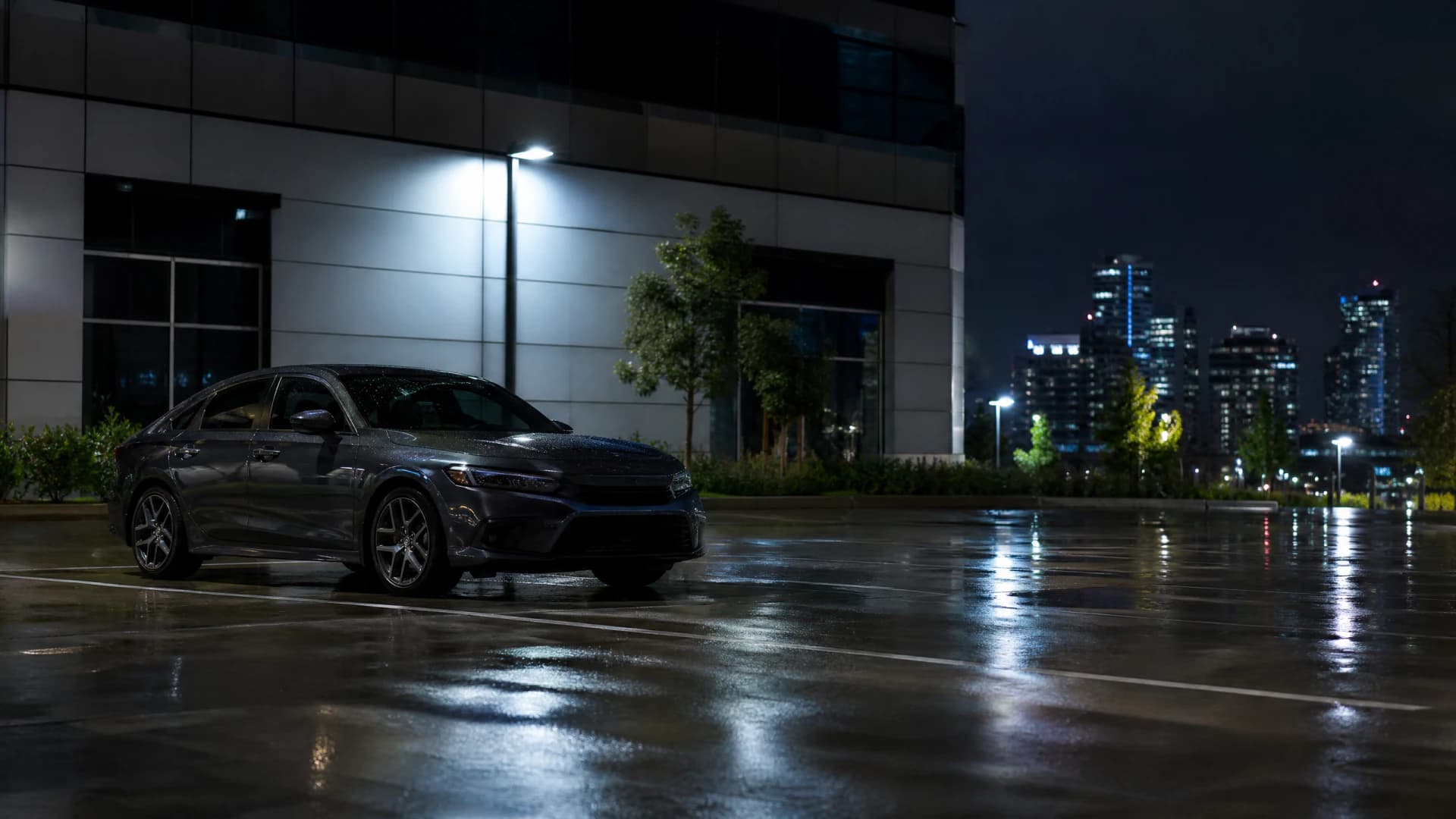
The cheapest carrier for your household depends on whether you're buying coverage voluntarily or required to file SR-22—two different underwriting paths that produce different rate leaders.
Related Articles



State Minimums and What They Cost to Meet
New Hampshire's minimum liability limits are $25,000 per person for bodily injury, $50,000 per accident, and $25,000 for property damage. The state also requires uninsured motorist coverage and personal injury protection when you carry a policy. These minimums apply whether you're buying voluntarily or required to file SR-22.
Meeting the minimums costs less than carrying full coverage, but the gap narrows when you insure multiple vehicles. If either vehicle is financed, the lender requires full coverage, and the minimum-only option disappears.
The cheapest way to meet New Hampshire's requirements for a multi-vehicle household is to carry minimum liability on older, paid-off vehicles and full coverage on financed or newer vehicles. This hybrid approach keeps the premium lower than insuring every car at full coverage, while preserving protection where it's required or most valuable.
10%
New Hampshire Uninsured Motorist Rate
One in ten drivers on New Hampshire roads carries no insurance, despite the state's financial-responsibility requirement. This rate is lower than the national average but high enough that uninsured motorist coverage—mandatory when you carry a policy—provides meaningful protection.
Insurance Research Council, 2023
Why Advertised Rates Don't Predict Your Actual Premium
Advertised rates reflect a single-vehicle policy for a hypothetical driver with a clean record, good credit, and a specific vehicle profile. Your actual premium for two or more vehicles depends on every driver's record, every vehicle's year and model, your garaging address, your credit score (where lawful), and the coverage levels you select. A carrier advertising the lowest single-car rate often prices higher for multi-vehicle households once these variables are factored in.
The multi-car discount reduces the per-vehicle premium, but the base rate matters more than the discount percentage. A carrier offering a 20% multi-car discount on a high base rate will cost more than a carrier offering a 10% discount on a low base rate. Compare the final combined premium after all discounts, not the discount itself.
Compare Carriers That Write Your Household's Profile
The cheapest carrier for your household is the one that writes the lowest combined premium for your specific vehicles, drivers, and coverage needs. If you're buying voluntarily, compare State Farm, Amica, USAA (if eligible), Geico, Progressive, and Allstate. If you're required to file SR-22, compare Geico, Progressive, National General, The General, and Farmers. Request quotes for all vehicles on one policy, with the same coverage levels across carriers, and compare the three-year total cost. The carrier that writes the lowest premium for your exact situation is the cheapest for you, regardless of what it advertises to a generic audience.
How to Identify the Cheapest Carrier for Your Situation
If you're buying coverage voluntarily, start with carriers that write preferred and standard tiers in New Hampshire: State Farm, Amica, USAA (if eligible), Allstate, Geico, and Progressive. Request quotes for all vehicles on one policy. The multi-car discount applies only when every vehicle sits on the same policy, and the discount percentage varies by carrier. A smaller discount on a lower base rate often beats a larger discount on a higher one, so compare the final combined premium, not the discount advertised.
If you're required to file SR-22, narrow the roster to carriers that write SR-22 in New Hampshire: Geico, Progressive, National General, The General, Farmers, Bristol West, and USAA (if eligible). Request quotes that include SR-22 filing. Compare the three-year total cost, not just the first-year premium, because some carriers front-load the surcharge and others spread it evenly.
Get Your Free Quote
Get My New Hampshire Car Insurance QuoteFrequently Asked Questions
Does New Hampshire require car insurance for all drivers?
No. New Hampshire does not mandate liability insurance for most drivers. You can legally register and drive without a policy as long as you can prove financial responsibility if asked. Drivers with certain violations—DWI, leaving the scene of an accident, or subsequent reckless operation—are required to file SR-22 and carry coverage for three years.
Which car insurance company is cheapest in New Hampshire?
The cheapest carrier depends on whether you're buying coverage voluntarily or required to file SR-22. For voluntary coverage, State Farm, Amica, and USAA (military-affiliated only) typically write the lowest rates for multi-vehicle households. For SR-22 filers, Geico, Progressive, National General, and The General compete on price in the non-standard tier.
How much does car insurance cost for two cars in New Hampshire?
The statewide average monthly premium is $82 for a single vehicle, but multi-vehicle households pay less per car due to the multi-car discount. The combined premium for two cars depends on every driver's record, every vehicle's profile, your garaging address, and the coverage levels you select. Compare actual quotes from carriers that write your household's profile.
What are New Hampshire's minimum car insurance requirements?
New Hampshire requires $25,000 per person for bodily injury, $50,000 per accident, and $25,000 for property damage when you carry a policy. The state also mandates uninsured motorist coverage and personal injury protection. These minimums apply whether you're buying voluntarily or required to file SR-22.
Does the multi-car discount apply to all vehicles on one policy?
Yes. The multi-car discount applies only when every vehicle sits on the same policy. A vehicle titled to someone outside the household or on a separate policy does not count toward the discount. The discount percentage varies by carrier, but the final combined premium matters more than the discount itself.
Which carriers write SR-22 in New Hampshire?
Geico, Progressive, National General, The General, Farmers, Bristol West, and USAA (military-affiliated only) write SR-22 policies in New Hampshire. Not every carrier writes SR-22, and those that do classify you as high-risk. Compare quotes from carriers that write SR-22 to find the lowest rate for your situation.