
Best Car Insurance Companies for Minimum Coverage — New Hampshire
Free to compare
New Hampshire's Financial Responsibility Rule Changes the Carrier Landscape
New Hampshire does not require most drivers to carry liability insurance. The state operates under a financial-responsibility system: you must prove you can pay for damages you cause, but insurance is only one way to do that. Most households with multiple vehicles choose to carry coverage anyway, but the absence of a universal mandate means carriers approach minimum-limit policies differently here than in states where everyone must buy.
When you do carry or are required to carry coverage after certain violations, New Hampshire's minimum liability limits are $25,000 bodily injury per person, $50,000 bodily injury per accident, and $25,000 property damage. The state also mandates uninsured motorist coverage and personal injury protection when you buy a policy. Carriers that write minimum coverage for multi-car households fall into two groups: standard-tier insurers that offer bare-minimum policies as a product option, and non-standard carriers built specifically for drivers who need the lowest legal limits.
“Standard-tier carriers apply the multi-car discount to minimum-limit policies, but non-standard carriers price the base rate lower from the start.”

Check Your Rate Against Other New Hampshire Drivers
Get My New Hampshire Car Insurance Quote10%
New Hampshire Uninsured Motorists
One in ten New Hampshire drivers operates without insurance, higher than the national average. This uninsured rate makes the state-mandated uninsured motorist coverage particularly relevant for multi-car households choosing minimum limits.
Insurance Research Council, 2023
Standard-Tier Carriers Writing Minimum Limits for Multiple Vehicles
Standard-tier carriers treat minimum-limit policies as a product tier within their broader book of business. When you insure multiple vehicles with these carriers, the multi-car discount applies to the minimum-limit policy the same way it applies to higher-coverage policies. The discount requires every vehicle to sit on the same policy and typically that they share a garaging address.
State Farm, Allstate, and Geico all write minimum-limit policies in New Hampshire and apply multi-vehicle discounts to households with two or more cars. These carriers quote online and allow you to structure coverage vehicle-by-vehicle: you can carry minimum liability on one car and higher limits on another within the same policy. The multi-car discount percentage is not disclosed publicly, but the same-policy requirement is universal across standard-tier carriers.
Liberty Mutual and Nationwide also write minimum coverage for multi-car households in New Hampshire. Both carriers allow online quoting and both apply multi-vehicle discounts when every car sits on one policy. The advantage of standard-tier carriers is flexibility: you can add or remove vehicles mid-term, adjust coverage levels per vehicle, and combine auto with home or renters insurance for additional bundling discounts.
The tradeoff is base premium. Standard-tier carriers price minimum-limit policies higher than non-standard carriers because their book of business includes lower-risk drivers paying for full coverage. A household with three vehicles on minimum limits will often pay less with a non-standard carrier than with a standard-tier carrier, even after the multi-car discount.
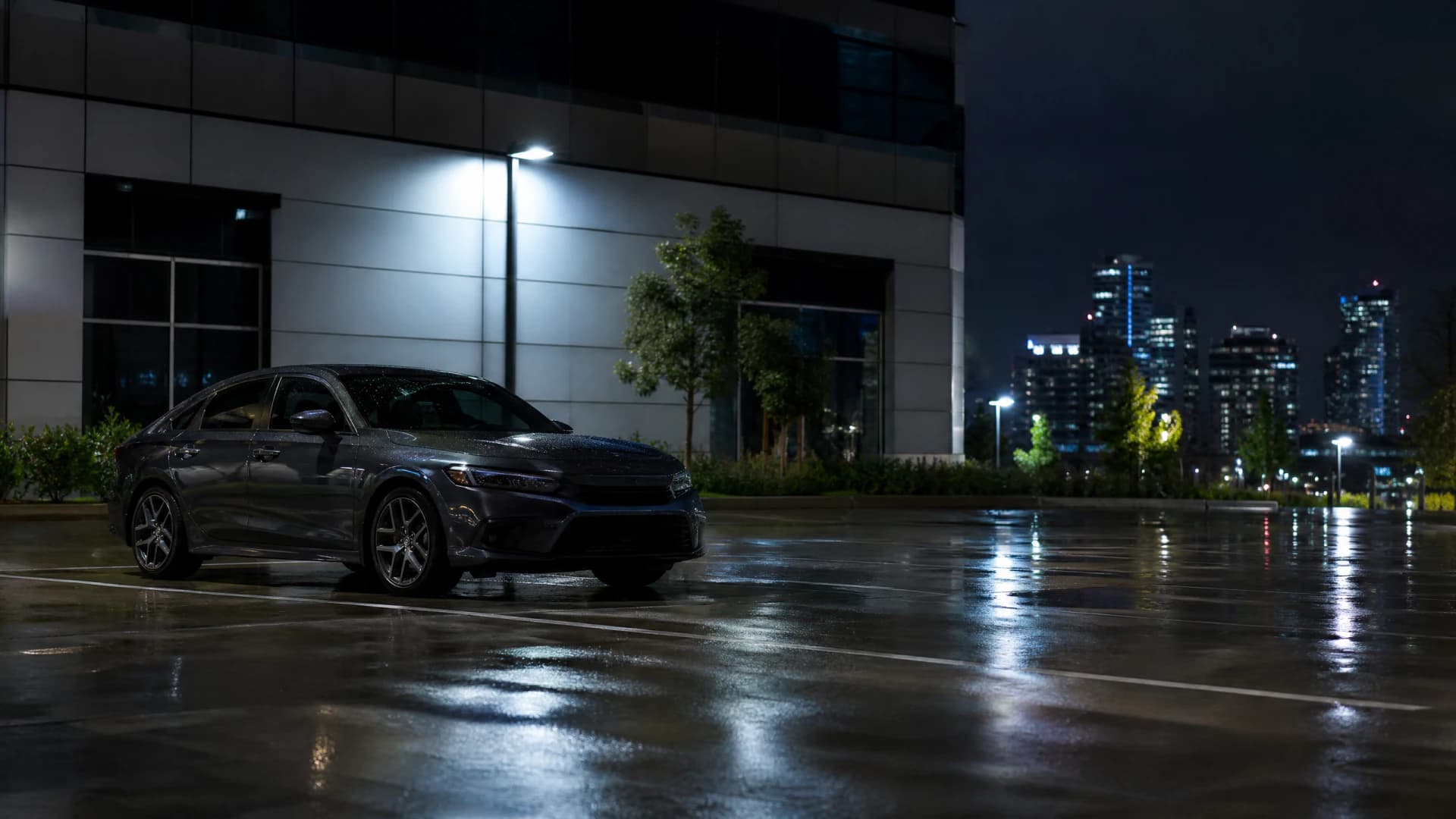
Standard-tier carriers apply the multi-car discount to minimum-limit policies, but their base rates are higher than non-standard carriers built specifically for minimum coverage.
Related Articles


How Multi-Vehicle Discounts Apply to Minimum-Limit Policies
The multi-car discount works the same way on minimum-limit policies as it does on full-coverage policies: every vehicle must sit on the same policy, and most carriers require that all vehicles share a garaging address. When you add a second vehicle to an existing minimum-limit policy, the carrier re-rates the entire policy and applies the discount to both vehicles. The discount does not appear as a line item; it is built into the per-vehicle premium.
A vehicle titled to someone outside your household does not qualify for the same-policy discount. If your adult child owns a car titled in their name and garages it at a different address, that vehicle cannot sit on your policy and does not count toward the multi-car discount. The same-policy requirement is structural: the discount applies only when the carrier insures multiple vehicles under one policy number.
Adding a vehicle mid-term re-rates the policy rather than simply adding a flat amount. When you buy a third car and add it to your existing two-car policy, the carrier recalculates the premium for all three vehicles and applies the multi-car discount to the new total. The result is usually a smaller per-vehicle increase than you would see if you insured the third car on a separate policy, but the entire policy premium changes, not just the new vehicle's portion.
$25,000 / $50,000 / $25,000
New Hampshire Minimum Liability Limits
New Hampshire's minimum liability limits apply when you carry or are required to carry coverage: $25,000 bodily injury per person, $50,000 bodily injury per accident, and $25,000 property damage. The state also mandates uninsured motorist coverage and personal injury protection on every policy.
New Hampshire Department of Safety
When Minimum Coverage Makes Sense for Multi-Car Households
Minimum coverage makes sense when every vehicle in your household is older, fully paid off, and worth less than the cost of carrying collision and comprehensive coverage over two or three years. Dropping collision and comprehensive and carrying only the state-required liability minimums eliminates that mismatch.
Minimum coverage also makes sense when you are required to carry insurance after a violation but your household's vehicles are low-value. New Hampshire requires SR-22 filing for three years after certain violations, and the SR-22 certificate must attach to an active liability policy. If you own multiple older vehicles and need SR-22 coverage, insuring all vehicles on one minimum-limit policy with a non-standard carrier that writes SR-22 keeps the cost lower than splitting the vehicles across separate policies or carrying higher limits you do not need.
Compare Carriers That Write Your Household's Vehicle Count
Not every carrier writes policies for households with more than four vehicles. If you insure five or six cars, confirm that the carrier you are quoting with will write a policy for that many vehicles before you complete the application. Standard-tier carriers typically write policies for up to six vehicles on one policy; non-standard carriers vary by company. Bristol West and The General both write multi-vehicle policies for households with five or more cars, but you must confirm vehicle count during the quoting process.
When you compare carriers, quote with at least one standard-tier carrier and one non-standard carrier. The base-rate difference between the two groups is large enough that the multi-car discount alone does not close the gap. A household with three vehicles on minimum limits will usually pay less with a non-standard carrier, but a household with one vehicle on minimum limits and two on full coverage will usually pay less with a standard-tier carrier that allows per-vehicle coverage customization. The only way to know which structure costs less for your household is to quote both and compare the total policy premium, not the per-vehicle rate.
Non-Standard Carriers Built for Minimum Coverage
Bristol West, The General, and National General all write minimum-limit policies in New Hampshire and all three apply multi-vehicle discounts when you insure two or more cars on one policy. Bristol West requires broker placement: you cannot quote directly online, but brokers who write Bristol West can structure multi-car policies with per-vehicle coverage customization. The General and National General both offer online quoting and allow you to add vehicles to an existing policy without re-rating the entire household.
Non-standard carriers price minimum-limit policies lower because their entire book of business is built around drivers who carry only the state-required minimums. The multi-car discount applies the same way it does with standard-tier carriers — every vehicle must sit on the same policy — but the starting base rate is lower. A household with four vehicles on minimum limits will almost always pay less with a non-standard carrier than with a standard-tier carrier, even when both apply the same discount percentage.
Get Your Free Quote
Get My New Hampshire Car Insurance QuoteFrequently Asked Questions
Does the multi-car discount apply to minimum-limit policies in New Hampshire?
Yes. Both standard-tier and non-standard carriers apply the multi-car discount to minimum-limit policies when you insure two or more vehicles on the same policy. The discount requires every vehicle to sit on one policy and typically that all vehicles share a garaging address.
Which carriers write minimum coverage for households with multiple vehicles in New Hampshire?
State Farm, Allstate, Geico, Liberty Mutual, Nationwide, Bristol West, The General, and National General all write minimum-limit policies for multi-car households in New Hampshire. Standard-tier carriers allow online quoting and per-vehicle coverage customization; non-standard carriers price minimum-limit policies lower but may require broker placement.
Can I insure some vehicles at minimum limits and others at higher limits on the same policy?
Yes, with standard-tier carriers. State Farm, Allstate, Geico, Liberty Mutual, and Nationwide all allow you to structure coverage vehicle-by-vehicle within one policy. You can carry minimum liability on one car and full coverage on another, and the multi-car discount applies to the entire policy.
Do I need insurance in New Hampshire if I own multiple vehicles?
No, unless you are required to carry coverage after certain violations. New Hampshire operates under a financial-responsibility system: you must prove you can pay for damages you cause, but insurance is only one way to meet that requirement. Most multi-car households choose to carry coverage anyway.
What is New Hampshire's minimum liability coverage requirement?
When you carry or are required to carry coverage, New Hampshire's minimum liability limits are $25,000 bodily injury per person, $50,000 bodily injury per accident, and $25,000 property damage. The state also mandates uninsured motorist coverage and personal injury protection on every policy.
Will adding a third vehicle to my minimum-limit policy increase the premium for all three vehicles?
Yes. Adding a vehicle mid-term re-rates the entire policy. The carrier recalculates the premium for all vehicles and applies the multi-car discount to the new total. The per-vehicle increase is usually smaller than insuring the third car separately, but the entire policy premium changes.
Can a vehicle titled to someone outside my household count toward the multi-car discount?
No. The multi-car discount requires every vehicle to sit on the same policy. A vehicle titled to someone outside your household and garaging at a different address cannot be added to your policy and does not count toward the discount.