
Best Cheap Car Insurance Companies — New Hampshire
Free to compare
Finding Multi-Car Coverage in a No-Mandate State
New Hampshire does not require most drivers to carry liability insurance. You can legally register and drive multiple vehicles without buying a policy, as long as you can prove financial responsibility if asked. But most households with two or more cars choose to insure anyway — collision and comprehensive protect the vehicles themselves, and liability covers you if you cause an accident. The question becomes which carriers write multi-car policies in New Hampshire at rates that make sense for your household.
This article walks through the 15 carriers writing auto insurance in New Hampshire, how the multi-car discount works when insurance is optional rather than mandatory, and which policy structures actually lower your combined premium when you are insuring multiple vehicles under one roof.
“One policy covering every vehicle almost always costs less than separate policies for each car.”

Check Your Rate Against Other New Hampshire Drivers
Get My New Hampshire Car Insurance Quote15 carriers
NH Multi-Car Policy Writers
Fifteen carriers write auto insurance policies in New Hampshire, including State Farm, Geico, Progressive, Allstate, and USAA. Not all offer the same multi-vehicle discount structure or accept every household configuration.
New Hampshire Insurance Department carrier roster
Why New Hampshire's Financial-Responsibility Rule Changes the Discount Calculus
Most states mandate liability insurance for every registered vehicle. New Hampshire does not. You prove financial responsibility by carrying insurance, posting a bond, or demonstrating assets — but the state does not force you to buy a policy unless you have a DWI conviction, left the scene of an accident, or committed certain other violations. This changes how carriers price multi-car policies.
Carriers writing in New Hampshire know a portion of their customer base is choosing to insure rather than being forced to. That self-selection often means better risk pools and more competitive pricing for households that voluntarily carry coverage on multiple vehicles. The multi-car discount — which typically reduces your premium when you insure two or more vehicles on the same policy — becomes a stronger differentiator here because carriers compete for customers who have the option to walk away entirely.
When you add a second or third vehicle to an existing New Hampshire policy, the carrier re-rates the entire policy. The multi-car discount applies to the combined premium, not to each vehicle individually. Some carriers apply a larger discount when all vehicles are garaged at the same address and titled to the same household members. Others allow more flexibility but charge higher base rates. Understanding which structure fits your household matters more in a state where insurance is optional.
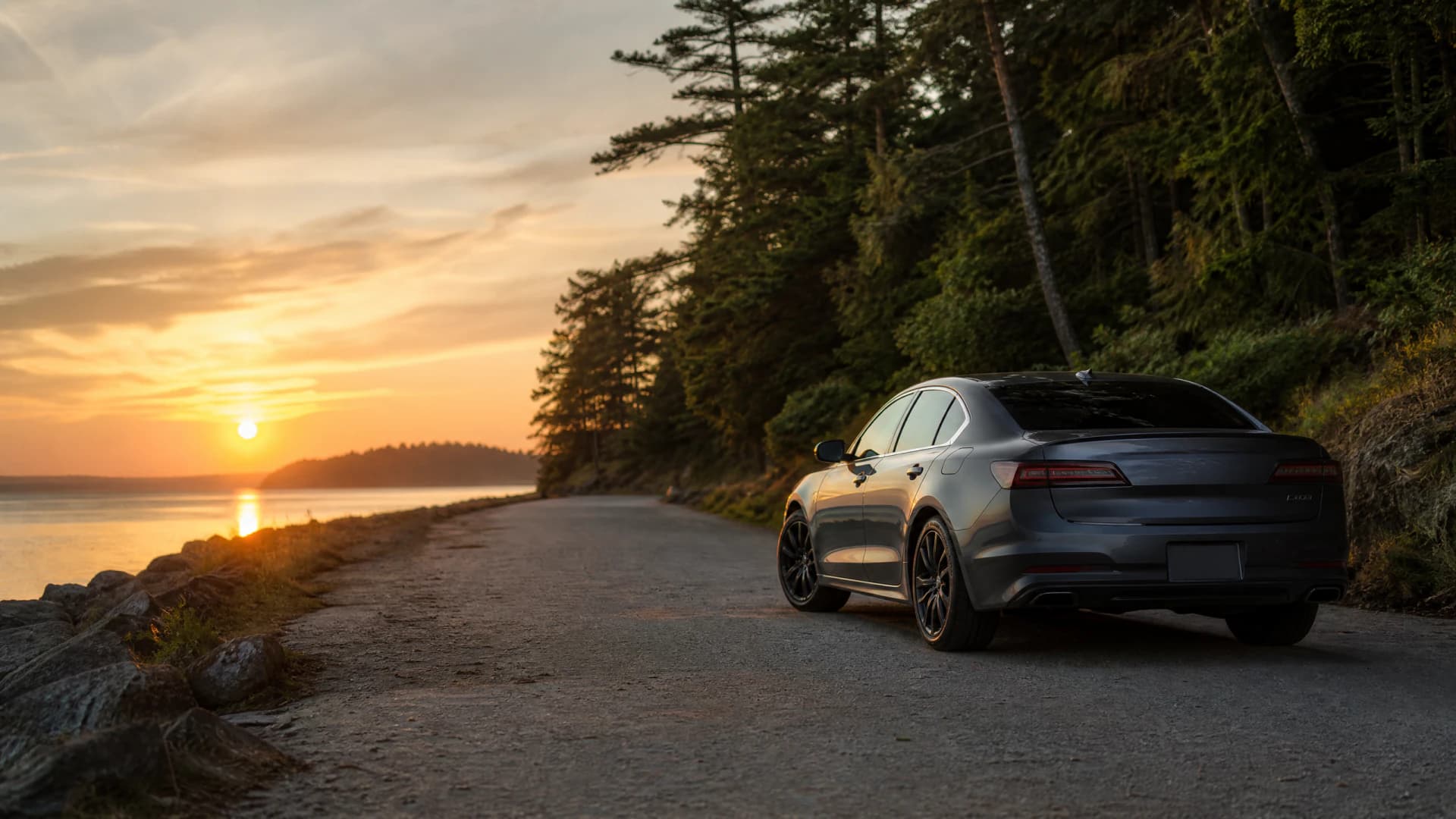
The multi-car discount requires every vehicle on one policy. A car titled to someone outside your household or garaged elsewhere may not qualify.
Related Articles




How the Multi-Car Discount Works When Insurance Is Optional
The multi-car discount reduces your total premium when you insure two or more vehicles on the same policy. The discount applies to the combined premium after the carrier calculates the base rate for each vehicle. Most carriers require every vehicle to be garaged at the same address and titled to members of the same household. A vehicle owned by a roommate or an adult child living elsewhere typically does not qualify for the same-policy discount, even if you want to add it.
New Hampshire's financial-responsibility rule means you can choose not to insure at all. Carriers know this and price multi-car policies to retain households that could otherwise drop coverage. The result: multi-car discounts in New Hampshire often run larger than in mandate states, especially for households with three or more vehicles. But the discount only applies when every vehicle sits on one policy. Splitting vehicles across two policies — one for you, one for your spouse — eliminates the multi-car discount entirely, even if both policies are with the same carrier.
When you add a vehicle mid-term, the carrier re-rates the entire policy rather than simply adding a flat amount. Your premium changes based on the new vehicle's value, your coverage selections, and how the multi-car discount applies to the updated policy. Some carriers recalculate the discount each time you add or remove a vehicle; others lock the discount percentage at policy inception and apply it consistently through the term. Ask your carrier how they handle mid-term additions before you buy the second car.
$25,000 / $50,000 / $25,000
NH Minimum Liability Limits
New Hampshire does not mandate liability insurance for most drivers, but when you do carry coverage — or are required to after a violation — the state minimum is $25,000 per person, $50,000 per accident for bodily injury, and $25,000 for property damage. Most multi-car households carry higher limits.
New Hampshire RSA 264:15
Which Policy Structure Saves Money for Multi-Vehicle Households
One policy covering every vehicle almost always costs less than separate policies for each car. The multi-car discount applies only when all vehicles sit on the same policy, and carriers price the combined risk lower than the sum of individual policies. Households that split vehicles across two policies — even with the same carrier — pay more because each policy loses the multi-car discount and carries its own set of policy fees.
The exception: when one household member has a significantly worse driving record than the others, splitting that driver onto a separate policy can sometimes lower the combined cost. A DWI conviction or multiple at-fault accidents can raise the entire household's premium when that driver shares the policy. Running quotes both ways — one combined policy versus separate policies for the high-risk driver — shows which structure actually costs less. Most of the time, one policy still wins, but not always.
Compare Carriers That Write Your Household's Vehicles
Start by confirming which carriers write policies for your household configuration. If one vehicle is a classic car, a commercial truck, or a high-performance sports car, not every carrier on the New Hampshire roster will quote all vehicles on one policy. Geico, Progressive, and State Farm write the widest range of vehicle types on standard multi-car policies. Specialty vehicles may require a separate policy or an endorsement, which eliminates the multi-car discount for that vehicle.
Request quotes from at least three carriers. Multi-car discount structures vary: one carrier's smaller discount on a lower base rate can beat another's larger discount on a higher starting premium. USAA, Amica, and State Farm often deliver the lowest combined premiums for preferred-tier households. National General and The General write competitive multi-car policies for households with prior violations. Compare the total annual premium for all vehicles combined, not the per-vehicle breakdown — the multi-car discount applies to the policy, not to individual cars.
Carriers Writing Multi-Car Policies in New Hampshire
State Farm, Geico, Progressive, Allstate, and USAA write preferred and standard-tier policies with online quoting available. These carriers typically offer the most competitive multi-car discounts for households with clean driving records and multiple vehicles. USAA restricts eligibility to military members, veterans, and their families but writes multi-car policies with some of the lowest combined premiums when you qualify. State Farm and Geico both write owner and non-owner policies and accept households with mixed vehicle types — sedans, SUVs, trucks — on the same policy.
Farmers, National General, The General, and Bristol West write standard and non-standard-tier policies. National General and The General specialize in households with prior violations or lapses in coverage and still offer multi-car discounts, though base rates run higher than preferred-tier carriers. Bristol West requires broker contact and writes non-standard policies for drivers who cannot qualify elsewhere. Travelers, Hartford, Nationwide, Liberty Mutual, Amica, and Auto Club Enterprises round out the roster, writing standard-tier policies with online quoting. Amica positions as a preferred-tier mutual insurer and often delivers lower combined premiums for multi-car households with strong credit and no claims history.
Get Your Free Quote
Get My New Hampshire Car Insurance QuoteFrequently Asked Questions
Does New Hampshire require car insurance for multiple vehicles?
New Hampshire does not require most drivers to carry car insurance, even when they own multiple vehicles. You must prove financial responsibility — by carrying insurance, posting a bond, or demonstrating assets — but the state does not mandate a policy unless you have a DWI conviction or certain other violations. Most multi-car households choose to insure anyway to protect the vehicles and cover liability.
How much does the multi-car discount save in New Hampshire?
The multi-car discount structure varies by carrier. The discount applies to your combined premium when you insure two or more vehicles on the same policy. Carriers do not publish uniform discount percentages, and the actual savings depend on your household's vehicles, driving records, and coverage selections. Comparing quotes from multiple carriers shows which structure delivers the lowest combined premium for your household.
Can I insure vehicles garaged at different addresses on one policy?
Most carriers require every vehicle on a multi-car policy to be garaged at the same address. A vehicle garaged elsewhere — at a college campus, a second home, or an adult child's apartment — typically does not qualify for the same-policy multi-car discount. Some carriers allow exceptions with an endorsement, but base rates run higher and the discount may not apply to the separately-garaged vehicle.
Which New Hampshire carriers offer the best multi-car discounts?
State Farm, Geico, Progressive, USAA, and Amica write competitive multi-car policies in New Hampshire. USAA restricts eligibility to military-affiliated households but often delivers the lowest combined premiums when you qualify. Amica and State Farm write preferred-tier policies with strong multi-car discount structures for households with clean records. Comparing quotes from at least three carriers shows which one prices your household's vehicles lowest.
What happens when I add a third vehicle to my New Hampshire policy?
When you add a vehicle mid-term, your carrier re-rates the entire policy. Your premium changes based on the new vehicle's value, your coverage selections, and how the multi-car discount applies to the updated policy. Most carriers recalculate the discount each time you add or remove a vehicle. Contact your carrier before you buy the third car to confirm how the addition affects your total premium and whether the multi-car discount increases with the third vehicle.
Do I need uninsured motorist coverage for multiple vehicles in New Hampshire?
New Hampshire requires uninsured motorist coverage when you carry a liability policy. The requirement applies to every vehicle on your policy. Approximately 10% of New Hampshire motorists drive uninsured, so uninsured motorist coverage protects you when an at-fault driver cannot pay. The coverage applies per person and per accident, not per vehicle, so one uninsured motorist limit covers all vehicles on your multi-car policy.