
Continuous Car Insurance Coverage — New Hampshire
Free to compare
New Hampshire's Unique Financial Responsibility Rule
New Hampshire does not require all drivers to carry liability car insurance. The state operates under a financial responsibility system: you must be able to prove you can pay for damages you cause, but insurance is only one way to satisfy that requirement. Most drivers carry coverage voluntarily, but you are not breaking the law by driving uninsured unless you fall into a category that triggers a mandatory insurance requirement.
This creates confusion when drivers ask whether continuous coverage is required. The answer depends on your status. If you have never been convicted of certain violations and have not been involved in an at-fault accident, you can legally drive without insurance as long as you can demonstrate financial responsibility if asked. If you fall into a category that requires insurance — such as after a DWI conviction or leaving the scene of an accident — continuous coverage becomes mandatory for the duration of the requirement period.
“A lapse in coverage during an SR-22 filing period triggers immediate suspension — the state is notified the day your policy cancels.”

Check Your Rate Against Other New Hampshire Drivers
Get My New Hampshire Car Insurance Quote$25,000 / $50,000 / $25,000
NH Minimum Liability Limits
New Hampshire sets minimum liability limits at $25,000 per person for bodily injury, $50,000 per accident for bodily injury, and $25,000 for property damage. These limits apply when you are required to carry or choose to carry insurance.
New Hampshire Department of Safety
When Continuous Coverage Becomes Mandatory
Continuous coverage is required if you have been ordered to file an SR-22 certificate. New Hampshire requires SR-22 filing for any DWI conviction, leaving the scene of an accident, or a second reckless operation offense. The SR-22 filing period lasts 3 years from the conviction date, and your insurance must remain active and compliant for the entire period.
If your policy lapses or is canceled during the SR-22 period, your carrier is required to notify the state. The notification triggers an immediate suspension of your driving privilege.
Outside of SR-22 requirements, continuous coverage is not legally mandated. However, a gap in coverage can complicate your ability to prove financial responsibility if you are involved in an accident or pulled over and asked to demonstrate it. New Hampshire law allows you to satisfy financial responsibility through a surety bond, a certificate of deposit with the state treasurer, or self-insurance if you meet the state's criteria, but most drivers find maintaining insurance simpler than navigating those alternatives.
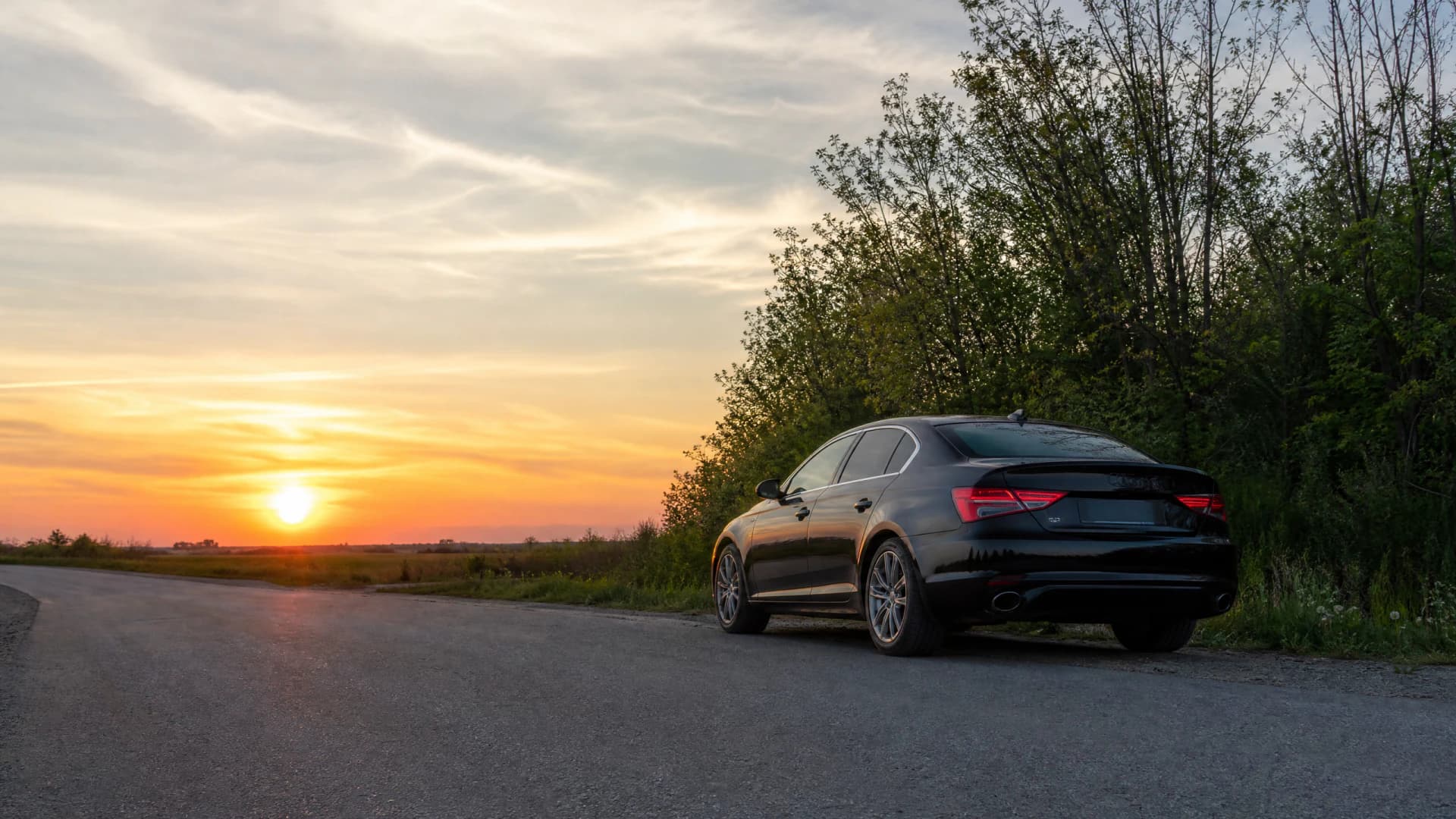
A lapse in coverage during an SR-22 filing period triggers immediate suspension. The state is notified by your carrier the day your policy cancels.




Proving Financial Responsibility Without Insurance
New Hampshire allows drivers to prove financial responsibility without carrying insurance, but the alternatives are not practical for most households. You can post a surety bond in the amount of $50,000 with the state, deposit $50,000 in cash or securities with the state treasurer, or apply for self-insurance status if you own a fleet of vehicles and meet the state's financial criteria.
If you choose one of these alternatives, you must be prepared to produce proof of financial responsibility immediately if requested by law enforcement or after an accident. The proof requirement is not theoretical — officers can ask for it during any traffic stop, and failure to provide it can result in fines and suspension. Most drivers who explore these alternatives return to traditional insurance after realizing the administrative burden and upfront cost.
For drivers managing multiple vehicles, the financial responsibility requirement applies per driver, not per vehicle. If you own three cars but only drive one regularly, you are not required to insure the other two unless they are driven by someone else in your household. However, uninsured vehicles cannot be registered, and driving an unregistered vehicle is a separate violation with its own penalties.
10%
NH Uninsured Motorist Rate
Approximately 10% of New Hampshire motorists drive without insurance. This rate is higher than the national average, reflecting the state's unique financial responsibility system rather than mandatory insurance law.
Insurance Research Council, 2023

Registration and Inspection Without Insurance
New Hampshire does not require proof of insurance to register a vehicle. You can register a car, pay the registration fee, and receive valid plates without showing an insurance card. This is consistent with the state's financial responsibility framework — registration and insurance are separate requirements.
However, the state's annual safety inspection process does not verify insurance status. The inspection checks mechanical safety and emissions compliance, not financial responsibility. This means a vehicle can pass inspection and remain legally registered without active insurance coverage, as long as the owner is not in a category that requires mandatory insurance.
If you are subject to an SR-22 requirement, your registration status does not change the insurance mandate. You must maintain continuous SR-22 coverage regardless of whether your vehicle is registered, inspected, or driven. The SR-22 requirement is tied to your driving privilege, not to the vehicle itself.
Multi-Vehicle Households and Coverage Decisions
Households with multiple vehicles face a decision: insure every car year-round, or drop coverage on vehicles not in regular use. New Hampshire law allows the second option, but the practical trade-offs matter. Dropping coverage on a stored or seasonal vehicle saves premium dollars, but reinstating coverage later may cost more if the gap is long or if your driving record changes during the lapse.
If one vehicle in your household is driven by someone subject to an SR-22 requirement, that vehicle must remain insured continuously. Other vehicles in the household can be insured or uninsured based on use, but mixing insured and uninsured vehicles on the same policy is not possible — each vehicle is either covered or excluded. Excluding a vehicle from your policy means it cannot be driven by anyone on the policy without triggering an uninsured-driver claim denial.
Carriers writing multi-vehicle policies in New Hampshire include State Farm, Geico, Progressive, Allstate, Farmers, and Liberty Mutual. Each carrier handles coverage gaps and reinstatement differently, so comparing policies when you anticipate seasonal use or temporary storage is worth the time. Some carriers penalize gaps more heavily than others, and some offer storage or lay-up coverage that maintains a minimal policy on a non-driven vehicle at a reduced rate.
What to Do Right Now
If you are not subject to an SR-22 requirement and want to drop coverage on a vehicle, contact your carrier to confirm the cancellation process and ask how a gap will affect your rate when you reinstate. If you are subject to an SR-22 requirement, verify that your current policy is active and that your carrier has filed the certificate with the state. Any lapse triggers immediate suspension, and reinstatement requires proof of continuous coverage going forward, not just a new policy. Compare carriers that write SR-22 policies in New Hampshire to ensure you are paying a competitive rate for the coverage you are required to maintain.
How Carriers Handle Coverage Gaps
If you are not subject to an SR-22 requirement, you can cancel your policy at any time without legal penalty. Many drivers cancel coverage on vehicles stored for the winter or taken off the road temporarily. When you reinstate coverage, carriers will ask about the gap. A short gap — a few weeks or months — typically does not affect your rate significantly. A gap longer than six months may result in higher premiums, as carriers view continuous coverage as a signal of lower risk.
If you are subject to an SR-22 requirement, canceling your policy is not an option. Your carrier is contractually obligated to notify the state of any lapse, and the notification is automatic. Some carriers allow you to switch policies during the SR-22 period, but the new carrier must file an SR-22 on your behalf before the old policy cancels, or you will face suspension. Coordinating the timing of the switch is critical — a single day without active SR-22 coverage triggers the suspension process.
Get Your Free Quote
Get My New Hampshire Car Insurance QuoteFrequently Asked Questions
Can I cancel my car insurance in New Hampshire if I'm not driving?
Yes, unless you are subject to an SR-22 filing requirement. New Hampshire does not mandate insurance for all drivers, so you can cancel coverage on a vehicle you are not driving. However, a coverage gap may increase your premium when you reinstate, and you must still be able to prove financial responsibility if asked.
What happens if my insurance lapses during an SR-22 period in New Hampshire?
Your carrier notifies the state immediately, and your driving privilege is suspended. The suspension remains in effect until you satisfy all requirements.
Does New Hampshire require insurance to register a vehicle?
No. New Hampshire does not require proof of insurance to register a vehicle. Registration and insurance are separate requirements under the state's financial responsibility system. However, if you are subject to an SR-22 requirement, you must maintain continuous insurance regardless of registration status.
How do carriers treat coverage gaps in New Hampshire?
Short gaps of a few weeks or months typically have minimal impact on your rate. Gaps longer than six months may result in higher premiums, as carriers view continuous coverage as a signal of lower risk. If you are subject to an SR-22 requirement, any gap triggers suspension and complicates reinstatement.
Can I insure some vehicles in my household but not others?
Yes, as long as you are not subject to an SR-22 requirement on any vehicle. Each vehicle on your policy is either covered or excluded. An excluded vehicle cannot be driven by anyone on the policy without triggering a claim denial. If one vehicle requires SR-22 coverage, that vehicle must remain insured continuously.