
Uninsured Motorist Coverage — New Hampshire
Free to compare
What Uninsured Motorist Coverage Protects
You're managing insurance for two or more vehicles in New Hampshire, and you notice uninsured motorist coverage listed as mandatory on every policy quote. The state requires it, but most carriers don't explain what it actually does or when it kicks in. You need to know whether this coverage protects every vehicle on your policy the same way, and what happens when someone without insurance hits one of your cars.
Uninsured motorist coverage pays for injuries and property damage when an at-fault driver has no insurance or insufficient coverage to pay your claim. New Hampshire mandates this coverage on every auto policy because the state operates under financial responsibility rules that don't require most drivers to carry liability insurance. That structural reality creates a coverage gap: 10% of New Hampshire motorists are uninsured, and your household's vehicles face that exposure every time they're on the road.
“New Hampshire mandates uninsured motorist coverage because 10% of drivers carry no insurance, and your household's vehicles face that exposure every day.”

Check Your Rate Against Other New Hampshire Drivers
Get My New Hampshire Car Insurance Quote10%
New Hampshire Uninsured Motorists
One in ten drivers on New Hampshire roads carries no insurance. Uninsured motorist coverage is the only protection your household has when an at-fault driver cannot pay for damage to your vehicles or injuries to your passengers.
Insurance Information Institute, 2023
How the Coverage Works Across Multiple Vehicles
Uninsured motorist coverage applies per policy, not per vehicle. When you insure multiple cars on one policy, the coverage limit you select protects every vehicle and every driver listed on that policy. If an uninsured driver hits your second car while your spouse is driving, the claim runs through the same uninsured motorist limit that would apply if they hit your first car.
New Hampshire requires minimum uninsured motorist limits that match the state's liability minimums: $25,000 per person for bodily injury, $50,000 per accident for bodily injury, and $25,000 per accident for property damage. Most carriers let you buy higher limits, and those higher limits apply across every vehicle on the policy. A household with three vehicles does not need three separate uninsured motorist policies; one policy with adequate limits covers all three.
The coverage follows the vehicle. If someone not listed on your policy borrows one of your cars and gets hit by an uninsured driver, your uninsured motorist coverage still applies. The claim is filed against your policy, and the limits you selected determine what the carrier pays.
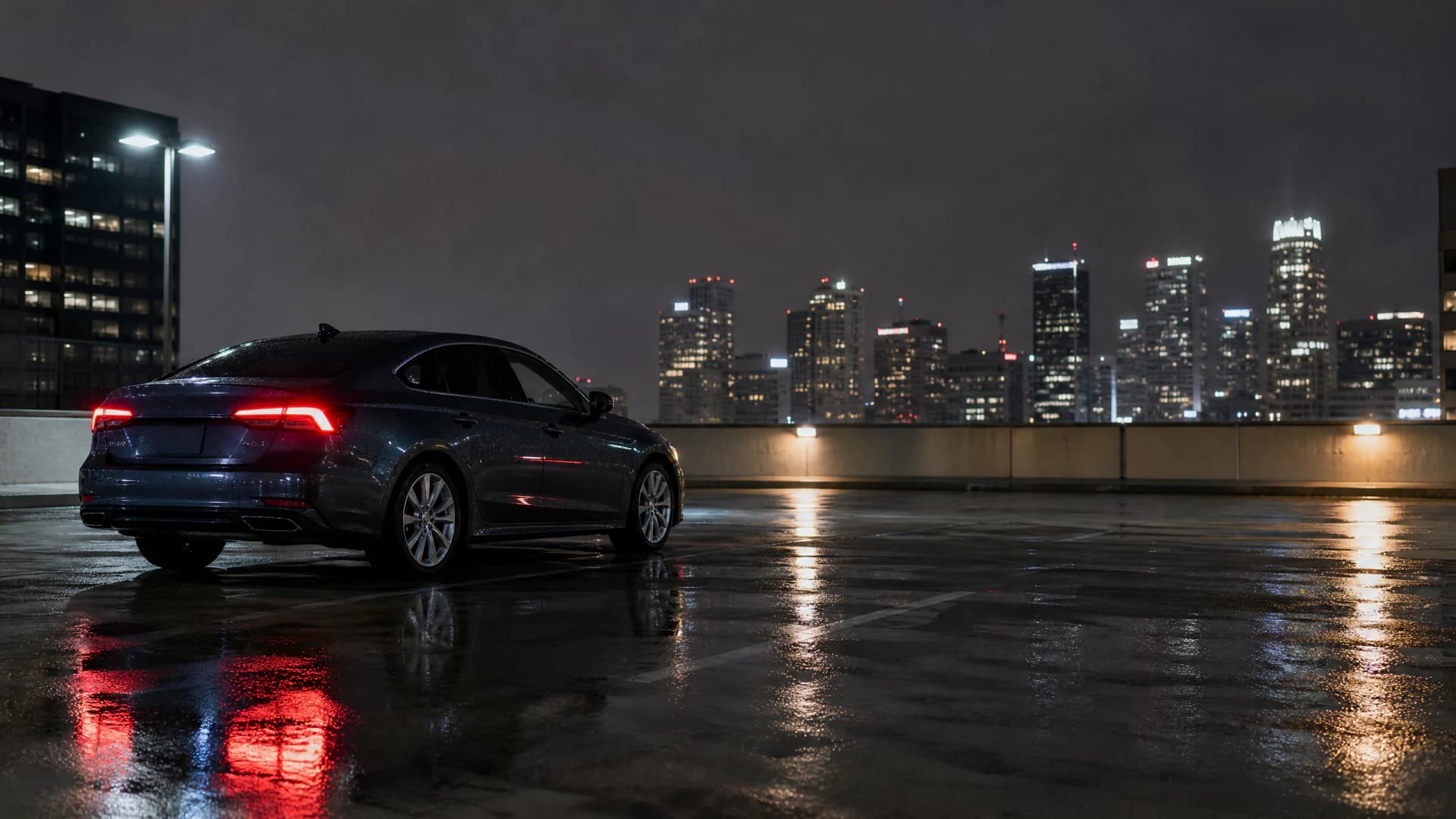
New Hampshire's financial responsibility system lets most drivers skip liability insurance, but it mandates uninsured motorist coverage on every policy to close the gap those uninsured drivers create.
Related Articles




When the Coverage Does Not Apply
Uninsured motorist coverage does not pay for damage you cause to your own vehicles. If you're at fault in a crash, your liability coverage pays the other driver's claim, and your collision coverage pays to repair your own car. Uninsured motorist coverage only applies when another driver is at fault and that driver has no insurance or insufficient coverage.
The coverage does not apply to hit-and-run crashes unless you can prove the other driver was uninsured. New Hampshire requires you to report hit-and-run incidents to law enforcement and cooperate with the carrier's investigation. If the at-fault driver is never identified, most carriers deny uninsured motorist claims and route the claim to collision coverage instead, which means you pay your collision deductible.
Uninsured motorist coverage does not stack across multiple vehicles unless you specifically purchase stacking. New Hampshire allows stacking, which means you can combine the uninsured motorist limits from every vehicle on your policy to increase the total available coverage for a single claim. Without stacking, the per-person and per-accident limits apply once per claim, regardless of how many vehicles you insure. Stacking costs more, but it increases protection for households with multiple cars and multiple drivers.
$25,000 / $50,000 / $25,000
New Hampshire Minimum Uninsured Motorist Limits
New Hampshire mandates uninsured motorist coverage at the same minimums as liability: $25,000 per person for bodily injury, $50,000 per accident for bodily injury, and $25,000 per accident for property damage. These minimums apply to every vehicle on your policy.
New Hampshire Department of Safety
Choosing Limits for a Multi-Vehicle Household
The state minimum uninsured motorist limits are low. A serious injury claim or a totaled vehicle can exceed $25,000 quickly, and when your household operates multiple vehicles, the exposure multiplies. Raising your uninsured motorist limits to match your liability limits ensures that an uninsured driver's lack of coverage does not leave your household underprotected.
The incremental cost is typically modest, and the protection scales across every vehicle and driver on your policy. Households with teen drivers, high-value vehicles, or members who commute in high-traffic areas benefit most from higher uninsured motorist limits.
Compare Carriers That Write Multi-Vehicle Policies in New Hampshire
Not every carrier offers the same uninsured motorist options for households with multiple vehicles. Some apply deductibles to uninsured motorist property damage claims; others do not. Some offer stacking at a reasonable cost; others price it prohibitively. When you're structuring coverage for two or more cars, compare how each carrier handles uninsured motorist limits, stacking, and deductibles across the policy. New Hampshire's carrier roster includes 15 companies writing multi-vehicle policies with varying uninsured motorist structures. Get quotes from at least three carriers that write your household's vehicles, and confirm the uninsured motorist limits and stacking options before you bind the policy.
What Uninsured Motorist Coverage Pays For
Uninsured motorist bodily injury coverage pays medical bills, lost wages, and pain-and-suffering damages for you and your passengers when an at-fault driver has no insurance. It also covers you when you're hit by a driver whose liability limits are too low to pay the full claim — that's called underinsured motorist coverage, and New Hampshire bundles it with uninsured motorist protection. If your household member is driving one of your vehicles and suffers injuries in a crash caused by an uninsured driver, this coverage pays the claim up to your policy's per-person and per-accident limits.
Uninsured motorist property damage coverage pays to repair or replace your vehicle when an uninsured at-fault driver damages it. New Hampshire includes this as part of the mandatory uninsured motorist package, with a $25,000 minimum limit per accident. If an uninsured driver totals one of your cars, this coverage pays the actual cash value of the vehicle, minus your deductible if the policy includes one. Some carriers apply a deductible to uninsured motorist property damage claims; others do not. Check your policy declarations page to confirm whether a deductible applies.
Get Your Free Quote
Get My New Hampshire Car Insurance QuoteFrequently Asked Questions
Does uninsured motorist coverage apply to every vehicle on my New Hampshire policy?
Yes. Uninsured motorist coverage applies per policy, not per vehicle. The limits you select protect every vehicle and every driver listed on your policy. A household with three vehicles does not need three separate uninsured motorist policies.
What is the difference between uninsured and underinsured motorist coverage in New Hampshire?
Uninsured motorist coverage pays when the at-fault driver has no insurance. Underinsured motorist coverage pays when the at-fault driver's liability limits are too low to cover your claim. New Hampshire bundles both into the mandatory uninsured motorist package.
Can I stack uninsured motorist coverage across multiple vehicles in New Hampshire?
Yes. New Hampshire allows stacking, which combines the uninsured motorist limits from every vehicle on your policy to increase total coverage for a single claim. Without stacking, the per-person and per-accident limits apply once per claim regardless of how many vehicles you insure.
Does uninsured motorist coverage pay for hit-and-run crashes in New Hampshire?
Only if you can prove the other driver was uninsured. New Hampshire requires you to report hit-and-run incidents to law enforcement and cooperate with the carrier's investigation. If the at-fault driver is never identified, most carriers deny uninsured motorist claims and route the claim to collision coverage.
What are the minimum uninsured motorist limits required in New Hampshire?
New Hampshire requires $25,000 per person for bodily injury, $50,000 per accident for bodily injury, and $25,000 per accident for property damage. These minimums match the state's liability minimums and apply to every vehicle on your policy.
Should I raise my uninsured motorist limits above the state minimum for a multi-vehicle household?
Yes. The state minimum limits are low, and a serious injury or totaled vehicle can exceed $25,000 quickly. Raising your uninsured motorist limits to match your liability limits ensures an uninsured driver's lack of coverage does not leave your household underprotected.