
Liability-Only Car Insurance — New Hampshire
Free to compare
New Hampshire's Financial Responsibility Rule
New Hampshire does not require most drivers to carry liability insurance. The state operates under a financial responsibility system: you must prove you can cover damages if you cause an accident, but insurance is one option among several. You can self-insure by posting a bond or depositing cash with the state. Most households choose liability coverage because lenders require it on financed vehicles and because proving financial responsibility without insurance is administratively complex.
When you do carry liability insurance in New Hampshire, the state sets minimum limits: $25,000 bodily injury per person, $50,000 bodily injury per accident, and $25,000 property damage. The state also mandates uninsured motorist coverage and personal injury protection when you buy a policy. Liability-only means you carry these state-mandated coverages but drop collision and comprehensive on your vehicles. The decision to go liability-only is structural: you are choosing to leave your own vehicles unprotected while meeting the financial responsibility requirement and satisfying lender demands on financed cars.
“New Hampshire does not require liability insurance for most drivers, making liability-only a choice rather than a compliance floor.”

Check Your Rate Against Other New Hampshire Drivers
Get My New Hampshire Car Insurance Quote10%
New Hampshire Uninsured Motorist Rate
One in ten drivers on New Hampshire roads carries no insurance. The state's optional-insurance framework produces a higher uninsured rate than most states, making uninsured motorist coverage critical even on a liability-only policy.
Insurance Research Council, 2023
What Liability-Only Covers Across Multiple Vehicles
Liability-only coverage pays for damage you cause to other people and their property. If you rear-end another car with one of your vehicles, liability covers the other driver's medical bills up to $25,000 per person and $50,000 per accident, and their vehicle repair up to $25,000. It does not pay to fix your own car. Collision coverage pays for your vehicle; comprehensive pays for theft, weather, and vandalism. Liability-only strips both.
On a multi-vehicle policy, liability-only applies per vehicle. If you own three cars and drop collision and comprehensive on all three, none of your vehicles are covered for damage to themselves. If one car is totaled in an at-fault accident, you receive nothing. If another is stolen, you receive nothing. The liability portion still covers the other party in an accident you cause, but your own fleet is unprotected.
New Hampshire requires uninsured motorist coverage and personal injury protection on every policy. These coverages stay in place even on a liability-only policy. Uninsured motorist coverage pays your medical bills and vehicle damage when an uninsured driver hits you, up to your policy limits. Personal injury protection covers your medical expenses regardless of fault. Both coverages apply across every vehicle on the policy, giving you some protection even without collision or comprehensive.

A financed or leased vehicle cannot be insured liability-only. The lender requires collision and comprehensive until the loan is paid off.


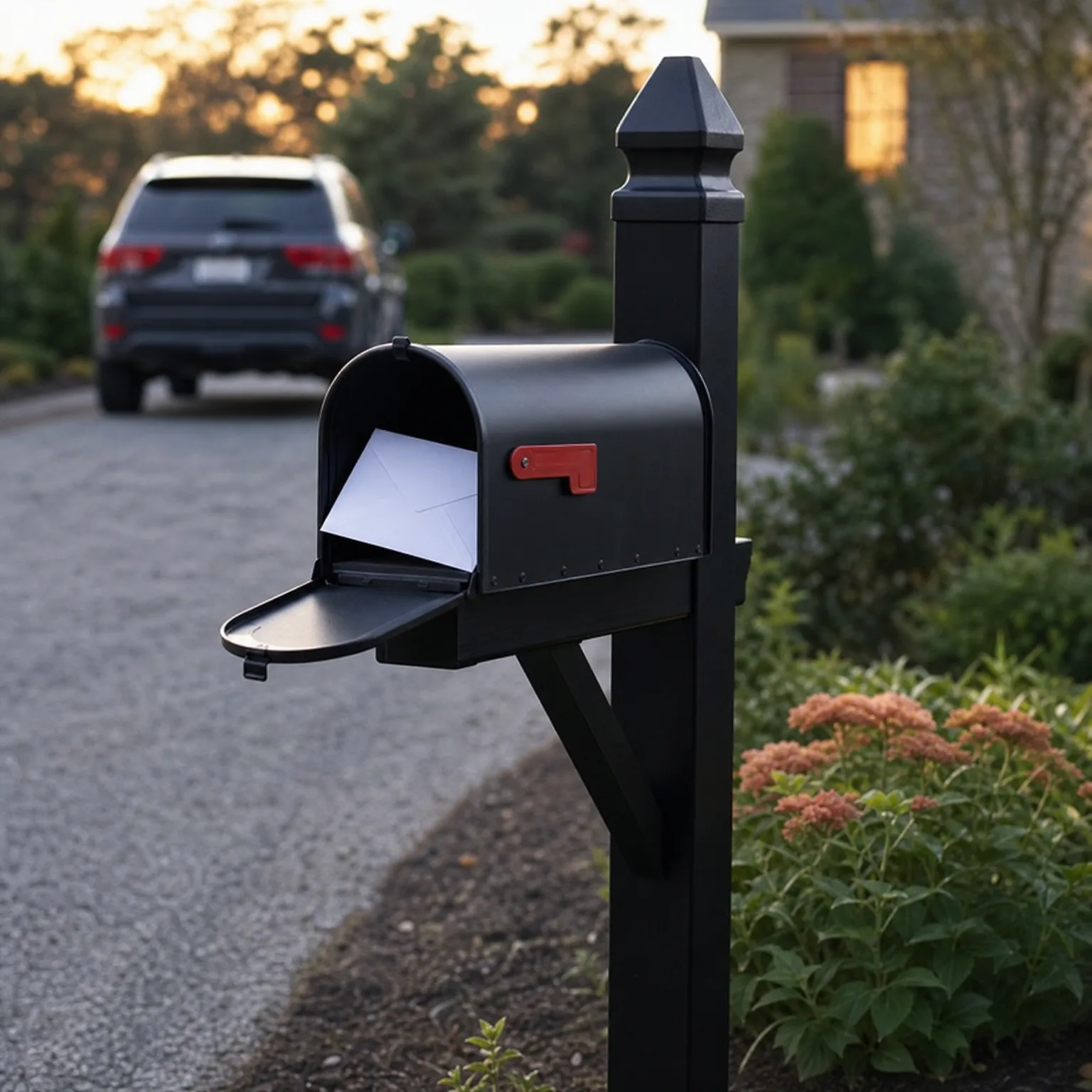




How Dropping Collision and Comprehensive Affects Your Multi-Car Policy
Removing collision and comprehensive from one or more vehicles on a multi-car policy re-rates the entire policy. Carriers calculate the multi-car discount based on the total premium across all vehicles. When you drop coverage on one car, that vehicle's premium falls, the total policy premium falls, and the multi-car discount recalculates on the new total. The discount percentage typically stays the same, but the dollar amount of the discount shrinks because the base premium is lower.
Some carriers allow you to mix coverage levels across vehicles on the same policy. You can carry full coverage on a newer financed car and liability-only on two older paid-off cars. Other carriers require uniform coverage elections across the policy. Check your carrier's policy structure before assuming you can split coverage levels. If your carrier does not allow mixed coverage, you may need to move the liability-only vehicles to a separate policy, which eliminates the multi-car discount on those vehicles.
New Hampshire's uninsured motorist requirement applies to every vehicle on the policy regardless of whether you carry collision or comprehensive. You cannot drop uninsured motorist coverage to lower premiums further. Personal injury protection is also mandatory and cannot be removed. Liability-only in New Hampshire means liability plus uninsured motorist plus personal injury protection, not liability alone.
$25,000 / $50,000 / $25,000
New Hampshire Minimum Liability Limits
New Hampshire sets minimum liability limits at $25,000 bodily injury per person, $50,000 bodily injury per accident, and $25,000 property damage when a driver carries insurance. These minimums apply to every vehicle on a multi-car policy.
New Hampshire Department of Safety

Carrier Options for Liability-Only Multi-Car Policies in New Hampshire
Fifteen carriers write auto insurance in New Hampshire and offer liability-only policies. State Farm, Geico, Progressive, Allstate, Farmers, and Nationwide write multi-car policies with mixed coverage levels, allowing you to carry full coverage on one vehicle and liability-only on others. Bristol West, National General, and The General specialize in non-standard coverage and write liability-only policies for households with older vehicle fleets. USAA writes liability-only for military families and allows mixed coverage across vehicles.
Not every carrier prices liability-only the same way. Some carriers offer a larger multi-car discount when every vehicle carries full coverage, and reduce the discount when you drop collision and comprehensive. Others hold the discount percentage constant regardless of coverage level. Compare quotes with your current coverage structure and again with liability-only on the vehicles you plan to drop. The difference between carriers can be larger than the difference between coverage levels within a single carrier.
Compare Carriers for Your Multi-Vehicle Household
New Hampshire's optional-insurance framework gives you flexibility, but that flexibility creates complexity when you insure multiple vehicles. Liability-only works when every car is paid off, replaceable, and worth less than the annual cost of collision and comprehensive. It does not work when any vehicle is financed or when losing a car would create financial hardship your household cannot absorb. Compare carriers that write multi-car policies in New Hampshire and allow mixed coverage levels. Quote liability-only on the vehicles you plan to drop and full coverage on the vehicles you plan to keep. The right structure depends on your household's vehicle values, financing status, and replacement capacity.
When Liability-Only Makes Sense for a Multi-Vehicle Household
Run the replacement test for each vehicle. After four years, you have paid more in premiums than the car is worth. Liability-only makes sense here. If the same car is financed, the lender will not allow you to drop collision and comprehensive, and the decision is made for you.
Households with multiple older vehicles often go liability-only on every car to cut premiums. The risk is concentrated: if two vehicles are totaled in separate incidents within a short window, you replace both out of pocket. If your household budget can absorb that scenario, liability-only works. If losing two vehicles at once would strand your household, keep collision and comprehensive on at least one car. The multi-car discount applies to the policy as a whole, so keeping full coverage on one vehicle and liability-only on the others is a common middle path.
Get Your Free Quote
Get My New Hampshire Car Insurance QuoteFrequently Asked Questions
Does New Hampshire require liability insurance on every vehicle?
No. New Hampshire does not require most drivers to carry liability insurance. The state requires proof of financial responsibility, and insurance is one option. Lenders require collision and comprehensive on financed vehicles regardless of state law.
Can I drop collision and comprehensive on one car and keep it on another?
Yes, if your carrier allows mixed coverage levels on a multi-car policy. State Farm, Geico, Progressive, and several other carriers writing in New Hampshire permit this structure. Some carriers require uniform coverage across all vehicles.
What happens to the multi-car discount when I go liability-only?
The multi-car discount recalculates based on the new lower total premium. The discount percentage typically stays the same, but the dollar amount of the discount shrinks because the base premium is lower after dropping collision and comprehensive.
Does liability-only cover my medical bills in an accident?
Yes, through personal injury protection, which New Hampshire requires on every policy. PIP covers your medical expenses regardless of fault. Uninsured motorist coverage also pays your medical bills if an uninsured driver hits you.
Can I remove uninsured motorist coverage to lower my premium?
No. New Hampshire requires uninsured motorist coverage on every auto insurance policy. You cannot drop it even on a liability-only policy. Personal injury protection is also mandatory and cannot be removed.
How do I know if liability-only makes sense for my household?
Run the replacement test for each vehicle. If the car is worth less than four times the annual cost of collision and comprehensive combined, and you can replace it without financial strain, liability-only works. If any vehicle is financed, the lender will not allow you to drop collision or comprehensive.