
Auto Insurance Rates in New Hampshire — Multi-Car Households
Free to compare
New Hampshire's Optional Insurance Rule and Multi-Car Households
You own two or three cars, you're comparing insurance options, and you've discovered that New Hampshire doesn't require you to carry liability coverage at all. Most states mandate minimum liability limits for every registered vehicle. New Hampshire is a financial-responsibility state: you can register and drive without insurance as long as you can prove financial responsibility if asked. That changes the entire decision frame for a household with multiple vehicles.
The confusion starts when you try to apply standard multi-car insurance logic to a state where insurance itself is optional. Carriers still offer multi-vehicle policies and multi-car discounts in New Hampshire, but the structural question shifts from "how much coverage do I need" to "do I need coverage at all, and if I buy it, how does the multi-car discount work when the state doesn't require me to insure every vehicle."
“New Hampshire's optional-insurance rule means the decision to insure is genuinely optional, but financial exposure across multiple vehicles usually outweighs premium savings.”

Check Your Rate Against Other New Hampshire Drivers
Get My New Hampshire Car Insurance Quote$25,000 / $50,000 / $25,000
NH Minimum Liability Limits
New Hampshire sets minimum liability limits at $25,000 per person for bodily injury, $50,000 per accident, and $25,000 for property damage. These limits apply when you are required to carry coverage or choose to buy a policy voluntarily.
New Hampshire Department of Safety
When New Hampshire Requires You to Carry Coverage
New Hampshire does not require all drivers to carry insurance, but certain violations and circumstances trigger a coverage mandate. A DWI conviction, leaving the scene of an accident, or a second reckless-operation offense requires you to file an SR-22 certificate and maintain continuous coverage for three years. If you fall into one of these categories, every vehicle you own or operate must be insured, and the multi-car policy becomes mandatory rather than optional.
For households without a violation history, insurance remains optional. You can register multiple vehicles, title them in your name, and drive them legally without buying a policy. The tradeoff: you assume full financial responsibility for any accident you cause. If you injure someone or damage property, you pay out of pocket. For most households with two or more vehicles and typical assets, that risk is unacceptable, which is why the majority of New Hampshire drivers buy coverage voluntarily.
The structural reality: New Hampshire's optional-insurance framework means the decision to insure is genuinely optional for most multi-car households, but the financial exposure of driving uninsured across multiple vehicles usually outweighs any premium savings. The question becomes not whether to insure, but how to structure coverage efficiently when you do.
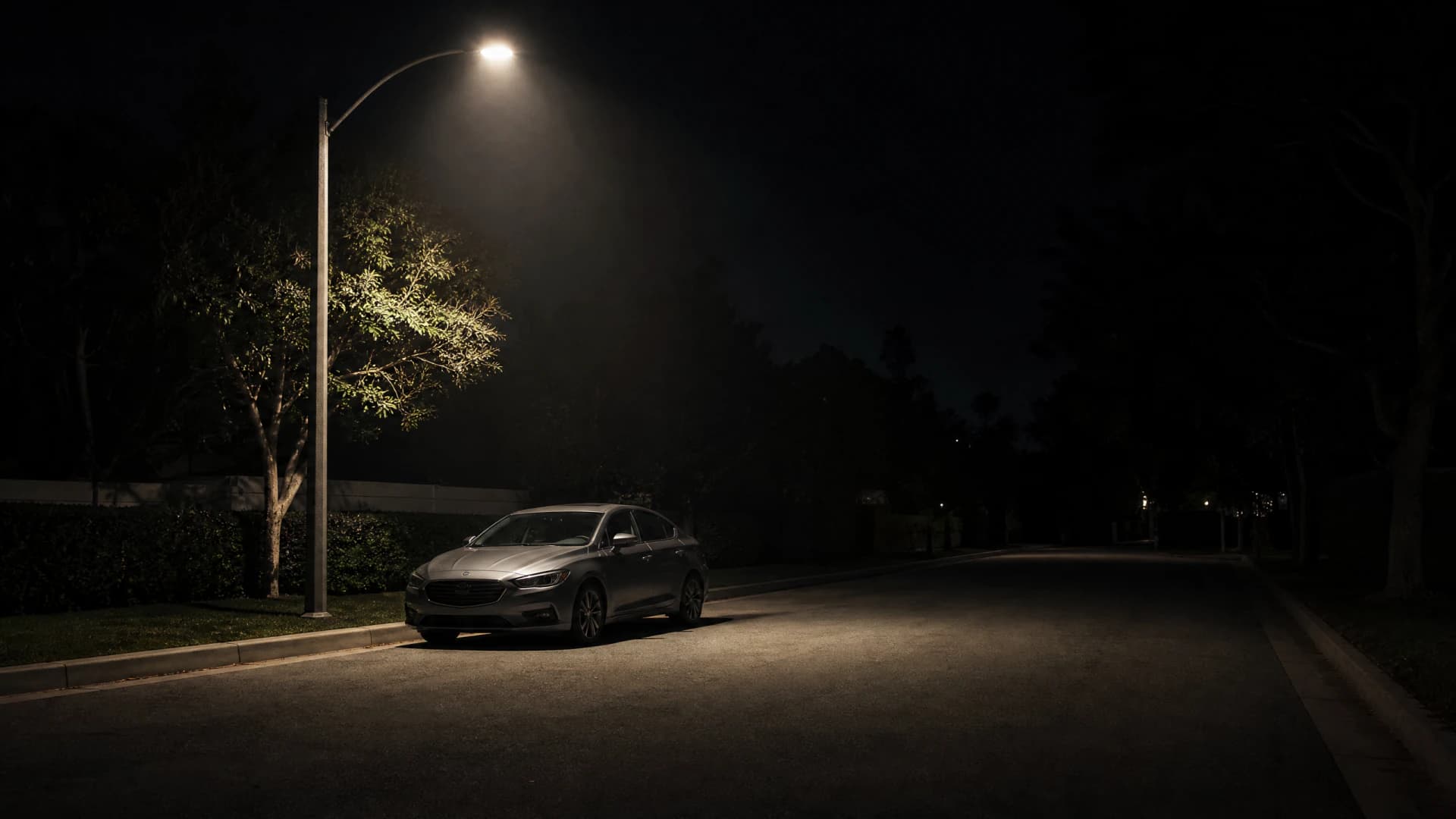
New Hampshire doesn't require insurance for most drivers, but driving multiple uninsured vehicles exposes your household to uncapped liability for every trip any vehicle makes.
Related Articles

Adding or Removing a Vehicle Mid-Term
Adding a vehicle to an existing New Hampshire multi-car policy re-rates the entire policy, not just the new car. The carrier recalculates the premium for every vehicle based on the updated household profile: total number of vehicles, drivers assigned to each, garaging address, and the new vehicle's year, make, and model. The result can be a larger increase than you expect, because the multi-car discount percentage stays the same but the base premium rises with the added vehicle.
Removing a vehicle works the same way in reverse. If you sell one of three insured cars, the carrier re-rates the remaining two vehicles. You lose the three-vehicle discount tier and drop to the two-vehicle tier, which typically carries a smaller discount percentage. The per-vehicle premium for the remaining cars often rises even though you are insuring fewer vehicles total.
Most New Hampshire carriers allow a grace period when you buy a new vehicle: the car is automatically covered under your existing policy for a short window, typically 14 to 30 days, as long as you report the purchase within that period. Miss the window, and the new vehicle may be excluded from coverage retroactively. If you are in an accident during the unreported period, the carrier can deny the claim. Report the vehicle immediately after purchase to preserve continuous coverage and lock in the multi-car discount on the new addition.
10%
NH Uninsured Motorist Rate
Approximately 10 percent of New Hampshire motorists drive without insurance. That rate is higher than the national average and reflects the state's optional-insurance framework. Uninsured and underinsured motorist coverage protects your household when an at-fault driver cannot pay.
Insurance Information Institute, 2023
Uninsured Motorist Coverage for Multi-Car Households
New Hampshire requires carriers to offer uninsured motorist coverage, and most multi-car households should carry it. The state's 10 percent uninsured rate means one in ten drivers on the road has no liability coverage to pay for damage they cause. If an uninsured driver hits one of your vehicles, your own uninsured motorist coverage pays for injuries and, depending on the policy, property damage. Without it, you sue the at-fault driver personally and collect nothing if they lack assets.
Uninsured motorist coverage applies per policy, not per vehicle. If you insure three cars on one multi-car policy and an uninsured driver totals one of them, the same uninsured motorist limit covers the claim regardless of which vehicle was hit. Splitting vehicles across separate policies means each policy carries its own uninsured motorist limit, which can complicate claims when multiple household vehicles are involved in the same accident.
Comparing Carriers for Multi-Vehicle Households
Carriers writing multi-car policies in New Hampshire vary in how they calculate the multi-car discount, how they handle mid-term vehicle additions, and which coverage options they bundle. Geico, Progressive, State Farm, Allstate, and USAA all write multi-vehicle policies in the state. Some carriers offer larger discounts for three or more vehicles; others apply the same percentage regardless of vehicle count. Base premiums vary more than discount percentages, so a carrier with a smaller discount on a lower base rate often beats a carrier with a larger discount on a higher base.
Request quotes from at least three carriers and compare the total annual premium for all vehicles combined, not the per-vehicle cost. A policy that looks expensive per vehicle may be cheaper overall once the multi-car discount applies. Verify that every vehicle you own is listed on the quote and that all household drivers are assigned correctly. Misreporting the number of vehicles or drivers voids the quote and can lead to coverage gaps when you bind the policy.
How Multi-Car Policies Work in New Hampshire
A multi-car policy in New Hampshire covers two or more vehicles titled to the same household and garaged at the same address. The multi-car discount reduces the per-vehicle premium compared to insuring each car on a separate policy. The discount applies because the carrier writes one policy, processes one renewal, and manages one billing cycle instead of separate accounts for each vehicle. Carriers writing New Hampshire include Geico, Progressive, Allstate, State Farm, Farmers, Liberty Mutual, Nationwide, USAA, and others.
The same-policy requirement is strict: vehicles titled to different household members or garaged at different addresses typically do not qualify for the same multi-car discount, even if both policies are with the same carrier. If you own three cars and your spouse owns one, and the spouse's car sits on a separate policy, the multi-car discount applies only to your three vehicles. Combining all four onto one policy usually produces a lower combined premium, but that requires retitling or restructuring ownership depending on the carrier's underwriting rules.
Get Your Free Quote
Get My New Hampshire Car Insurance QuoteFrequently Asked Questions
Do I have to insure every car I own in New Hampshire?
No. New Hampshire does not require you to carry insurance unless you have a DWI, left the scene of an accident, or committed a second reckless-operation offense. If none of those apply, you can register and drive multiple vehicles without insurance, but you assume full financial responsibility for any accident you cause.
Does the multi-car discount apply if I insure only some of my vehicles?
No. The multi-car discount requires every vehicle on the policy to be insured. If you own three cars and insure only two, the discount applies to those two vehicles only. Adding the third vehicle to the policy typically lowers the per-vehicle premium for all three.
Can I combine my car and my spouse's car on one policy in New Hampshire?
Yes, if both vehicles are titled to the same household and garaged at the same address. Most carriers allow spouses to combine vehicles on one multi-car policy regardless of whose name is on the title, but some require both names on the policy or retitling one vehicle. Check with the carrier before binding.
What happens if I buy a new car and forget to add it to my policy?
Most New Hampshire carriers cover a newly purchased vehicle automatically for 14 to 30 days as long as you report the purchase within that window. If you miss the deadline, the new vehicle may be excluded from coverage retroactively, and any accident during the unreported period can be denied.
How does New Hampshire's uninsured motorist rate affect multi-car households?
Approximately 10 percent of New Hampshire drivers are uninsured. Uninsured motorist coverage protects your household when an at-fault driver cannot pay. The coverage applies per policy, so insuring all vehicles on one multi-car policy means one uninsured motorist limit covers any vehicle in a claim.
Do I need SR-22 filing if I insure multiple vehicles in New Hampshire?
Only if you have a DWI, left the scene of an accident, or committed a second reckless-operation offense. If you are required to file an SR-22, every vehicle you own or operate must be insured, and the SR-22 certificate must remain active for three years from the conviction date.