
Cheapest Car Insurance for New Drivers — New Hampshire
Free to compare
New Hampshire Doesn't Require Insurance—Until It Does
You just got your license in New Hampshire and need to insure your first car, but you're not sure whether you're required to carry coverage or what the least expensive compliant option looks like. New Hampshire is one of two states that does not mandate liability insurance for most drivers. You can register and drive a car without buying a policy—as long as you can prove financial responsibility if you cause an accident.
That changes the moment you're involved in a crash, convicted of certain violations, or add a second vehicle to your household. At that point, New Hampshire requires you to carry minimum liability limits and file proof with the state. Understanding when coverage becomes mandatory, what those minimums are, and which carriers write affordable policies for new drivers determines whether you're compliant and protected without overpaying.
“New Hampshire does not require you to buy insurance simply because you own a car, but coverage becomes mandatory after a DWI or certain other violations.”

Check Your Rate Against Other New Hampshire Drivers
Get My New Hampshire Car Insurance Quote$25,000 / $50,000 / $25,000
New Hampshire Minimum Liability Limits
When New Hampshire requires you to carry insurance, you must meet these minimums: $25,000 bodily injury per person, $50,000 bodily injury per accident, and $25,000 property damage. The state also mandates uninsured motorist coverage and personal injury protection at the same limits.
New Hampshire Department of Safety
When New Hampshire Requires You to Carry Coverage
New Hampshire does not require you to buy insurance simply because you own a car or hold a driver's license. You are required to prove financial responsibility—the ability to pay damages if you cause an accident—but insurance is only one way to do that. You can also post a bond or deposit cash with the state.
Coverage becomes mandatory after a DWI conviction, leaving the scene of an accident, or a second reckless-operation offense. At that point, you must file an SR-22 certificate with the DMV and carry continuous coverage for three years. If your license is suspended for any of these violations and you want to apply for a Limited Driving Privilege, you must show proof of financial responsibility before the court will grant it.
Even if you're not required to carry insurance, most new drivers buy it anyway. Lenders require coverage if you finance the car. Liability protection shields your assets if you cause an accident. And 10 percent of New Hampshire drivers are uninsured, which means you're exposed to significant out-of-pocket costs if an uninsured driver hits you and you have no coverage of your own.
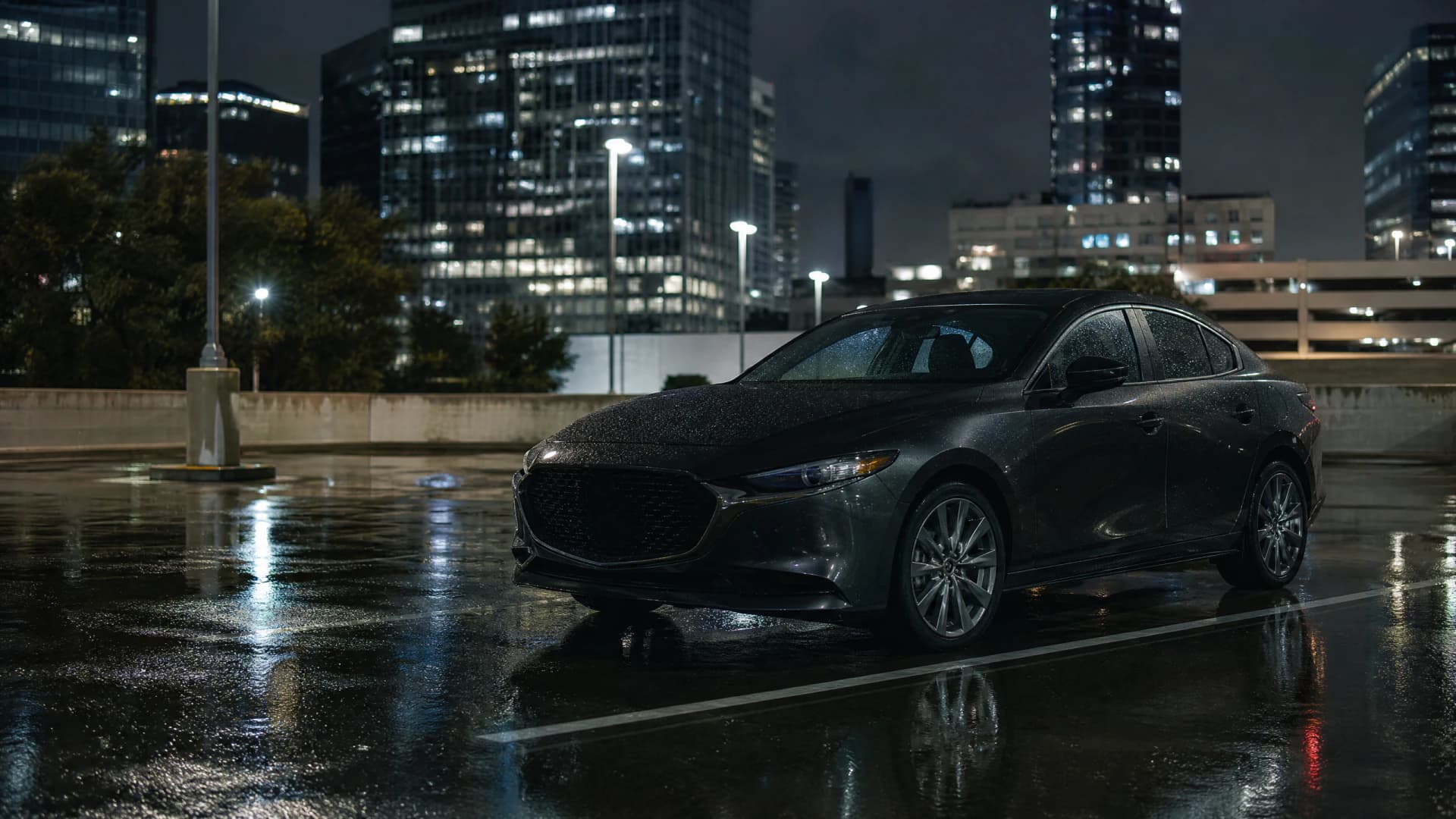
New Hampshire does not mandate insurance for most drivers, but the moment you're convicted of DWI or certain other violations, you must file an SR-22 and carry continuous coverage for three years.


Which Carriers Write Affordable Policies for New Drivers
Fifteen carriers write auto insurance in New Hampshire, and not all of them offer competitive pricing for new drivers. Geico, Progressive, and National General write policies for drivers with no prior insurance history and offer online quoting. State Farm and Allstate write new drivers but typically price higher for young or inexperienced drivers. USAA writes the most competitive policies for military families and their children, but eligibility is restricted to service members and their dependents.
Bristol West and The General specialize in non-standard auto insurance and write policies for drivers who cannot get coverage from standard carriers. Both write new drivers, but their pricing reflects higher risk. If you're a new driver with a clean record, you'll pay less with a standard carrier. If you've already been convicted of a violation or your license was suspended, non-standard carriers may be your only option.
Carriers price new drivers differently based on age, vehicle, and whether you're adding yourself to a parent's policy or buying your own. A 17-year-old buying their own policy pays more than a 17-year-old added to a parent's multi-car policy. A 25-year-old new driver with no prior insurance history pays less than a 17-year-old with the same history. The only way to know which carrier prices your specific situation lowest is to compare quotes from at least three carriers.
15 carriers
Auto Insurers Writing in New Hampshire
Fifteen carriers write auto insurance in New Hampshire, including standard carriers like Geico, Progressive, State Farm, and Allstate, and non-standard carriers like Bristol West and The General. Not all write new drivers at competitive pricing, so comparing quotes across multiple carriers is the only way to find the lowest cost for your situation.
New Hampshire Insurance Department

How Adding a Second Vehicle Changes Your Coverage Decision
If you're a new driver in a household that already owns a car, adding a second vehicle to the existing policy almost always costs less than buying a separate policy. Most carriers offer a multi-car discount when you insure two or more vehicles on the same policy, and the discount typically reduces the total premium by more than the cost of insuring the second car separately. The discount requires every vehicle to sit on the same policy and usually requires them to be garaged at the same address.
Adding yourself as a driver to a parent's policy also changes the pricing calculation. Carriers rate the policy based on all drivers in the household, and adding a new driver—especially a young or inexperienced one—raises the premium. But the increase is almost always smaller than the cost of buying your own policy, because the parent's driving history and multi-car discount offset the higher risk you bring. If the household already has two or more cars on one policy, adding you as a driver preserves the multi-car discount and spreads the cost across the entire policy.
What to Do Right Now
If you're a new driver in New Hampshire and you're not required to carry insurance, decide whether you want to buy coverage anyway. If you finance the car, your lender will require it. If you own the car outright and you're confident you can pay damages out of pocket if you cause an accident, you can skip coverage—but you're exposed to significant financial risk if an uninsured driver hits you or if you're sued after an at-fault crash.
If you decide to buy coverage, compare quotes from at least three carriers. Geico, Progressive, and National General write new drivers and offer online quoting. If you're adding yourself to a parent's policy or adding a second vehicle to an existing household policy, ask the current carrier for a quote first—the multi-car discount usually makes that the least expensive option. If you've been convicted of a violation or your license was suspended, compare quotes from Bristol West and The General alongside standard carriers to see which prices your situation lowest.
What the Minimums Actually Cover
Bodily injury liability pays medical bills, lost wages, and legal costs when you injure someone in an at-fault accident. The $25,000 per-person limit covers one injured person; the $50,000 per-accident limit is the maximum your policy pays when multiple people are hurt. If injuries exceed those limits, you pay the difference out of pocket. Property damage liability pays to repair or replace the other driver's car and any property you damage. The $25,000 limit covers most single-vehicle accidents but can fall short in multi-car pileups or when you hit expensive vehicles.
New Hampshire also mandates uninsured motorist coverage and personal injury protection at the same limits. Uninsured motorist coverage pays your medical bills and lost wages when an uninsured driver hits you. Personal injury protection pays your own medical expenses and lost income regardless of fault. Both coverages protect you when the other driver has no insurance or when you're injured in a single-car accident. These mandates make New Hampshire's minimum-coverage package more comprehensive than most states, but the dollar limits are still low compared to the cost of serious injuries.
Get Your Free Quote
Get My New Hampshire Car Insurance QuoteFrequently Asked Questions
Do I need car insurance as a new driver in New Hampshire?
New Hampshire does not require most drivers to carry insurance. You must prove financial responsibility if you cause an accident, but insurance is only one way to do that. Coverage becomes mandatory after a DWI conviction, leaving the scene of an accident, or a second reckless-operation offense.
What are the minimum liability limits in New Hampshire?
When New Hampshire requires you to carry insurance, the minimums are $25,000 bodily injury per person, $50,000 bodily injury per accident, and $25,000 property damage. The state also mandates uninsured motorist coverage and personal injury protection at the same limits.
Which carriers write affordable policies for new drivers in New Hampshire?
Geico, Progressive, and National General write policies for new drivers and offer online quoting. State Farm and Allstate also write new drivers but typically price higher for young or inexperienced drivers. USAA offers competitive pricing for military families but eligibility is restricted.
Should I add myself to my parent's policy or buy my own?
Adding yourself to a parent's policy almost always costs less than buying your own. The multi-car discount and the parent's driving history offset the higher risk you bring. If the household already has two or more cars on one policy, adding you as a driver preserves the discount.
What happens if I drive without insurance in New Hampshire?
If you're not required to carry insurance and you cause an accident, you must prove financial responsibility by paying damages out of pocket, posting a bond, or depositing cash with the state. If you're required to carry insurance after a violation and you drive without it, your license will be suspended and you'll face additional penalties.
How long do I need to carry an SR-22 in New Hampshire?
New Hampshire requires SR-22 filing for three years after a DWI conviction, leaving the scene of an accident, or a second reckless-operation offense. The three-year period is measured from the conviction date, not the filing date.