
Uninsured Motorist Coverage — New Hampshire
Free to compare
When UM Coverage Is Required in New Hampshire
New Hampshire does not require all drivers to carry liability insurance. The state operates under a financial-responsibility model: you must prove you can pay for damages you cause, but insurance is one option among several. When you do carry liability insurance, New Hampshire law requires your policy to include uninsured motorist coverage at the same limits as your liability coverage.
This creates a structural decision point most other states don't have. In states that mandate liability insurance for everyone, UM coverage is either required or offered as an add-on. In New Hampshire, the question is whether to carry insurance at all. If you choose to carry it, UM coverage is not optional — it's part of the package.
“New Hampshire's 10% uninsured rate means one in ten collisions involves a driver with no insurance to pay your claim.”

Check Your Rate Against Other New Hampshire Drivers
Get My New Hampshire Car Insurance Quote10%
NH Uninsured Motorist Rate
One in ten drivers on New Hampshire roads carries no insurance. That rate is higher than the national average and reflects the state's unique financial-responsibility framework.
Insurance Research Council, 2023
What Uninsured Motorist Coverage Actually Pays
Uninsured motorist coverage pays for injuries and property damage when you're hit by a driver who carries no insurance or insufficient insurance to cover your losses. The coverage mirrors your liability limits: if you carry $25,000 per person and $50,000 per accident in bodily injury liability, your UM coverage will match those amounts.
New Hampshire's UM requirement includes both bodily injury and property damage protection. Bodily injury UM covers medical bills, lost wages, and pain and suffering when an uninsured driver injures you or your passengers. Property damage UM covers vehicle repair costs when an uninsured driver damages your car.
The coverage applies whether the uninsured driver is at fault in a collision or flees the scene in a hit-and-run. It also covers you when you're a pedestrian or bicyclist struck by an uninsured motorist. UM coverage does not pay for damage you cause to your own vehicle in a single-car accident — that's what collision coverage handles.
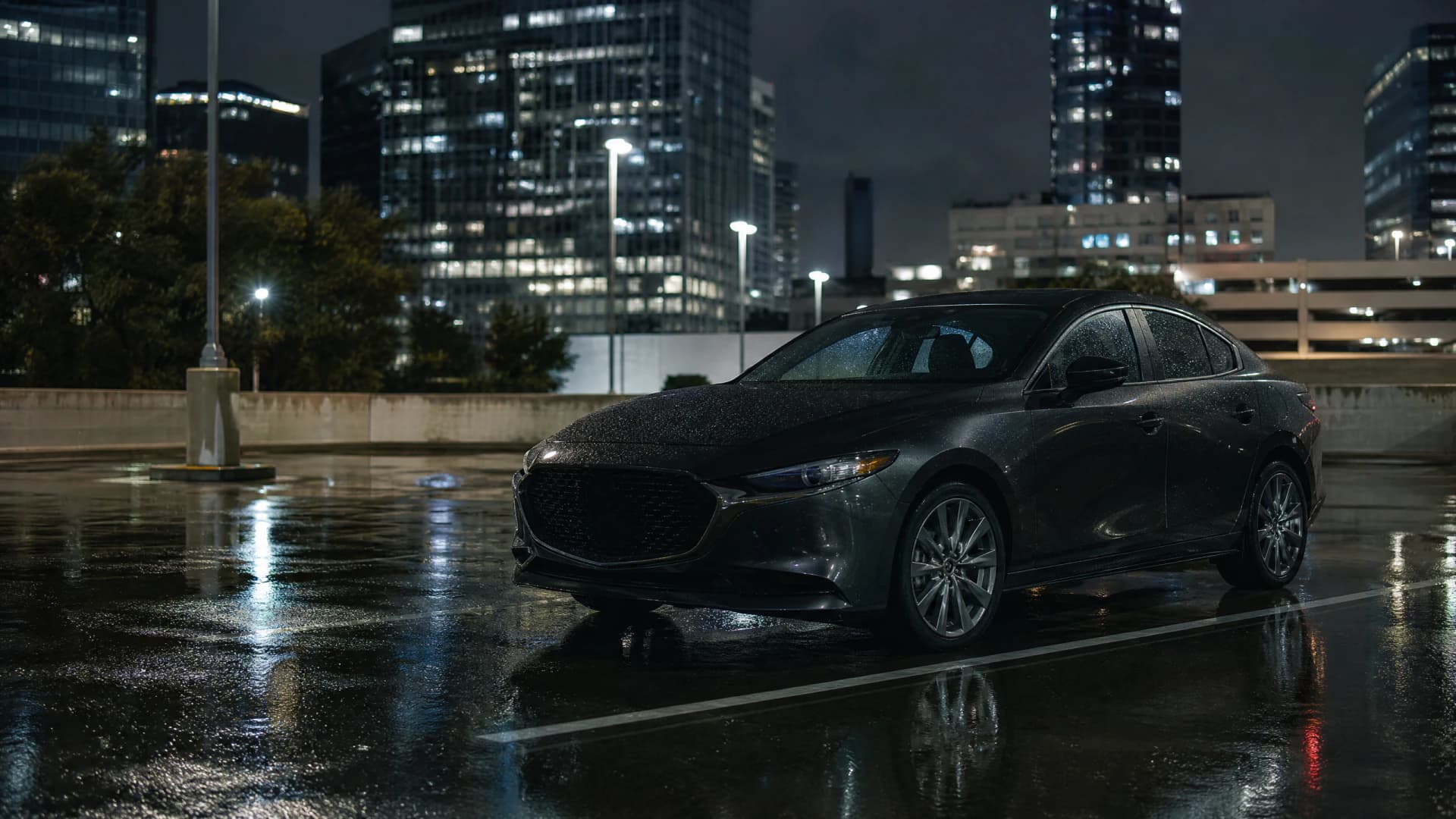
New Hampshire's 10% uninsured rate means one in ten collisions involves a driver with no insurance to pay your claim. UM coverage fills that gap.
Related Articles




Stacking UM Coverage and Policy Structure
Some states allow UM stacking, where you multiply your per-vehicle limits by the number of vehicles on your policy to create a higher total limit. New Hampshire does not permit stacking. Your UM limits are the same whether you insure one car or five. Adding a second or third vehicle to your policy does not increase your UM coverage ceiling.
This makes UM limit selection more important for multi-vehicle households. A family with three cars and $25,000 per person in UM coverage has the same protection as a single-car household with the same limit. If higher protection matters, you raise the per-person and per-accident limits directly, not by adding vehicles.
Carriers writing in New Hampshire include State Farm, Geico, Progressive, Allstate, and others. When comparing policies, verify that the UM limits match or exceed your liability limits. Some households choose higher UM limits than their liability minimums to protect against underinsured drivers who carry only the state minimum.
$25,000 / $50,000
NH Minimum Liability Limits
New Hampshire's minimum liability requirement is $25,000 per person and $50,000 per accident for bodily injury, plus $25,000 for property damage. When you carry liability insurance, your UM coverage must match these limits at minimum.
New Hampshire DMV

Choosing Higher UM Limits
New Hampshire law requires UM coverage to match your liability limits, but you can choose higher UM limits if you want more protection. Higher limits protect you when medical bills exceed the minimum, when multiple family members are injured, or when an underinsured driver's policy falls short.
Underinsured motorist coverage is a related product that pays when the at-fault driver carries insurance but not enough to cover your losses. New Hampshire does not require underinsured motorist coverage, but carriers offer it as an add-on. If you carry higher UM limits, consider adding underinsured motorist coverage at the same level to close the gap between the other driver's policy and your actual costs.
Compare Carriers and Verify UM Coverage
Every carrier writing in New Hampshire structures UM coverage slightly differently. Some bundle UM bodily injury and UM property damage automatically. Others offer property damage UM as a separate line item. When you request quotes for multiple vehicles, confirm that each quote includes UM coverage at the limits you want and that the per-person and per-accident maximums are clear.
New Hampshire's financial-responsibility framework gives you flexibility most states don't offer, but that flexibility requires you to make informed choices. If you decide to carry insurance, UM coverage is mandatory and protects your household against the 10% of drivers who carry none. Compare your options, verify your limits, and structure your policy to match your household's risk.
How UM Coverage Works Across Multiple Vehicles
Your UM limits are per-person and per-accident maximums that apply regardless of how many vehicles you own. If you carry $25,000 per person and $50,000 per accident in UM coverage, those limits apply whether one car or three cars are on your policy. The per-person limit caps what any single injured person can collect. The per-accident limit caps the total payout for all injuries in one collision.
This structure matters when multiple household members are injured in the same accident. Raising your UM limits to match higher liability limits protects your household better when multiple people are injured.
Get Your Free Quote
Get My New Hampshire Car Insurance QuoteFrequently Asked Questions
Is uninsured motorist coverage required in New Hampshire?
Uninsured motorist coverage is required in New Hampshire when you carry liability insurance. The state does not require all drivers to carry insurance, but if you choose to carry it, UM coverage must be included at limits matching your liability coverage.
Does New Hampshire allow UM coverage stacking?
No. New Hampshire does not permit UM stacking. Your UM limits are per person and per accident, and they do not multiply when you add more vehicles to your policy. A household with three cars has the same UM limit as a household with one car at the same coverage level.
What does uninsured motorist coverage pay for in New Hampshire?
Uninsured motorist coverage pays for injuries and property damage when you're hit by a driver who carries no insurance. It covers medical bills, lost wages, vehicle repair costs, and pain and suffering up to your policy limits. It also applies in hit-and-run accidents.
Can I carry higher UM limits than the state minimum in New Hampshire?
Yes. New Hampshire law requires UM coverage to match your liability limits, but you can choose higher UM limits for additional protection.
What is the difference between uninsured and underinsured motorist coverage in New Hampshire?
Uninsured motorist coverage pays when the at-fault driver has no insurance. Underinsured motorist coverage pays when the at-fault driver carries insurance but not enough to cover your losses. New Hampshire requires UM coverage but does not require underinsured motorist coverage.
How does UM coverage work for multiple vehicles on one policy in New Hampshire?
UM coverage applies per person and per accident, not per vehicle. If you insure three cars on one policy with $25,000 per person and $50,000 per accident in UM coverage, those limits apply to any accident involving any of your vehicles. Adding more cars does not increase your UM limits.