
Financed Car Liability-Only Coverage — New Hampshire
Free to compare
The Lender Requirement Overrides State Law
You financed a car in New Hampshire and want to drop to liability-only coverage to save money. New Hampshire doesn't require you to carry insurance at all, so liability-only should be fine. But your lender sent a notice that you must maintain comprehensive and collision, and dropping them violates your loan agreement. The state's financial-responsibility rule doesn't apply to your lender's contract.
New Hampshire is unique: most drivers are not required by law to carry insurance but must prove financial responsibility if requested. Your lender's requirement is separate. The loan contract you signed when you financed the vehicle includes a clause requiring full coverage until the loan is paid off. That clause is enforceable regardless of what New Hampshire law requires.
“The lender's full-coverage requirement is enforceable regardless of what New Hampshire law requires.”

Check Your Rate Against Other New Hampshire Drivers
Get My New Hampshire Car Insurance Quote$25,000 / $50,000 / $25,000
New Hampshire Liability Minimums
When drivers in New Hampshire do carry liability insurance, the state minimum is $25,000 bodily injury per person, $50,000 per accident, and $25,000 property damage. These minimums apply only when coverage is required or voluntarily purchased.
New Hampshire Department of Safety
What Your Loan Contract Actually Requires
Every auto loan contract includes a section titled Physical Damage Coverage or Collateral Protection. That section requires you to maintain comprehensive and collision coverage on the financed vehicle until the loan balance reaches zero. The lender holds a lien on the car, and full coverage protects their collateral. If the car is totaled or stolen, comprehensive and collision pay the lender directly.
Liability coverage protects other people and their property when you cause an accident. It does not pay to repair or replace your own vehicle. If you drop to liability-only and the car is totaled, you still owe the full loan balance with no car to drive. The lender's requirement exists to prevent that scenario.
The contract also requires you to name the lender as loss payee on the policy. That designation ensures claim payments go to the lender first, up to the loan balance. If you drop comprehensive and collision, the lender receives no claim payment, and you default on the loan.
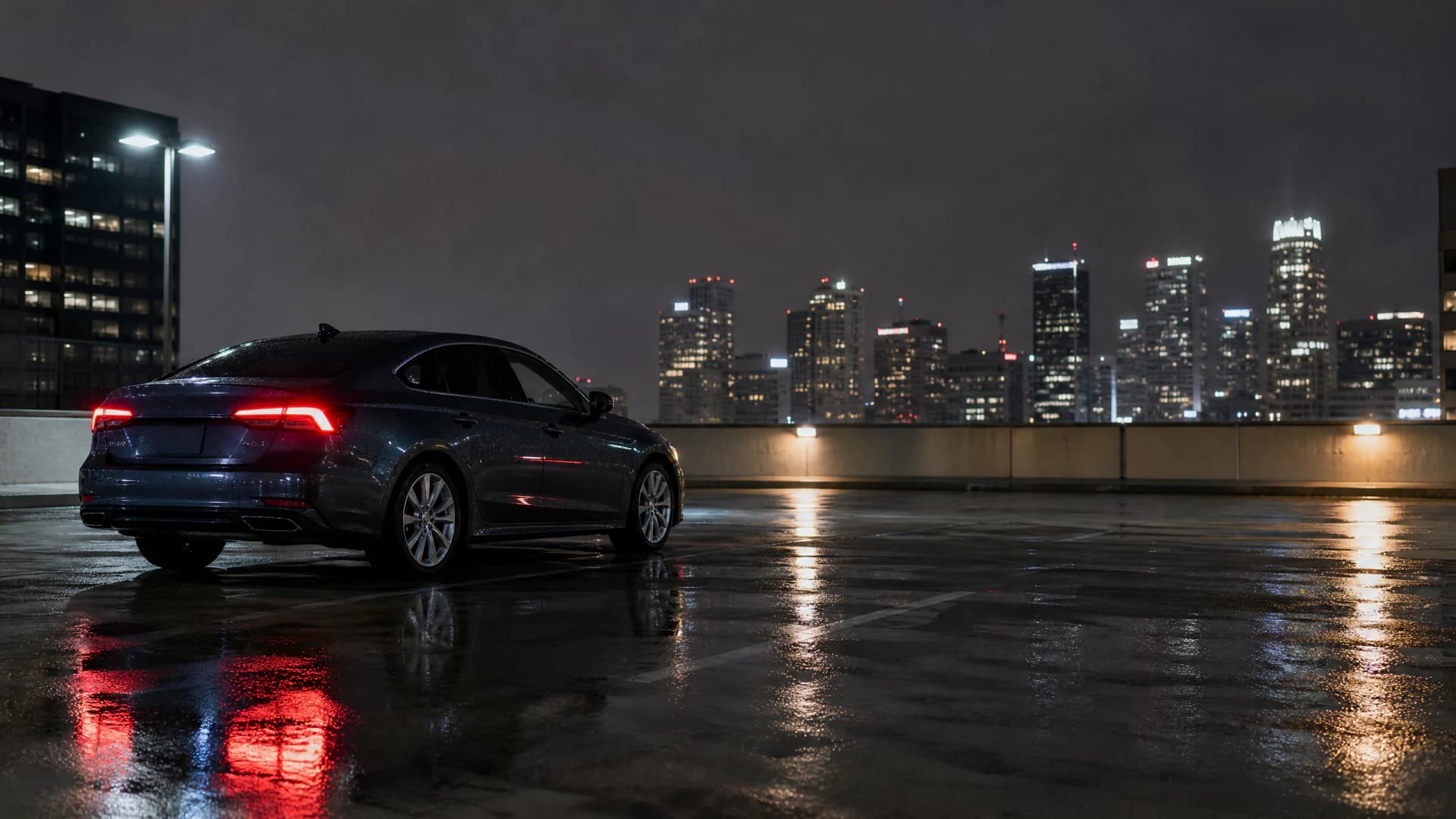
Dropping to liability-only on a financed car breaches your loan contract, even in New Hampshire. The lender can force-place coverage at your expense or accelerate the loan.
Related Articles
New Hampshire Car Insurance Requirements
7/15/2026

New Hampshire Gap Insurance Requirements
7/15/2026

New Car Insurance Requirements — New Hampshire
7/15/2026

Car Insurance When Moving to New Hampshire
7/15/2026

Switching Car Insurance to New Hampshire
7/15/2026

NH Minimum vs Full Coverage Comparison
7/15/2026

When You Can Drop to Liability-Only
You can drop comprehensive and collision once the loan is paid in full and the lender releases the lien. At that point, you own the car outright, and New Hampshire's financial-responsibility rule applies. Most drivers in New Hampshire are not required to carry insurance, but you must be able to prove financial responsibility if the state requests it after an accident or violation.
If the car's value has dropped below the cost of maintaining full coverage, paying off the loan early lets you switch to liability-only immediately. Calculate the remaining loan balance, the car's current value, and the annual cost of comprehensive and collision. If paying off the loan saves more in premiums than the car is worth, early payoff makes sense.
Another scenario: you trade the financed car for a different vehicle. The dealer pays off the existing loan as part of the trade, and the lender releases the lien. If you finance the new car, the new lender requires full coverage on that vehicle. If you buy the new car outright with cash, you can carry liability-only or no insurance at all, subject to New Hampshire's financial-responsibility rule.
10%
New Hampshire Uninsured Motorist Rate
Ten percent of New Hampshire drivers are uninsured, one of the lowest rates in the country. The state's financial-responsibility system and mandatory uninsured-motorist coverage when insurance is carried contribute to the low rate.
Insurance Research Council, 2023

Structuring Coverage Across Multiple Vehicles
If you own multiple vehicles and one is financed while the others are paid off, you can structure coverage differently for each car on the same policy. The financed car carries comprehensive and collision to satisfy the lender. The paid-off cars carry liability-only or higher coverage depending on their value and your budget. Most carriers allow mixed coverage levels on a multi-car policy.
New Hampshire requires uninsured-motorist coverage and personal-injury-protection coverage when you do carry insurance. Those coverages apply to every vehicle on the policy. You cannot drop them selectively. Liability limits also apply across all vehicles, though you can adjust the limits when you renew or add a car.
Compare Carriers That Write New Hampshire Multi-Car Policies
Fifteen carriers write auto insurance in New Hampshire, and most offer multi-car discounts when you insure two or more vehicles on one policy. Allstate, Farmers, Geico, Liberty Mutual, National General, Progressive, State Farm, The General, and USAA all write policies in the state. Coverage requirements and premium structures vary by carrier, and the multi-car discount applies only when every vehicle sits on the same policy.
When one car is financed and requires full coverage while others are paid off and carry liability-only, compare quotes across carriers that write both coverage levels. Some carriers price full coverage more competitively; others price liability-only better. The carrier with the lowest total premium for your household's mix of vehicles is not always the carrier with the lowest rate for a single car. Request quotes that reflect your actual vehicle mix and coverage structure, and confirm the lender is named as loss payee on the financed car before binding the policy.
What Happens When You Drop Full Coverage
The lender sends a demand letter requiring you to reinstate full coverage within 10 to 30 days, depending on the contract terms. If you do not comply, the lender purchases force-placed insurance and adds the premium to your loan balance. Force-placed coverage costs two to three times more than a standard policy and covers only the lender's interest, not yours. You pay the inflated premium but receive no benefit if your car is damaged.
If you refuse to reinstate coverage and refuse to pay the force-placed premium, the lender can declare the loan in default and accelerate the balance. Acceleration means the entire remaining loan amount becomes due immediately. If you cannot pay, the lender repossesses the vehicle. Repossession damages your credit for seven years and leaves you liable for any deficiency balance after the car is sold at auction.
Get Your Free Quote
Get My New Hampshire Car Insurance QuoteFrequently Asked Questions
Can I drop comprehensive and collision on a financed car in New Hampshire?
No. Your loan contract requires you to maintain comprehensive and collision until the loan is paid off, regardless of New Hampshire's no-mandate rule. Dropping full coverage breaches the contract and triggers force-placed insurance or loan default.
What is force-placed insurance and how much does it cost?
Force-placed insurance is coverage the lender purchases on your behalf when you drop required coverage. It costs two to three times more than a standard policy, covers only the lender's interest, and is added to your loan balance. You pay the premium but receive no benefit if your car is damaged.
Does New Hampshire require me to carry car insurance?
No. New Hampshire does not require most drivers to carry insurance, but you must prove financial responsibility if requested after an accident or violation. If you do carry insurance, the state requires $25,000/$50,000/$25,000 liability minimums, uninsured-motorist coverage, and personal-injury protection.
When can I switch to liability-only coverage on my car?
You can switch to liability-only once the loan is paid in full and the lender releases the lien. At that point, you own the car outright and New Hampshire's financial-responsibility rule applies. Until then, the loan contract requires full coverage.
Can I carry different coverage levels on different cars on the same policy?
Yes. Most carriers allow you to carry comprehensive and collision on a financed car while carrying liability-only on paid-off cars, all on the same multi-car policy. Uninsured-motorist and personal-injury-protection coverages apply to every vehicle on the policy and cannot be dropped selectively in New Hampshire.
What happens if I let my insurance lapse on a financed car?
The lender receives an electronic notice within days and sends a demand letter requiring you to reinstate coverage. If you do not comply, the lender purchases force-placed insurance at your expense or declares the loan in default and repossesses the vehicle.