
Personal Injury Protection Requirements — New Hampshire
Free to compare
New Hampshire's Unique PIP Rule
New Hampshire does not require all drivers to carry car insurance. The state operates under a financial-responsibility system: you must prove you can pay for damages you cause, but you are not required to buy a liability policy to do so. When you do choose to carry insurance — or when the state requires you to after certain violations — Personal Injury Protection becomes mandatory. The PIP requirement exists only inside the insurance policy itself.
This creates a structural quirk for households insuring multiple vehicles. Every car on your policy must carry PIP coverage at the state minimum. You cannot add one vehicle with PIP and another without it on the same policy. The mandate applies to the policy structure, not to individual cars, which means your coverage decision affects every vehicle you insure together.
“You cannot carry liability insurance in New Hampshire without PIP — the state mandates both together when you choose to insure.”

Check Your Rate Against Other New Hampshire Drivers
Get My New Hampshire Car Insurance Quote$25,000 / $50,000 / $25,000
New Hampshire Liability Minimums
When you carry insurance in New Hampshire, your policy must meet these liability limits: $25,000 bodily injury per person, $50,000 bodily injury per accident, and $25,000 property damage. PIP is required on top of these minimums.
New Hampshire state minimum liability requirements
What PIP Covers in New Hampshire
Personal Injury Protection pays medical expenses, lost wages, and essential services for you and your passengers after an accident, regardless of who caused it. New Hampshire PIP covers reasonable medical costs, a portion of lost income, and necessary household services you cannot perform due to injury. The coverage applies per person injured, and it pays before you file a liability claim against the other driver.
PIP does not cover vehicle damage — that falls under collision or property-damage liability. It also does not extend to injuries you cause to other drivers; their own PIP or your bodily-injury liability covers those costs. For a household with multiple vehicles, every driver and passenger on your policy has access to PIP benefits after a covered accident, which matters when several household members share the cars.
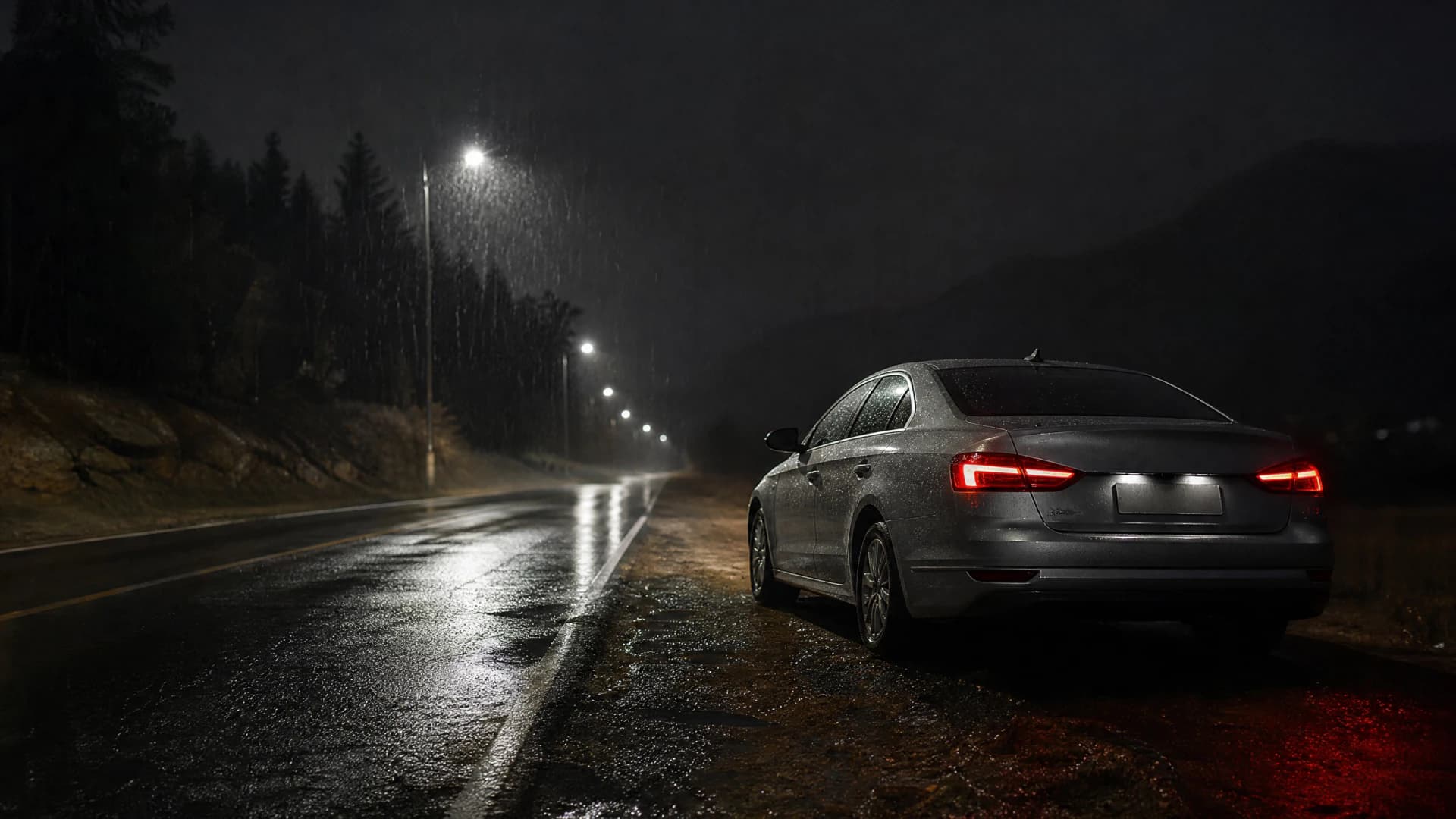
You cannot carry liability insurance in New Hampshire without PIP. The state mandates both together when you choose to insure.



How PIP Affects Multi-Vehicle Policy Structure
When you insure two or more vehicles on one New Hampshire policy, PIP applies to every car. You cannot select PIP for one vehicle and decline it for another — the mandate is policy-level, not vehicle-level. This matters when you add a third or fourth car mid-term, because the new vehicle automatically carries PIP at the same limits as the rest of your policy, and the carrier re-rates the entire policy to reflect the additional exposure.
Some households assume they can drop PIP when adding a rarely-driven vehicle or a car used only for short trips. New Hampshire law does not allow that option. If you carry insurance, every vehicle on the policy must include PIP. The only way to avoid PIP on a specific car is to self-insure that vehicle under the state's financial-responsibility rules, which requires posting a bond or depositing securities with the state — a path most households do not pursue.
Carriers writing multi-vehicle policies in New Hampshire include State Farm, Geico, Progressive, Allstate, Liberty Mutual, Farmers, Nationwide, USAA, Travelers, National General, Bristol West, The General, Amica, Auto Club Enterprises, and Hartford. Each structures the multi-car discount differently, and some require all household vehicles on one policy to qualify. When comparing carriers, confirm whether the multi-vehicle discount applies before or after PIP is added, because the sequence affects your total premium.
15 carriers
New Hampshire Multi-Vehicle Carriers
Fifteen carriers write multi-vehicle policies in New Hampshire, each with different multi-car discount structures and PIP pricing. Comparing carriers that write your household's vehicle count and driver profiles produces the clearest cost picture.
New Hampshire carrier roster

Uninsured Motorist Coverage Completes the Mandate
New Hampshire also requires Uninsured Motorist coverage when you carry a liability policy. UM pays for your injuries and damages when the at-fault driver has no insurance or insufficient coverage to pay your claim. Because New Hampshire does not require all drivers to carry insurance, the uninsured-motorist rate is higher than in states with universal insurance mandates — approximately 10 percent of drivers operate without coverage. UM protects your household when one of those drivers causes an accident involving your vehicles.
For multi-vehicle households, UM applies per vehicle on your policy, just like PIP. You cannot decline UM on one car and keep it on another. The coverage stacks with PIP: PIP pays your medical costs and lost wages first, then UM covers additional damages the at-fault driver's liability policy does not pay. When you structure coverage across several vehicles, both mandates apply to every car, and both affect your total premium.
Compare Carriers That Write Your Household Structure
New Hampshire's PIP and UM mandates apply only when you carry insurance, but once you choose to insure, they apply to every vehicle on your policy. Households with multiple cars benefit from comparing carriers that write multi-vehicle policies in New Hampshire and structure the multi-car discount to fit your vehicle count and driver profiles. Some carriers discount the base premium before adding PIP and UM; others apply the discount after mandatory coverages are priced. The sequence changes your total cost, and the only way to see the difference is to compare quotes that include all mandatory coverages across every vehicle you insure together.
When New Hampshire Requires You to Carry Insurance
New Hampshire requires insurance after a DWI conviction, leaving the scene of an accident, or a second reckless-operation offense. The state also requires proof of financial responsibility — typically an SR-22 certificate filed by your carrier — for three years after these violations. During that period, you must maintain continuous liability and PIP coverage without a lapse.
Households with multiple vehicles face a structural decision here. If one driver in your household triggers the insurance requirement, that driver must carry coverage. Whether the other household vehicles belong on the same policy or separate policies depends on how your carrier structures multi-vehicle discounts and whether the required driver's risk profile raises the premium for every car. Some carriers require all household vehicles on one policy to qualify for the multi-car discount; others allow separate policies when one driver carries a violation.
Get Your Free Quote
Get My New Hampshire Car Insurance QuoteFrequently Asked Questions
Can I decline PIP coverage in New Hampshire?
No. New Hampshire requires PIP on every insurance policy that includes liability coverage. If you carry insurance, PIP is mandatory. The only way to avoid PIP is to self-insure under the state's financial-responsibility rules, which requires posting a bond or securities with the state.
Does PIP apply to all vehicles on a multi-car policy in New Hampshire?
Yes. PIP applies to every vehicle on your New Hampshire policy. You cannot select PIP for one car and decline it for another. The mandate is policy-level, not vehicle-level, so every car you insure together must carry PIP at the same limits.
What does New Hampshire PIP cover for my household?
New Hampshire PIP covers medical expenses, lost wages, and essential services for you and your passengers after an accident, regardless of fault. It pays per person injured and applies before you file a liability claim. Every driver and passenger on your multi-vehicle policy has access to PIP benefits.
Do I need insurance in New Hampshire if I own multiple vehicles?
New Hampshire does not require all drivers to carry insurance, but you must prove financial responsibility. Most households with multiple vehicles choose to insure because the alternative — posting a bond or securities — is impractical. Once you carry insurance, PIP and Uninsured Motorist coverage become mandatory on every vehicle.
How does adding a vehicle affect PIP on my New Hampshire policy?
When you add a vehicle to your New Hampshire policy, the new car automatically carries PIP at the same limits as your existing vehicles. The carrier re-rates your entire policy to reflect the additional exposure. You cannot add a car without PIP if your policy includes liability coverage.