
Cheap Full Coverage Car Insurance — New Hampshire
Free to compare
Why New Hampshire's No-Mandate Rule Changes Full Coverage Shopping
You're shopping for full coverage across two or more vehicles in New Hampshire, and every carrier quote you pull shows a different total premium with no clear pattern. The confusion stems from New Hampshire's unique financial-responsibility structure: the state doesn't require most drivers to carry liability insurance, so carriers writing here assume different risk pools and price multi-car policies with different discount mechanics. What looks like random variation is actually structural — carriers who write primarily voluntary full-coverage buyers price differently than carriers who write post-violation required coverage.
The multi-car discount is your primary cost lever. New Hampshire's no-mandate environment means carriers compete harder for voluntary multi-vehicle households, but only when every car sits on the same policy and meets the carrier's same-policy requirements. Understanding which carriers structure the discount as a percentage off each vehicle versus a flat reduction per policy, and how adding a third or fourth car changes the math, determines whether you lock in the lowest household rate or overpay by hundreds annually.
“A smaller discount on a lower base rate beats a larger discount on a higher base rate — compare total household premiums, not discount percentages.”

Check Your Rate Against Other New Hampshire Drivers
Get My New Hampshire Car Insurance Quote$82/mo
New Hampshire Average Premium
NAIC Auto Insurance Database Report 2023 benchmark for general drivers. Multi-car households typically see lower per-vehicle rates when all cars share one policy, but the discount structure varies by carrier.
NAIC Auto Insurance Database Report 2023
Full Coverage Means Liability Plus Collision and Comprehensive
Full coverage is not a product name. It's shorthand for a policy that combines liability coverage with collision and comprehensive — the three components that together protect you, other drivers, and your vehicles. New Hampshire's minimum liability limits when you do carry coverage are $25,000 per person for bodily injury, $50,000 per accident, and $25,000 for property damage. The state also requires uninsured motorist coverage and personal injury protection when you buy a policy, so every full-coverage policy in New Hampshire includes those five components at minimum.
Collision pays to repair your vehicle after an accident regardless of fault. Comprehensive covers theft, weather damage, vandalism, and animal strikes. When you finance or lease a vehicle, the lender requires both. When you own the car outright, you choose whether the coverage cost justifies the vehicle's value. A household insuring multiple vehicles makes this decision per car — full coverage on the newer financed sedan, liability-only on the older paid-off truck — and the multi-car discount applies to whichever vehicles sit on the same policy.
The pricing asymmetry across carriers stems from how they underwrite New Hampshire's voluntary market. Carriers writing primarily drivers who choose coverage price the multi-car discount more aggressively than carriers writing post-violation required filers. When you compare quotes, you're comparing not just the discount percentage but the base rate each carrier applies before the discount, and those base rates reflect different risk assumptions about who buys coverage in a no-mandate state.
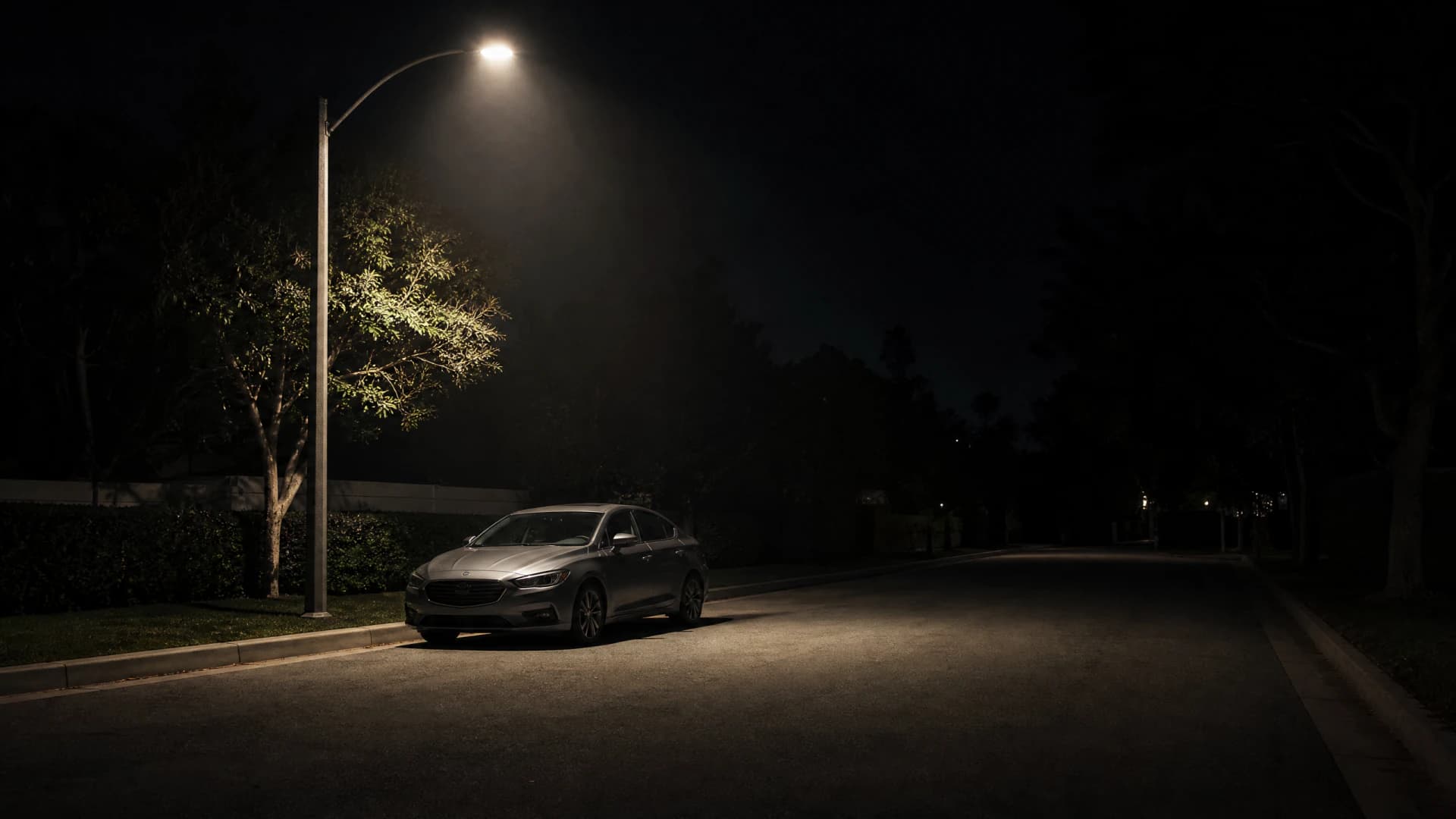
The multi-car discount requires every vehicle on one policy. A car titled to a household member on a separate policy does not count toward the same-policy requirement, and you lose the discount on both policies.
Related Articles





Which Carriers Write Multi-Car Policies in New Hampshire
Fifteen carriers write auto insurance in New Hampshire and accept multi-vehicle policies. State Farm, Geico, Progressive, Allstate, and Farmers write the largest volume of multi-car households and offer online quoting. USAA writes military-affiliated households with strong multi-car pricing but restricts eligibility to service members, veterans, and their families. Travelers, Liberty Mutual, Nationwide, and Hartford write standard and preferred-tier multi-vehicle policies with competitive household discounts.
Bristol West, National General, and The General write non-standard and post-violation households, including drivers required to carry coverage after a suspension or DWI. These carriers accept multi-car policies but price them higher than standard-tier carriers because they assume higher risk. Amica and Auto Club Enterprises write preferred-tier households and deliver strong multi-car discounts for drivers with clean records and good credit.
New Hampshire's no-mandate structure means carriers segment the market sharply. Voluntary full-coverage buyers — households choosing to insure multiple vehicles without a legal requirement — get the most aggressive multi-car pricing from standard and preferred-tier carriers. Post-violation required buyers pay higher base rates even when the multi-car discount applies, because the carrier's risk pool includes more suspended-license and DWI filers. When you compare quotes, compare within the same tier: standard-tier carriers against each other, non-standard carriers against each other. Cross-tier comparisons rarely favor the higher-risk carrier.
15 carriers
New Hampshire Multi-Car Writers
All fifteen carriers licensed in New Hampshire accept multi-vehicle policies, but discount structure and base-rate assumptions vary by tier. Standard-tier carriers price voluntary full-coverage households more competitively than non-standard carriers writing post-violation required coverage.

Deductible Choices and Coverage Limits Across Multiple Vehicles
Collision and comprehensive each carry a deductible — the amount you pay out of pocket before the carrier pays a claim. Common deductible choices are $500 or $1,000. A higher deductible lowers your premium; a lower deductible reduces your out-of-pocket cost at claim time. When you insure multiple vehicles on one policy, you choose the deductible per vehicle, not per policy. The newer financed car might carry a $500 deductible; the older paid-off truck might carry $1,000 or drop collision and comprehensive entirely.
Liability limits work the same way. New Hampshire's minimum when you carry coverage is $25,000 per person, $50,000 per accident, and $25,000 for property damage, but you can buy higher limits. A household insuring multiple vehicles typically carries the same liability limit across all cars because liability follows the driver, not the vehicle — if you cause an accident in any car on the policy, the liability limit applies.
Compare Carriers That Write Your Household Structure
New Hampshire's financial-responsibility rule means you're not required to carry insurance unless you've been convicted of certain violations or involved in an at-fault accident without proof of financial responsibility. If you're shopping for full coverage voluntarily, you're in the standard or preferred tier, and the carriers writing that tier deliver the most competitive multi-car pricing. Pull quotes from at least three standard-tier carriers — State Farm, Geico, Progressive, Allstate, or Farmers — and compare the total household premium, not the per-vehicle rate. The carrier with the lowest single-car quote may not have the lowest multi-car total because discount structures differ.
When you add a vehicle mid-term, the policy re-rates immediately. The new car's premium prorates for the remaining term, and the multi-car discount adjusts across all vehicles from the add date forward. If the new vehicle is financed, the lender requires collision and comprehensive, and those coverages add to the total. If it's paid off and older, you can drop physical-damage coverage and carry liability-only, which still qualifies for the multi-car discount as long as it sits on the same policy. Compare the re-rated total before you finalize the add — some carriers deliver better multi-car scaling than others when you move from two vehicles to three or four.
How the Multi-Car Discount Actually Works
Most carriers structure the multi-car discount as a percentage reduction applied to each vehicle's premium after the base rate is calculated. A smaller discount on a lower base rate can beat a larger discount on a higher base rate, which is why the carrier with the best single-car quote may not deliver the best multi-car total. Adding a second vehicle triggers the discount on both cars. Adding a third or fourth vehicle increases the discount tier at some carriers, but not all — some cap the benefit at two vehicles, others scale it through four or more.
The same-policy requirement is strict. If you and your spouse each carry a separate policy and then marry, combining the policies into one triggers the multi-car discount, but only if both vehicles transfer to the same policy and both drivers are listed. A vehicle titled to a household member who maintains their own policy does not count. A car garaged at a different address may disqualify the discount depending on the carrier's rules. When you add a vehicle mid-term, the policy re-rates immediately — the discount applies from the add date forward, and the premium adjusts for the remaining term.
Get Your Free Quote
Get My New Hampshire Car Insurance QuoteFrequently Asked Questions
Does New Hampshire require full coverage car insurance?
No. New Hampshire does not require most drivers to carry any car insurance. The state operates under a financial-responsibility system: you must prove you can pay for damages if you cause an accident, but you're not required to buy a policy unless you've been convicted of certain violations or involved in an at-fault accident without proof of financial responsibility. Full coverage is a voluntary choice for most drivers.
What is the multi-car discount in New Hampshire?
The multi-car discount is a premium reduction carriers apply when you insure two or more vehicles on the same policy. The discount typically applies to each vehicle's premium after the base rate is calculated. To qualify, every vehicle must sit on the same policy, be garaged at the same address, and meet the carrier's eligibility rules. The discount structure and percentage vary by carrier.
Can I insure multiple cars on different policies in New Hampshire?
Yes, but you lose the multi-car discount. The discount requires every vehicle on one policy. If you and a household member each maintain separate policies, neither policy qualifies for the multi-car discount even if both cars are garaged at the same address. Combining the policies into one triggers the discount and typically lowers the total household premium.
Which carriers offer the best multi-car rates in New Hampshire?
State Farm, Geico, Progressive, Allstate, and Farmers write the largest volume of multi-car households in New Hampshire and offer competitive pricing for standard-tier drivers. USAA delivers strong multi-car discounts for military-affiliated households. The best rate depends on your household structure, driving records, vehicles, and location — compare quotes from at least three carriers to find the lowest total household premium.
What happens when I add a third car to my New Hampshire policy?
The policy re-rates immediately. The new vehicle's premium prorates for the remaining term, and the multi-car discount adjusts across all three vehicles from the add date forward. Some carriers scale the discount higher when you add a third or fourth car; others cap the benefit at two vehicles. Compare the re-rated total before finalizing the add to confirm the carrier's discount structure works in your favor.
Do I need the same coverage on every car in a multi-car policy?
No. You choose collision, comprehensive, and deductible levels per vehicle. A newer financed car might carry full coverage with a $500 deductible; an older paid-off car might carry liability-only. Liability limits typically stay the same across all vehicles because liability follows the driver, not the car. The multi-car discount applies to the total policy regardless of coverage differences between vehicles.