
New Resident Car Insurance Timeline — New Hampshire
Free to compare
The New Hampshire Financial Responsibility Reality
You moved to New Hampshire expecting the same insurance mandate you left behind. New Hampshire does not require all drivers to carry liability insurance. The state operates under a financial-responsibility system: you must prove you can cover damages if you cause an accident, but insurance is one option among several. Most drivers carry it because it is the simplest proof, but the law does not mandate it for everyone.
Your out-of-state policy remains valid while you establish residency, but two deadlines control when you must act: vehicle registration (60 days from establishing residency) and driver license exchange (also 60 days). If you register a vehicle or exchange your license, you trigger New Hampshire's proof-of-financial-responsibility requirement. Miss the registration deadline and you drive unregistered; miss the financial-responsibility proof and the DMV will not complete your transaction.
“New Hampshire does not mandate insurance for all drivers, but registering a vehicle triggers the proof-of-financial-responsibility requirement most residents meet with a liability policy.”

Check Your Rate Against Other New Hampshire Drivers
Get My New Hampshire Car Insurance Quote60 days
New Hampshire Registration Window
New residents must register vehicles within 60 days of establishing residency. The same 60-day window applies to exchanging an out-of-state driver license. Both transactions require proof of financial responsibility if you choose to carry insurance.
New Hampshire Department of Safety, Division of Motor Vehicles
When Your Out-of-State Policy Stops Working
Your current policy covers you until one of three events occurs: you register a vehicle in New Hampshire, you exchange your driver license, or your insurer notifies you that coverage will not continue at your new address. Most carriers write policies across state lines and will transfer your policy to New Hampshire without interruption, but some do not write in New Hampshire or restrict coverage when you move.
Call your current carrier within the first week of your move. Ask whether your policy continues at your New Hampshire address and whether your premium changes. If the carrier writes in New Hampshire and your policy transfers, you meet the financial-responsibility requirement at registration without additional steps. If the carrier does not write in New Hampshire, you have until the registration deadline to secure a New Hampshire policy.
The 60-day registration window is not a grace period for driving without proof. It is the deadline by which you must register. If you drive an unregistered vehicle past 60 days, you violate registration law regardless of whether you carry insurance. If you register within 60 days but cannot prove financial responsibility, the DMV will not complete the registration.
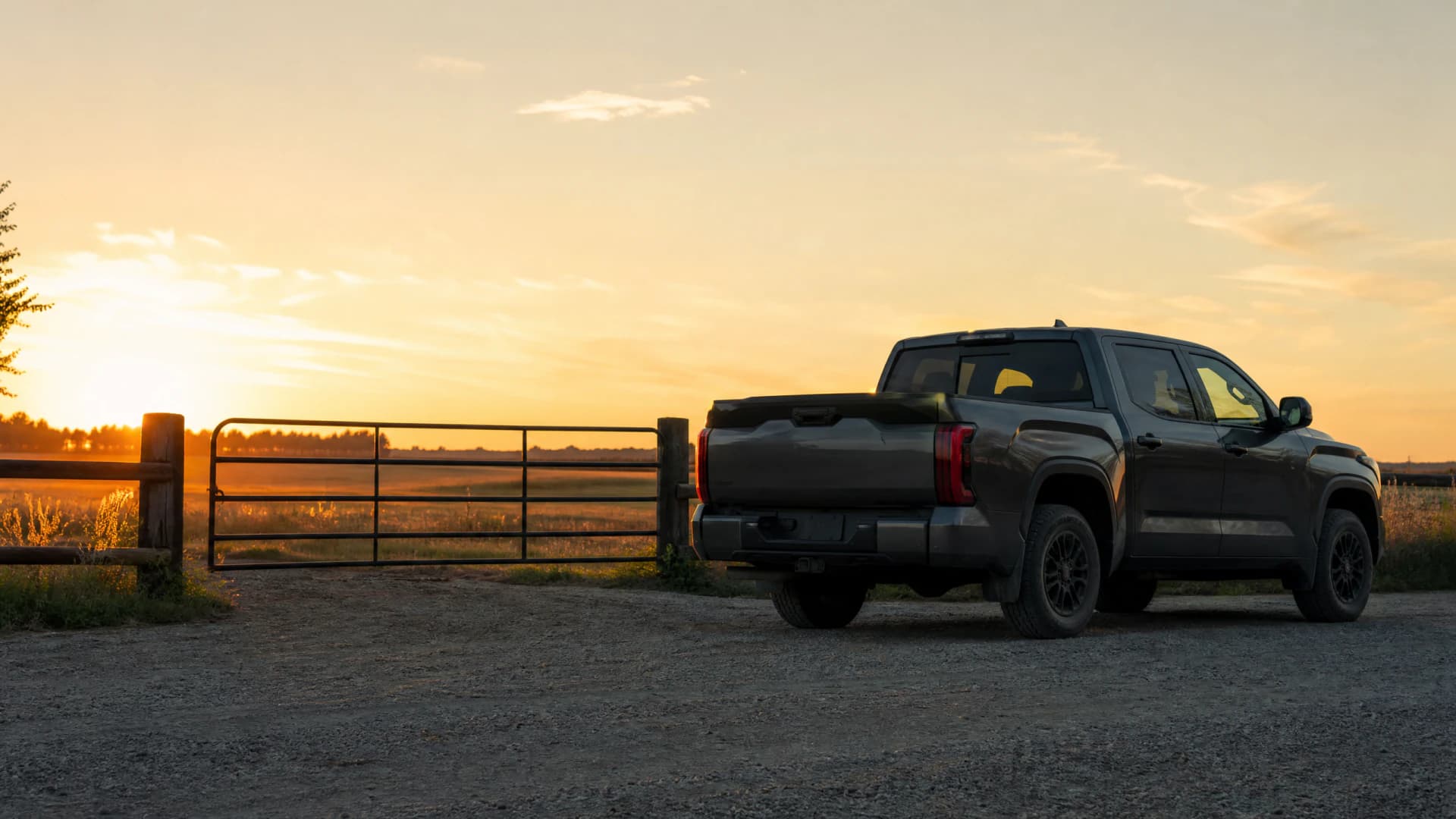
New Hampshire does not mandate insurance for all drivers, but registering a vehicle or exchanging a license triggers the proof-of-financial-responsibility requirement — and most residents satisfy it with a liability policy.
Related Articles

New Hampshire Car Insurance Requirements
7/15/2026

Moving to New Hampshire Car Insurance Rules
7/15/2026

New NH Resident Auto Insurance Steps
7/15/2026

Out-of-State Insurance After NH Move
7/15/2026

New Car Insurance Requirements — New Hampshire
7/15/2026

Out-of-State Car Registration in New Hampshire
7/15/2026

The Registration and License-Exchange Sequence
Register your vehicles first, then exchange your driver license. Both deadlines fall 60 days from the date you establish residency, but registering vehicles before exchanging your license simplifies the process. Vehicle registration requires proof of ownership (title or registration from your prior state), proof of identity, proof of New Hampshire residency (lease, utility bill, or mortgage statement), and proof of financial responsibility if you carry insurance. The DMV will not register a vehicle without these documents.
Driver license exchange requires your current out-of-state license, proof of identity (passport or birth certificate), proof of Social Security number, and proof of New Hampshire residency. If you have already registered a vehicle, that registration serves as residency proof. New Hampshire does not require a written test for license exchange if your out-of-state license is current, but you must pass a vision test.
If you own multiple vehicles, register all of them within the 60-day window. New Hampshire does not penalize you for registering vehicles on different days within that window, but each vehicle must be registered before you drive it on New Hampshire roads. If you delay registration on a second or third car past 60 days, that vehicle is unregistered even if your first vehicle was registered on time.
$25,000 / $50,000 / $25,000
New Hampshire Liability Minimums
New Hampshire's financial-responsibility minimums are $25,000 per person for bodily injury, $50,000 per accident for bodily injury, and $25,000 for property damage. These are the limits you must prove you can cover, whether through insurance or another method.
New Hampshire Revised Statutes

When You Must Carry Insurance After a Violation
New Hampshire's financial-responsibility system changes after certain violations. If you are convicted of DWI, leaving the scene of an accident, or a second reckless-operation offense, the state requires you to file an SR-22 certificate and carry liability insurance for three years. The SR-22 is not insurance — it is a filing your insurer submits to the DMV certifying that you carry at least the state's minimum liability limits. If your policy lapses during the three-year period, the insurer notifies the DMV and your license is suspended until you reinstate coverage and file a new SR-22.
New residents who moved to New Hampshire with an active SR-22 requirement from another state must transfer that requirement. Contact a New Hampshire insurer that writes SR-22 policies and request an SR-22 filing. The insurer files the certificate with the New Hampshire DMV, and your three-year period continues from the original start date in your prior state. Do not let your out-of-state SR-22 lapse during the move — a lapse triggers an immediate license suspension in New Hampshire even if you have not yet exchanged your license.
Comparing Carriers That Write Multiple Vehicles
If you own two or more vehicles, most carriers writing in New Hampshire offer a multi-car discount when all vehicles sit on the same policy. The discount structure varies by carrier: some apply a percentage reduction to each vehicle after the first, others reduce the total premium by a fixed amount, and a few reduce the base rate before calculating coverage costs. The mechanics matter because a smaller discount on a lower base rate can produce a lower total premium than a larger discount on a higher one.
Fifteen carriers in the injected roster write policies in New Hampshire, and most write multi-vehicle policies. When comparing quotes, confirm that each carrier applies the multi-car discount to your household structure — some require all vehicles to be garaged at the same address, others allow vehicles garaged at different addresses within the same household, and a few restrict the discount to vehicles titled to the same person. If you and a spouse each owned a car before the move and titled them separately, ask whether combining titles or keeping them separate affects the discount eligibility.

Your First Action in the First Week
Call your current insurer within seven days of your move. Confirm whether your policy continues at your New Hampshire address, whether your premium changes, and whether the carrier will file an SR-22 if you need one. If the carrier writes in New Hampshire and your policy transfers without interruption, you have met the financial-responsibility requirement and can register your vehicles as soon as you gather the other required documents. If the carrier does not write in New Hampshire, request quotes from carriers in the state roster above and secure a policy before the 60-day registration deadline. Do not wait until day 59 — carriers need processing time, and a lapse between your old policy's end date and your new policy's start date leaves you without proof at the DMV.
What New Hampshire Accepts as Proof
A liability insurance policy meeting New Hampshire's minimum limits satisfies the requirement. The state does not mandate Personal Injury Protection or Uninsured Motorist coverage for drivers who choose not to carry insurance, but if you buy a policy, New Hampshire law requires the insurer to include both unless you reject them in writing. Most new residents coming from mandatory-insurance states already carry limits at or above New Hampshire's minimums, so transferring an existing policy usually meets the requirement without adjustment.
Alternatives to insurance include a surety bond filed with the state, a certificate of deposit held by the state treasurer, or cash deposited with the state in the amount of the minimum liability limits. These options require upfront capital and administrative steps most households do not pursue, which is why the vast majority of New Hampshire drivers carry liability insurance even though the state does not mandate it for everyone.
Get Your Free Quote
Get My New Hampshire Car Insurance QuoteFrequently Asked Questions
Do I need car insurance immediately when I move to New Hampshire?
New Hampshire does not require all drivers to carry insurance, but you must prove financial responsibility when you register a vehicle or exchange your driver license. Most new residents satisfy this requirement with a liability policy meeting the state's $25,000/$50,000/$25,000 minimums. Your out-of-state policy remains valid until you register or your insurer notifies you coverage will not continue.
How long can I drive with out-of-state plates in New Hampshire?
You must register your vehicle within 60 days of establishing New Hampshire residency. Your out-of-state registration remains valid during that window, but driving an unregistered vehicle past 60 days violates registration law. Register all vehicles you own within the 60-day period.
What happens if my current insurer does not write in New Hampshire?
If your carrier does not write policies in New Hampshire, secure a new policy before the 60-day registration deadline. Request quotes from carriers writing in the state and bind coverage before your out-of-state policy ends. A lapse between policies leaves you without proof of financial responsibility at the DMV.
Does New Hampshire require SR-22 filing for new residents?
New Hampshire requires SR-22 filing only after specific violations: DWI, leaving the scene of an accident, or a second reckless-operation offense. If you moved to New Hampshire with an active SR-22 requirement from another state, transfer that requirement to a New Hampshire insurer immediately. The three-year filing period continues from the original start date.
Can I register multiple vehicles on different days in New Hampshire?
Yes. New Hampshire allows you to register vehicles on different days within the 60-day window. Each vehicle must be registered before you drive it, but you do not need to register all vehicles on the same day. If you delay registration on any vehicle past 60 days, that vehicle is unregistered.
What documents do I need to register a car in New Hampshire?
Vehicle registration requires proof of ownership (title or out-of-state registration), proof of identity, proof of New Hampshire residency (lease, utility bill, or mortgage statement), and proof of financial responsibility if you carry insurance. The DMV will not register a vehicle without these documents.