
Multi-Car Insurance for Clean-Record Drivers — New Hampshire
Free to compare
The Clean-Record Multi-Car Decision in New Hampshire
You own two or more vehicles, no one in your household has a recent violation, and you are trying to decide whether to put every car on one policy or keep them separate. In most states that decision is straightforward: combine them, get the multi-car discount, save money. In New Hampshire the calculation is different because the state does not require you to carry liability insurance at all unless you have been convicted of certain violations or cannot otherwise prove financial responsibility.
This article walks through how the multi-car discount works when coverage is optional, what the state actually requires from clean-record drivers, and how to structure your policies when you choose to insure multiple vehicles in a financial-responsibility state.
“In New Hampshire, the decision to carry insurance at all precedes the decision to combine policies.”

Check Your Rate Against Other New Hampshire Drivers
Get My New Hampshire Car Insurance Quote$25,000 / $50,000 / $25,000
New Hampshire Minimum Liability Limits
When a New Hampshire driver does carry liability insurance — either by choice or because the state requires proof of financial responsibility after a violation — coverage must meet these minimums: $25,000 bodily injury per person, $50,000 bodily injury per accident, $25,000 property damage. The state also mandates personal injury protection and uninsured motorist coverage when a policy is written.
New Hampshire Department of Safety
What New Hampshire Actually Requires
New Hampshire does not mandate that all drivers carry liability insurance. Instead, the state operates under a financial-responsibility model: you must be able to prove you can cover damages if you cause an accident, but you are not required to do so through an insurance policy. Most drivers satisfy this requirement by carrying coverage voluntarily, but some choose to self-insure or post a bond.
The state does require proof of financial responsibility after certain triggering events: any DWI conviction, leaving the scene of an accident, a second reckless-operation offense, or failure to pay a judgment from a crash you caused. If one of those applies, you must file an SR-22 certificate and carry coverage for three years. For clean-record households with no violations, insurance remains optional.
When you do carry a policy in New Hampshire, it must include personal injury protection and uninsured motorist coverage in addition to the liability minimums listed above. These are not optional add-ons; they are mandatory components of any auto policy written in the state.
The multi-car discount applies only when every vehicle sits on the same policy, which means clean-record households choosing coverage must decide whether one shared policy or separate policies makes financial sense.



When Combining Policies Saves Money and When It Does Not
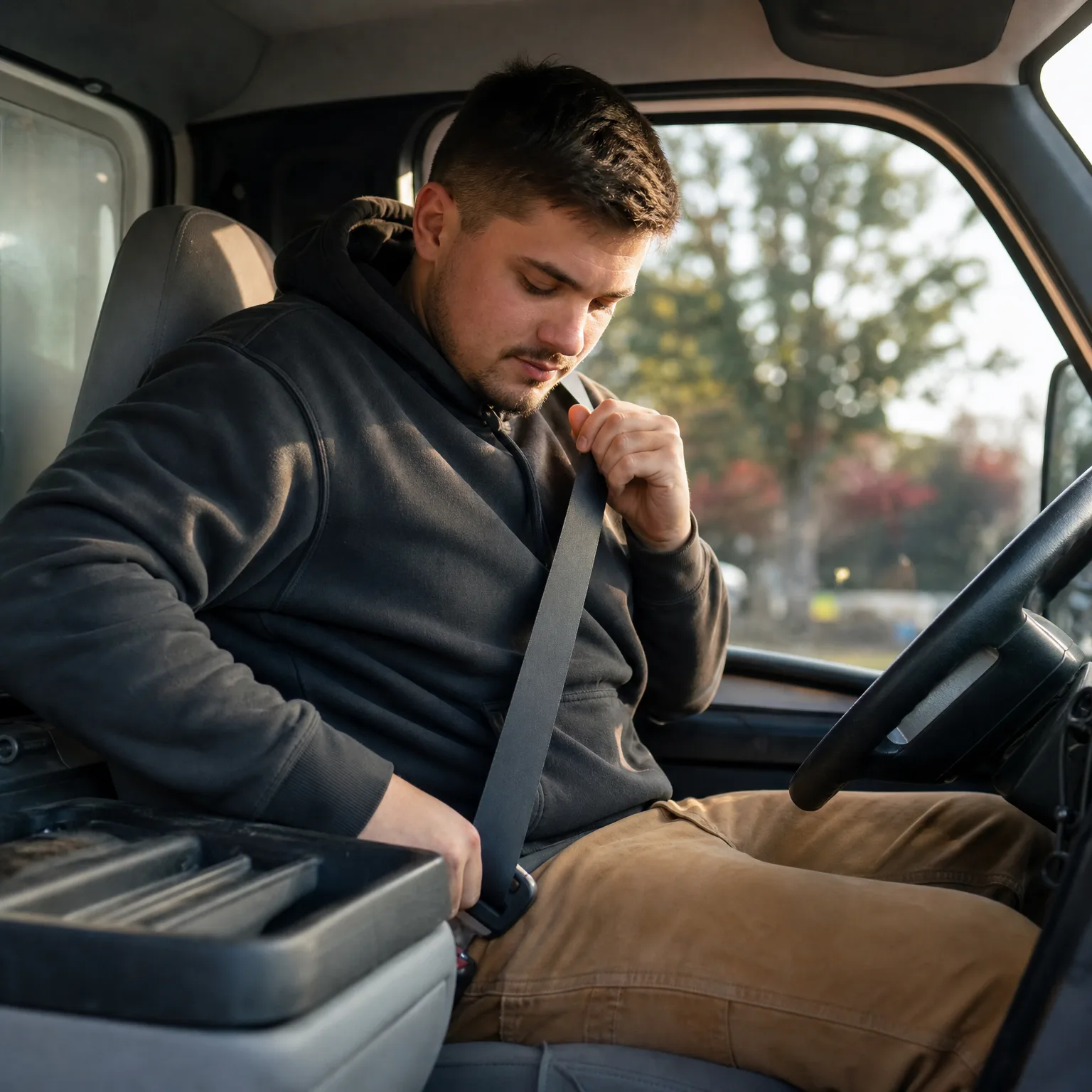
Combining two or more vehicles on one policy almost always lowers the total premium compared to separate policies for the same coverage, because the multi-car discount offsets the base rate. The exception is when one vehicle or driver carries a significantly higher risk profile than the others: a teenage driver with their own car, a high-performance vehicle, or a driver with a recent violation. In those cases, isolating the high-risk vehicle on its own policy can prevent it from raising the base rate for the entire household.
New Hampshire's financial-responsibility model introduces a second structural consideration. If one household member is required to carry coverage due to a violation and file an SR-22, but the other vehicles and drivers have clean records, you must decide whether to combine the SR-22 filer's vehicle with the rest of the household or keep it separate. The SR-22 itself does not raise rates, but the underlying violation does, and that violation can re-rate every vehicle on the policy.
For clean-record households with no violations, the decision is simpler: one shared policy delivers the multi-car discount with no risk-profile conflict. The savings come from the discount itself and from the elimination of duplicate policy fees. Each separate policy carries its own administrative fee; one combined policy carries one fee.
15 carriers
New Hampshire Multi-Car Carrier Roster
Fifteen carriers write auto insurance in New Hampshire and serve multi-car households: Allstate, Amica, Auto Club Enterprises, Bristol West, Farmers, Geico, Hartford, Liberty Mutual, National General, Nationwide, Progressive, State Farm, The General, Travelers, and USAA. Not all write the same coverage tiers or offer the same multi-car discount structure, so comparing quotes across carriers is the only way to identify the lowest total premium for your household.
New Hampshire carrier roster
What Happens When You Add or Remove a Vehicle Mid-Term
Adding a vehicle to an existing policy mid-term re-rates the entire policy, not just the new car. The carrier recalculates the premium based on the new vehicle count, the make and model of the added car, and the driver assignment. If the new vehicle qualifies the household for a larger multi-car discount, the total premium may increase less than expected; if it pushes the household into a higher risk tier, the increase can exceed the cost of insuring the new car alone.
Removing a vehicle mid-term has the opposite effect: the policy re-rates downward, but the household may lose part of the multi-car discount if the vehicle count drops below the threshold for the current discount tier. A household with three cars dropping to two may see a smaller rate reduction than expected because the discount percentage decreases along with the vehicle count. The timing of the change matters: most carriers prorate the adjustment to the policy anniversary, so adding or removing a car immediately before renewal avoids a mid-term re-rate.
Compare Carriers That Write Multi-Car Policies in New Hampshire
The multi-car discount percentage and the base rate both vary by carrier, and a smaller discount on a lower base rate can deliver a lower total premium than a larger discount on a higher one. The only way to identify the best rate for your household is to compare quotes from multiple carriers writing in New Hampshire, using the same coverage limits and the same vehicle and driver information for each quote.
Start with carriers that write preferred or standard tier policies for clean-record households: State Farm, Geico, Progressive, Allstate, and USAA if you are eligible. Request quotes for one shared policy covering every vehicle in your household, and confirm that every car is garaged at the same address and titled to a household member. If any vehicle does not meet those requirements, ask the carrier whether it disqualifies the household from the multi-car discount or whether an exception applies. Use the comparison tool on this site to request quotes from multiple New Hampshire carriers at once and see the total premium for your household side by side.
How the Multi-Car Discount Works When Coverage Is Optional
To qualify, every vehicle must be listed on the same policy and typically garaged at the same address. A car titled to a household member on a different policy does not count, and a vehicle garaged at a second address may disqualify the household depending on the carrier's underwriting rules. The discount applies to the total premium, not to each vehicle individually, so the savings scale with the number of cars: a household with three vehicles typically sees a larger percentage reduction than a household with two.
In New Hampshire, where coverage is optional for clean-record drivers, the decision to carry insurance at all precedes the decision to combine policies. If you choose to insure your vehicles, the multi-car discount makes one shared policy cheaper than separate policies for the same coverage. If you choose not to insure, the discount is irrelevant. The structural choice is whether to carry coverage; the policy-structure choice is how to arrange it once you decide to insure.
Get Your Free Quote
Get My New Hampshire Car Insurance QuoteFrequently Asked Questions
Does New Hampshire require car insurance for all drivers?
No. New Hampshire does not mandate liability insurance for all drivers. The state requires proof of financial responsibility, which most drivers satisfy by carrying insurance voluntarily, but you are not required to buy a policy unless you have been convicted of certain violations or cannot otherwise prove you can cover damages from an accident you cause.
How does the multi-car discount work in New Hampshire?
The multi-car discount applies when you insure two or more vehicles on the same policy. Every vehicle must be listed on one policy and typically garaged at the same address. The discount reduces the total premium and scales with the number of cars, so a household with three vehicles sees a larger percentage reduction than a household with two.
Can I combine policies if one household member has a violation and the others do not?
Yes, but the violation will re-rate every vehicle on the policy. If one driver is required to carry coverage and file an SR-22 due to a DWI or other violation, adding their vehicle to a shared policy with clean-record drivers can raise the base rate for the entire household. Isolating the high-risk vehicle on its own policy may cost less overall.
What happens to my multi-car discount if I remove a vehicle mid-term?
Removing a vehicle mid-term re-rates the policy downward, but you may lose part of the multi-car discount if the vehicle count drops below the threshold for your current discount tier. A household with three cars dropping to two may see a smaller rate reduction than expected because the discount percentage decreases along with the vehicle count.
Which carriers in New Hampshire offer the best multi-car discount?
The multi-car discount percentage and the base rate both vary by carrier. A smaller discount on a lower base rate can deliver a lower total premium than a larger discount on a higher one. Compare quotes from State Farm, Geico, Progressive, Allstate, and USAA using the same coverage limits and vehicle information to identify the lowest total premium for your household.