
Full Coverage for Financed Cars — New Hampshire
Free to compare
The Lender Requirement Overrides State Law
You bought a car with financing and the lender told you full coverage is mandatory. New Hampshire doesn't require you to carry liability insurance at all — it's a financial-responsibility state where most drivers can legally operate without a policy. But your loan contract is a private agreement, and lenders universally require collision and comprehensive coverage on financed vehicles regardless of what state law permits.
The confusion comes from mixing two separate rules. New Hampshire law gives you the choice to self-insure or carry coverage. Your lender's security interest in the vehicle gives them the right to require insurance that protects their collateral. The loan contract wins. If you drop collision or comprehensive while the loan is active, the lender can place forced-place insurance on the vehicle at your expense or repossess the car for breach of contract.
“New Hampshire law gives you the choice to self-insure, but your lender's security interest in the vehicle gives them the right to require insurance that protects their collateral.”

Check Your Rate Against Other New Hampshire Drivers
Get My New Hampshire Car Insurance Quote$25,000 / $50,000 / $25,000
NH Minimum Liability Limits
When New Hampshire drivers do carry insurance, the state minimum is $25,000 bodily injury per person, $50,000 per accident, and $25,000 property damage. Lenders require these minimums plus collision and comprehensive.
New Hampshire Department of Safety
What Full Coverage Actually Means on a Financed Vehicle
Full coverage is shorthand for a policy that includes liability, collision, and comprehensive. Liability covers damage you cause to others. Collision covers damage to your financed vehicle in an accident regardless of fault. Comprehensive covers theft, vandalism, weather damage, and animal strikes. The lender requires collision and comprehensive because those coverages protect the vehicle itself — the asset securing the loan.
The loan contract specifies the coverage requirement in the insurance clause. Most lenders require collision and comprehensive with a maximum deductible, typically $500 or $1,000. The lender must be named as the loss payee on the policy, which means claim payments for vehicle damage go to the lender first to satisfy the outstanding loan balance. You receive any remaining amount after the loan is paid off.
New Hampshire also requires personal injury protection and uninsured motorist coverage when you carry a policy. These are state-mandated add-ons that apply once you choose to insure. The lender doesn't care about PIP or UM — those protect people, not the vehicle — but you cannot buy a policy in New Hampshire without them.
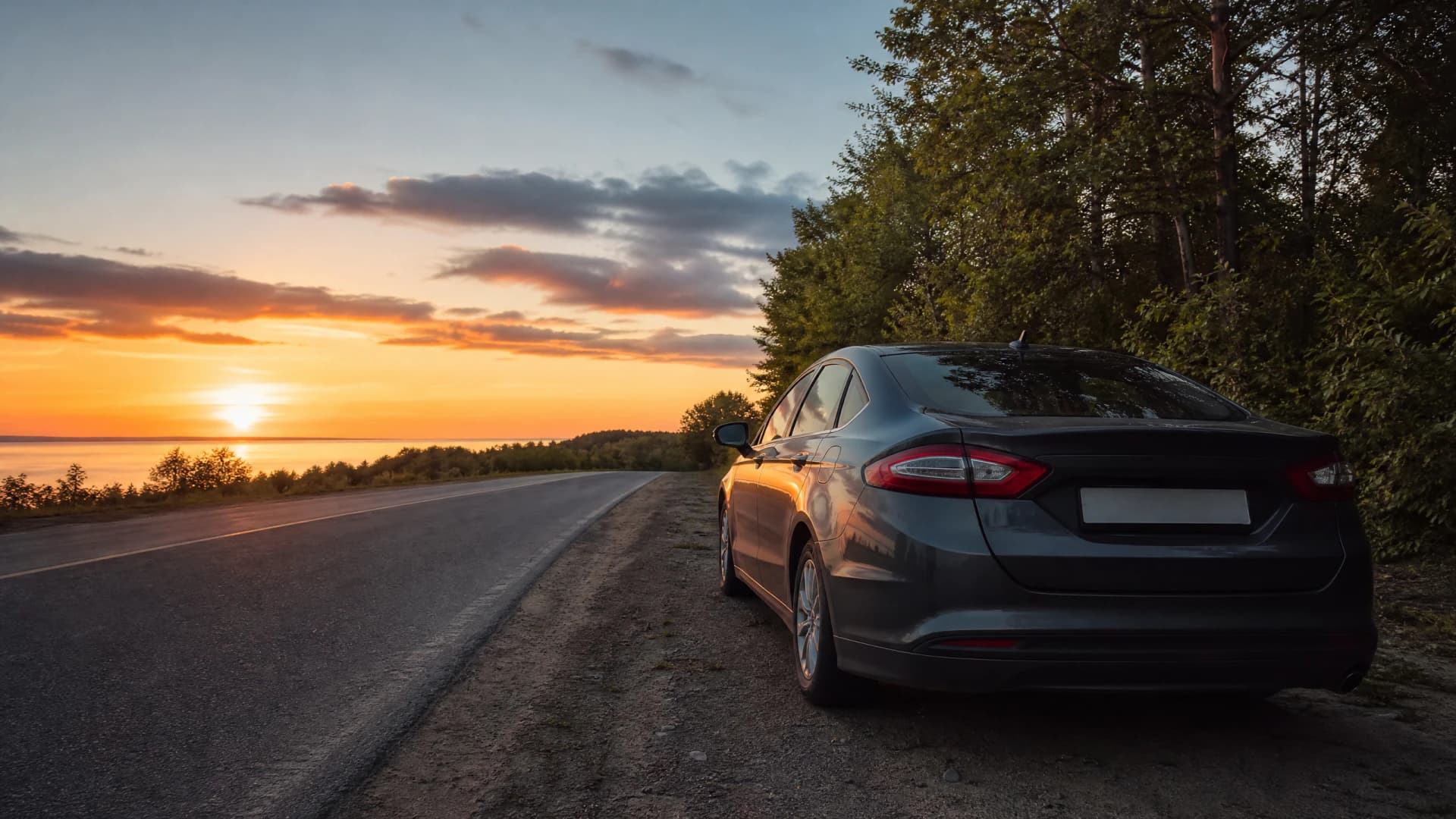
Drop collision or comprehensive mid-term and the lender receives a lapse notice within days. Forced-place insurance or repossession follows within 30 to 45 days.
Related Articles





When You Can Drop Collision and Comprehensive
You can drop collision and comprehensive the day you pay off the loan. Once the lender releases the lien, the vehicle is yours outright and the loan contract no longer governs your coverage decisions. New Hampshire law does not require you to carry any coverage at that point, though you remain liable for damage you cause and for proving financial responsibility if you are involved in an accident.
Dropping collision and comprehensive on a paid-off vehicle makes sense when the vehicle's value falls below a threshold where the premium no longer justifies the potential payout. A common rule of thumb: if annual collision and comprehensive premiums exceed 10 percent of the vehicle's actual cash value, the coverage may cost more than it protects. You are effectively self-insuring at that point.
If you still owe money on the loan, you cannot drop those coverages without breaching the contract. The lender's security interest remains until the loan is satisfied. Paying down the loan to a point where you owe less than the vehicle's value does not change the contract requirement — the lender still holds a lien and still requires full coverage.
10%
NH Uninsured Motorist Rate
One in ten New Hampshire drivers operates without insurance. Uninsured motorist coverage protects you when an at-fault driver cannot pay for damage they cause, which is particularly relevant in a state where insurance is optional.
Insurance Information Institute, 2023

Coordinating Coverage Across Multiple Financed Vehicles
Households financing two or more vehicles must carry collision and comprehensive on every financed car. Each vehicle on the loan requires its own collision and comprehensive coverage. You cannot cover one financed vehicle and skip another — each lender monitors its own collateral independently, and each loan contract carries the same coverage requirement.
Most carriers offer a multi-car discount when you insure multiple vehicles on one policy. The discount applies to the liability portion of the premium, not to collision and comprehensive, but combining policies still reduces your total cost compared to separate policies for each vehicle. The multi-car discount typically requires every vehicle to be garaged at the same address and titled to members of the same household. Adding a second or third financed vehicle to an existing policy triggers a mid-term re-rate, but the combined premium with the discount usually costs less than insuring each vehicle separately.
Compare Carriers That Write Multi-Vehicle Policies in New Hampshire
Collision and comprehensive premiums vary significantly by carrier, even for the same vehicle and driver profile. Comparing quotes from multiple carriers writing in New Hampshire ensures you meet the lender's requirement without overpaying. Carriers writing multi-vehicle policies in the state include State Farm, Geico, Progressive, Allstate, Liberty Mutual, Farmers, Nationwide, Travelers, and USAA. Each prices collision and comprehensive differently based on the vehicle's value, your deductible choice, and your driving history.
Request quotes with the same liability limits, the same deductible, and the same coverage structure across carriers so you can compare apples to apples. The lender does not care which carrier you choose as long as the policy meets the contract requirements and names the lender as loss payee. Switching carriers mid-loan is permitted — you are not locked into the carrier you started with when you bought the car. Compare annually at renewal to ensure you are still getting competitive pricing on the collision and comprehensive coverage the lender requires.
How Lenders Monitor Your Coverage
When you buy a policy, the carrier reports the VIN, coverage types, effective date, and loss payee to a national database. The lender subscribes to that database and receives alerts when coverage lapses, when collision or comprehensive is removed, or when the loss payee designation is deleted. Most lenders receive these alerts within 10 business days of the change. The alert triggers a breach-of-contract notice mailed to your address on file.
The notice gives you a cure period, typically 30 days, to reinstate full coverage and provide proof to the lender. If you do not cure within that window, the lender can purchase forced-place insurance — a policy the lender buys on your behalf and charges to your loan balance — or declare the loan in default and repossess the vehicle. Forced-place premiums are two to three times higher than standard policies because the coverage protects only the lender's interest, not yours, and the lender assumes you are high-risk if you let coverage lapse.
Get Your Free Quote
Get My New Hampshire Car Insurance QuoteFrequently Asked Questions
Can I drop full coverage on a financed car in New Hampshire?
No. Your loan contract requires collision and comprehensive coverage until the loan is paid off, even though New Hampshire does not mandate insurance. Dropping coverage mid-loan breaches the contract and triggers forced-place insurance or repossession.
What happens if I let my policy lapse on a financed vehicle?
The lender receives a lapse notice within 10 business days and mails you a breach-of-contract notice. You typically have 30 days to reinstate coverage. If you do not cure the lapse, the lender can place forced-place insurance on the vehicle at your expense or repossess the car.
Does New Hampshire require full coverage on financed cars?
New Hampshire does not require insurance at all. The full-coverage requirement comes from your loan contract, not state law. Lenders require collision and comprehensive to protect their security interest in the vehicle.
When can I drop collision and comprehensive in New Hampshire?
You can drop collision and comprehensive the day you pay off the loan and the lender releases the lien. Once you own the vehicle outright, the loan contract no longer governs your coverage decisions.
Do I need full coverage on every financed vehicle in my household?
Yes. Each financed vehicle requires its own collision and comprehensive coverage. Each lender monitors its collateral independently, and each loan contract carries the same coverage requirement regardless of how many vehicles you finance.
What deductible should I choose for collision and comprehensive?
Choose the highest deductible your lender permits, typically $500 or $1,000. A higher deductible lowers your premium. Check your loan contract for the maximum allowed deductible before selecting coverage.