
When to Drop Full Coverage Car Insurance — New Hampshire
Free to compare
The Multi-Vehicle Coverage Decision
You own two or more vehicles in New Hampshire, and at least one has depreciated to the point where full coverage premiums feel disproportionate to its value. You're weighing whether to drop collision and comprehensive on that car and keep only liability. The decision seems straightforward: older car, lower value, less coverage needed. But when you're insuring multiple vehicles on one policy, the math is more complicated than it appears.
Dropping full coverage on one vehicle re-rates your entire policy, not just that car's portion. The multi-car discount applies to the policy as a whole, and removing coverage from one vehicle can shift how the discount is calculated across the remaining cars. In some cases, the savings from dropping coverage are smaller than expected because the base rate for the remaining vehicles adjusts upward. In other cases, you save exactly what you anticipated. The outcome depends on how your carrier structures the multi-car discount and whether the vehicle you're modifying is the highest-rated or lowest-rated car on the policy.
“Dropping full coverage on one vehicle re-rates your entire multi-car policy, not just that car's portion.”
Check Your Rate Against Other New Hampshire Drivers
Get My New Hampshire Car Insurance Quote$25,000 / $50,000 / $25,000
New Hampshire Liability Minimums
New Hampshire does not mandate that all drivers carry liability insurance, but drivers who choose to carry coverage or are required to do so after certain violations must meet these minimum limits: $25,000 bodily injury per person, $50,000 per accident, and $25,000 property damage. Personal injury protection and uninsured motorist coverage are also required when a driver carries a policy.
New Hampshire Department of Safety
What Full Coverage Actually Covers Across Multiple Vehicles
Full coverage is not a product name. It is shorthand for a policy that includes liability, collision, and comprehensive coverage. Liability pays for damage you cause to others. Collision pays for damage to your own vehicle in an accident, regardless of fault. Comprehensive pays for non-collision damage: theft, vandalism, weather, fire, animal strikes. When you drop full coverage, you are removing collision and comprehensive while keeping liability.
On a multi-vehicle policy, each car can carry different coverage levels. You can keep full coverage on your newer car and drop it on your older one. The multi-car discount typically applies as long as all vehicles remain on the same policy, but the discount percentage may adjust when coverage levels change. Some carriers calculate the discount based on the total number of vehicles; others base it on the number of vehicles with full coverage. The policy structure matters more than the vehicle count alone.
New Hampshire requires personal injury protection and uninsured motorist coverage when a driver carries a policy. Dropping collision and comprehensive does not remove those mandates. You still carry liability, PIP, and UM on every vehicle. The only coverages you're removing are the ones that pay for physical damage to the vehicle you're modifying.
Dropping full coverage on one vehicle re-rates your entire multi-car policy, not just that car's portion. The savings you see depend on how your carrier structures the multi-car discount across all vehicles.
Related Articles
Best Car Insurance for Multiple Vehicles NH
7/15/2026

NH Minimum vs Full Coverage Multi-Car
7/15/2026
Liability vs Full Coverage NH Multi-Car
7/15/2026

Full Coverage Car Insurance in New Hampshire
7/15/2026

Multi-Car Coverage Needs in New Hampshire
7/15/2026
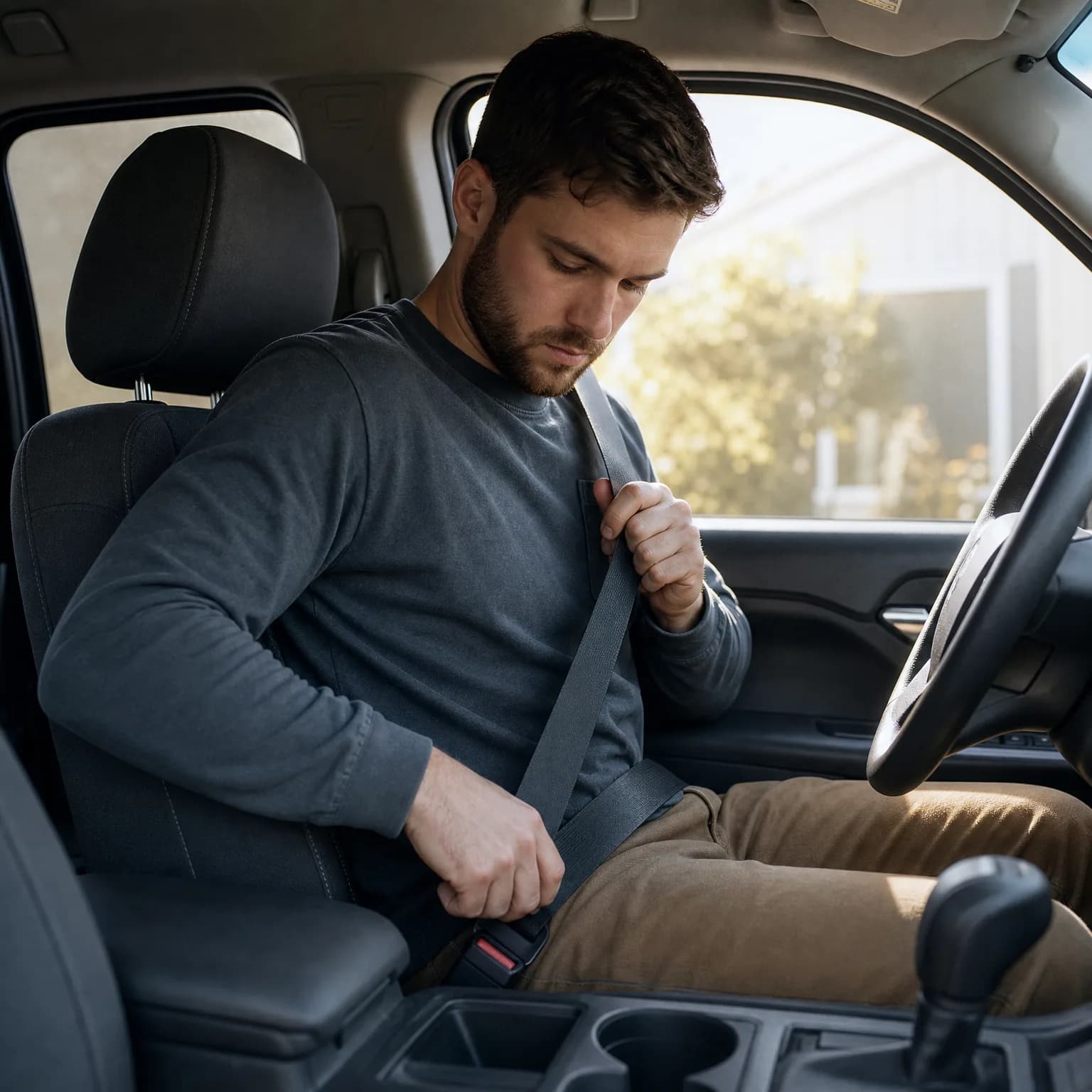
Liability vs Full Coverage in New Hampshire
7/15/2026
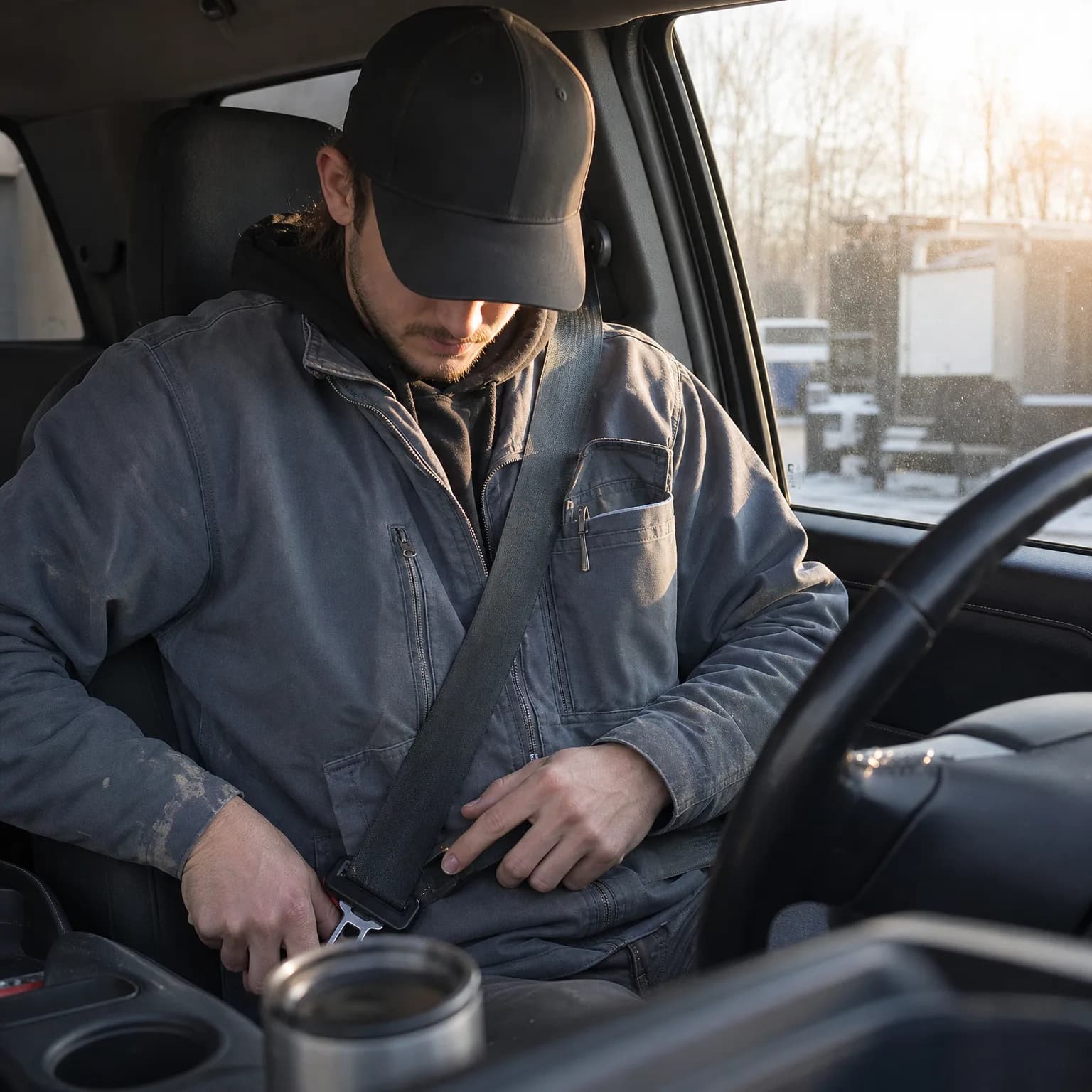
How Dropping Coverage Affects the Multi-Car Discount
The multi-car discount applies when you insure two or more vehicles on one policy. The discount reduces the total premium compared to insuring each vehicle separately. Most carriers require all vehicles to be garaged at the same address and titled to the same household members. The discount percentage varies by carrier, and the structure varies even more.
Some carriers calculate the discount as a flat percentage off the total policy premium, applied once regardless of how many vehicles carry full coverage. Others apply the discount per vehicle, with a larger discount for vehicles that carry collision and comprehensive. When you drop full coverage on one car under the second structure, that vehicle's discount shrinks or disappears, and the policy-wide savings decrease. Under the first structure, the discount remains unchanged as long as all vehicles stay on the policy.
You will not know which structure your carrier uses until you request a quote with the modified coverage. Call your carrier or use their online tool to model the change. Compare the new total premium to your current premium. The difference is your actual savings. If the savings are smaller than you expected, the carrier is recalculating the discount or adjusting the base rate. If the savings match the collision and comprehensive cost you were paying on that vehicle, the discount structure is flat and unaffected by coverage levels.
One failure mode: dropping full coverage on the highest-rated vehicle on your policy. If that car was the most expensive to insure because of its value, age of the primary driver, or claims history, removing its collision and comprehensive may trigger a base-rate adjustment that increases the cost of the remaining vehicles. The multi-car discount does not always insulate you from this effect. Model the change before committing.
10%
New Hampshire Uninsured Motorist Rate
Ten percent of motorists in New Hampshire are uninsured. Uninsured motorist coverage is required when a driver carries a policy and pays for injuries caused by an uninsured driver. Underinsured motorist coverage, also required, pays when the at-fault driver's liability limits are insufficient. Dropping full coverage does not remove these mandates.
Insurance Research Council, 2023

When to Keep Full Coverage on All Vehicles
Keep full coverage on a vehicle when its actual cash value exceeds ten times the annual cost of collision and comprehensive, when the vehicle is financed or leased, or when you cannot afford to replace it out of pocket if it is totaled or stolen. On a multi-car policy, these conditions apply per vehicle. You may keep full coverage on two cars and drop it on a third based on value and use alone.
Lenders and lessors require collision and comprehensive as a condition of the loan or lease. You cannot drop full coverage on a financed or leased vehicle without violating the contract. If you own all your vehicles outright, the decision is yours. If one or more vehicles are financed, those vehicles must carry full coverage regardless of the value threshold. The remaining owned vehicles can be evaluated independently.
Compare Carriers When Restructuring Coverage
When you drop full coverage on one vehicle in a multi-car household, you are restructuring your policy. That is the moment to compare carriers. Different carriers apply the multi-car discount differently, and the carrier that offered the best rate when all vehicles carried full coverage may not offer the best rate when one vehicle carries liability only. Request quotes from multiple carriers with your new coverage structure: full coverage on some vehicles, liability-only on others.
New Hampshire has fifteen major carriers writing auto insurance in the state, including Allstate, Geico, Progressive, State Farm, and USAA. Not all write multi-car policies with the same discount structure. Some apply a flat discount regardless of coverage levels; others tier the discount based on the number of vehicles with full coverage. Compare total policy premiums, not per-vehicle breakdowns. The household's total cost is what matters. The carrier with the lowest total premium after restructuring is the one that fits your new coverage profile best.
The Vehicle Value Decision Framework
Calculate the annual cost of collision and comprehensive on the vehicle you're evaluating. Multiply that figure by ten. If the vehicle's actual cash value is below that threshold, you are paying more in coverage over ten years than the vehicle is worth. At that point, most households choose to drop full coverage and self-insure the physical damage risk. If the vehicle's value is above the threshold, full coverage remains economically defensible.
On a multi-car policy, apply this test to each vehicle independently. Your household may keep full coverage on two newer cars and drop it on a third older one. The decision is per vehicle, but the premium impact is policy-wide. When you drop coverage on one car, the carrier re-rates the policy and recalculates the multi-car discount. The savings from removing collision and comprehensive may be partially offset by a smaller discount or a higher base rate on the remaining vehicles. Compare the new total policy premium to the old one before finalizing the change.
Get Your Free Quote
Get My New Hampshire Car Insurance QuoteFrequently Asked Questions
Does dropping full coverage on one car affect my multi-car discount in New Hampshire?
It depends on how your carrier structures the discount. Some carriers apply a flat discount to the total policy premium regardless of coverage levels; others tier the discount based on the number of vehicles with full coverage. When you drop collision and comprehensive on one car, the carrier re-rates the policy and may recalculate the discount. Request a quote with the modified coverage to see the actual impact on your total premium.
Can I drop full coverage on one vehicle and keep it on others in a multi-car policy?
Yes. Each vehicle on a multi-car policy can carry different coverage levels. You can keep full coverage on newer or higher-value cars and drop it on older ones. The multi-car discount typically remains as long as all vehicles stay on the same policy, but the discount percentage or total premium may adjust when coverage levels change.
What is the rule of thumb for dropping full coverage on a vehicle?
The conventional threshold is when the vehicle's actual cash value falls below ten times the annual cost of collision and comprehensive coverage. If the vehicle is worth less than that, you are paying more in coverage over ten years than the vehicle is worth, and most households choose to drop full coverage and self-insure the physical damage risk.
Do I still need liability insurance in New Hampshire if I drop full coverage?
New Hampshire does not mandate that all drivers carry liability insurance, but if you choose to carry a policy or are required to after certain violations, you must meet the state's minimum liability limits: $25,000 bodily injury per person, $50,000 per accident, and $25,000 property damage. Dropping full coverage removes only collision and comprehensive; liability, personal injury protection, and uninsured motorist coverage remain required when you carry a policy.
Should I compare carriers when I drop full coverage on one car?
Yes. Dropping full coverage on one vehicle restructures your policy, and the carrier that offered the best rate when all vehicles carried full coverage may not offer the best rate with mixed coverage levels. Request quotes from multiple carriers with your new structure and compare total policy premiums. Different carriers apply the multi-car discount differently, and the best fit depends on your household's specific coverage profile.