
Driving Without Insurance — New Hampshire
Free to compare
New Hampshire's Financial Responsibility Rule
You bought a car in New Hampshire, registered it, and started driving without purchasing insurance. A friend or a forum post told you that's illegal everywhere, but you've heard New Hampshire is different. You're trying to figure out whether you're breaking the law right now, and what happens if you get pulled over.
New Hampshire is one of two states that does not mandate liability insurance for most drivers. The state operates under a financial-responsibility system: you are not required to carry coverage unless you've triggered a specific violation or event that places you in mandatory-filing status. Most New Hampshire drivers can legally drive uninsured as long as they can prove financial responsibility if asked. But the moment you cross into mandatory-filing territory, the rules flip completely.
“New Hampshire doesn't require insurance upfront, but once a violation triggers SR-22 status, you must maintain coverage for three years or lose your license.”

Check Your Rate Against Other New Hampshire Drivers
Get My New Hampshire Car Insurance Quote10%
NH Uninsured Motorist Rate
One in ten New Hampshire motorists drives without insurance, the highest uninsured rate in the region. The state's optional-insurance structure contributes to this figure, but uninsured drivers who cause accidents face steep personal liability.
Insurance Research Council, 2023
When Coverage Becomes Mandatory
New Hampshire law does not require you to carry insurance before you drive. It requires you to prove financial responsibility after certain events. Financial responsibility means you can pay for damages you cause: either through insurance, a bond, or cash deposit with the state. Most drivers meet this standard by carrying liability coverage, but the law does not force you to buy it upfront.
Mandatory coverage kicks in after specific violations. A DWI conviction, leaving the scene of an accident, or a second reckless-operation offense triggers mandatory SR-22 filing. SR-22 is not insurance itself; it is a certificate your insurer files with the state proving you carry at least the minimum liability limits. Once you are in SR-22 status, you must maintain continuous coverage for three years. Any lapse restarts the clock and suspends your license.
If you drive uninsured and cause an accident, New Hampshire law holds you personally liable for all damages. The state does not require you to carry coverage before the accident, but it does require you to pay for the harm you cause. If you cannot pay, the state suspends your license until you satisfy the judgment or enter a payment plan. This is the financial-responsibility mechanism in action: you prove responsibility after the fact, not before.
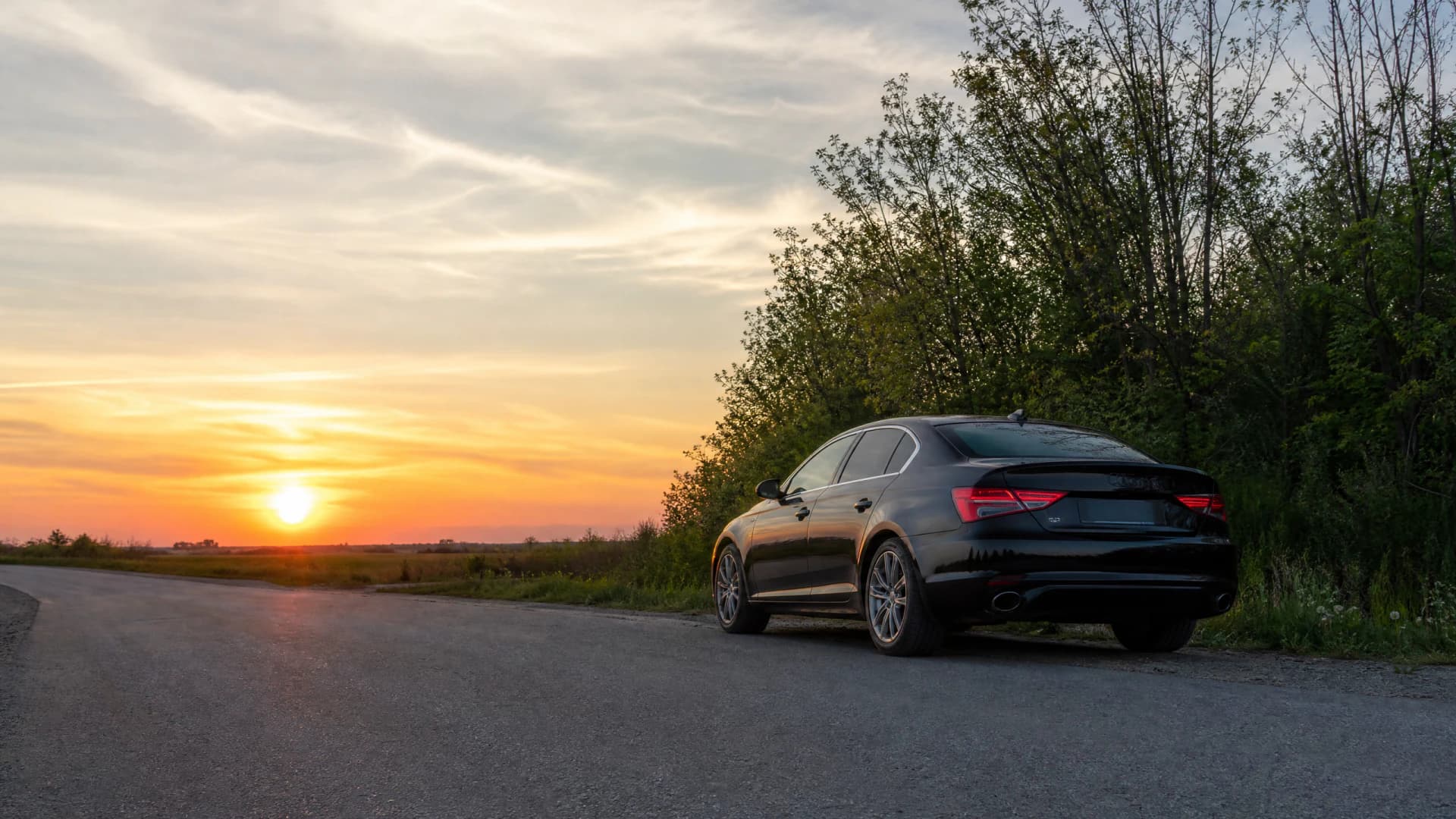
Driving uninsured is legal in New Hampshire until a specific violation or accident places you in mandatory-filing status. Once that happens, you must carry SR-22-backed coverage for three years or lose your license.


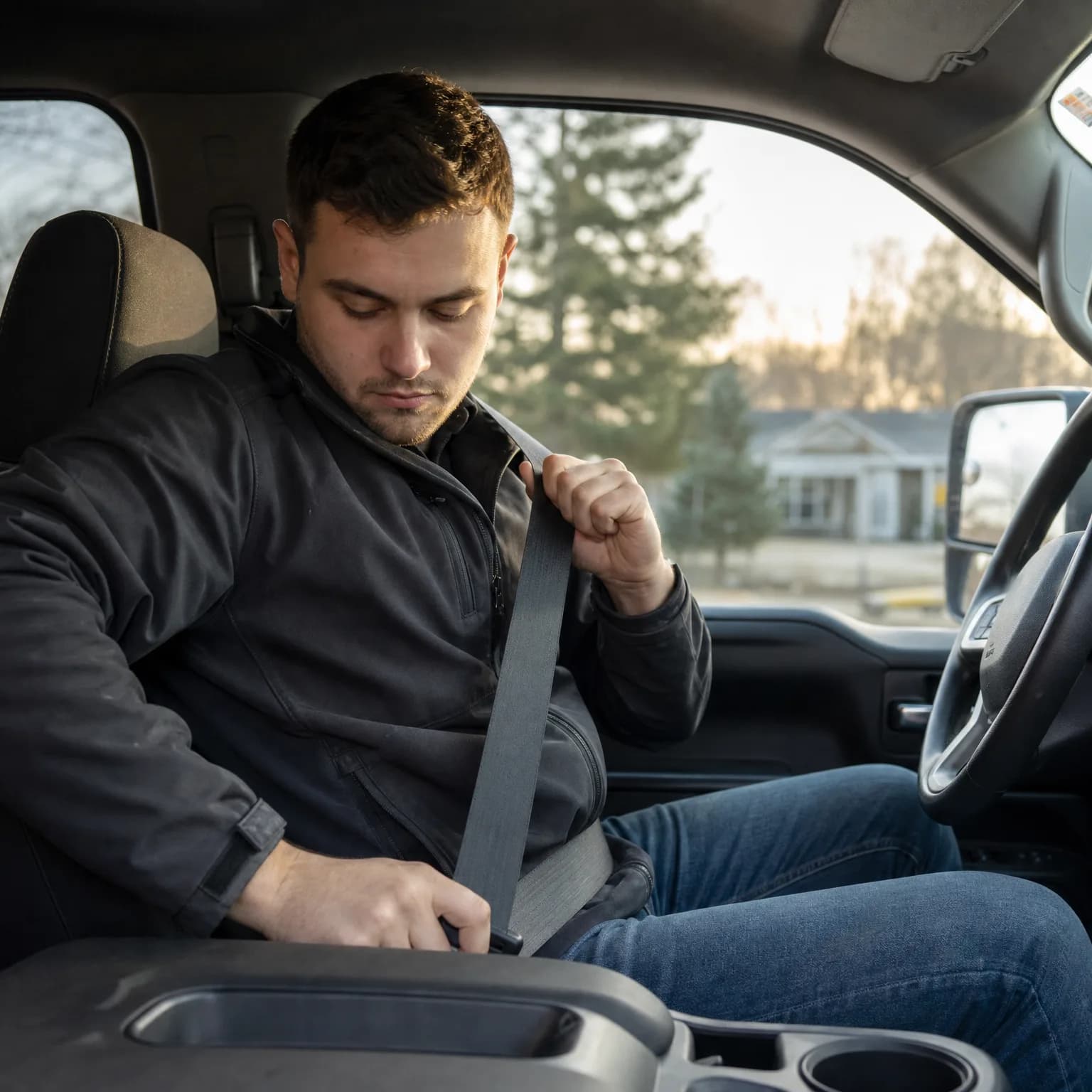




Consequences of Driving Uninsured After a Violation
Once you are in mandatory-filing status, driving without SR-22-backed coverage is a separate offense. The state suspends your license immediately upon notification of a lapse. If you continue driving on a suspended license, you face additional criminal charges, fines, and extended suspension periods. Each violation compounds the next: the original DWI or accident-related suspension, the uninsured-driving suspension, and the driving-while-suspended charge all stack.
The $100 reinstatement fee applies each time your license suspends for failure to maintain coverage. If your policy lapses twice during the three-year SR-22 period, you pay the fee twice. The three-year clock restarts with each lapse, so a single missed payment can extend your mandatory-filing period by years. Carriers that write SR-22 policies in New Hampshire monitor payment closely and report lapses within 24 hours.
If you cause an accident while uninsured and in mandatory-filing status, you face both civil liability for damages and criminal penalties for driving without required coverage. The state can seize assets, garnish wages, or place liens on property to satisfy judgments. The judgment stays on your record until paid in full, and your license remains suspended until you satisfy the debt or arrange a payment plan approved by the court.
$25,000 / $50,000 / $25,000
NH Minimum Liability Limits
New Hampshire requires $25,000 per person and $50,000 per accident in bodily injury liability, plus $25,000 in property damage liability when coverage is mandatory. These minimums apply to SR-22 filers and drivers who choose to carry insurance voluntarily.
New Hampshire RSA 264:15

How to Restore Your License After Suspension
Reinstatement requires three steps. First, obtain SR-22-backed liability coverage from a carrier licensed to write in New Hampshire. Not all carriers write SR-22 policies; you will need to contact insurers directly or work with a broker who specializes in high-risk coverage. Geico, Progressive, State Farm, Farmers, National General, The General, and USAA all write SR-22 policies in New Hampshire. Bristol West writes non-owner SR-22 policies if you do not own a vehicle but need to reinstate your license.
Second, pay the $100 reinstatement fee to the New Hampshire Division of Motor Vehicles. The fee is non-refundable and applies each time your license suspends for failure to maintain coverage. Third, maintain continuous SR-22-backed coverage for the full three-year period. Any lapse, even a single day, triggers automatic suspension and restarts the clock. Set up automatic payments with your carrier and monitor your policy status monthly to avoid lapses.
Compare Carriers That Write SR-22 in New Hampshire
Fifteen carriers write SR-22 policies in New Hampshire, but rates and underwriting standards vary widely. Geico, Progressive, and State Farm write the majority of SR-22 business in the state and offer online quoting tools. National General, The General, and Bristol West specialize in high-risk drivers and often approve applicants other carriers decline. USAA writes SR-22 for military members and their families and typically offers lower rates than standard-market carriers, but eligibility is restricted to service members, veterans, and their dependents.
When comparing carriers, confirm they file SR-22 electronically with the New Hampshire DMV and provide proof of filing within 24 hours. Ask whether the carrier offers non-owner SR-22 policies if you do not own a vehicle but need to reinstate your license. Non-owner policies meet the state's SR-22 requirement and cost less than standard policies because they cover only your liability when driving a borrowed or rented vehicle. Bristol West, Geico, Progressive, National General, The General, and USAA all write non-owner SR-22 policies in New Hampshire. Compare quotes from at least three carriers before committing; the difference between the highest and lowest quote can be substantial, and the state does not regulate SR-22 rates separately from standard auto insurance.
What Triggers Mandatory SR-22 Filing
A DWI conviction is the most common trigger. New Hampshire Revised Statutes 265-A:28 requires drivers convicted of driving while intoxicated to file SR-22 and maintain it for three years from the conviction date. The SR-22 proves you carry at least $25,000 per person and $50,000 per accident in bodily injury liability, plus $25,000 in property damage liability. Your insurer files the certificate electronically with the New Hampshire Division of Motor Vehicles. If your policy lapses or cancels, the insurer notifies the DMV immediately, and your license suspends automatically.
Leaving the scene of an accident and a second reckless-operation offense also trigger mandatory SR-22 filing. The state does not publish a fixed suspension duration for uninsured driving alone, but the suspension typically runs until you meet reinstatement requirements: pay the $100 reinstatement fee, file SR-22, and maintain coverage for the full three-year period. The Bureau of Hearings and the DMV jointly administer these suspensions, and you must satisfy both agencies before your license is restored.
Get Your Free Quote
Get My New Hampshire Car Insurance QuoteFrequently Asked Questions
Can I legally drive without insurance in New Hampshire?
Yes, unless you have triggered mandatory SR-22 filing through a DWI, leaving the scene of an accident, or a second reckless-operation offense. New Hampshire does not require most drivers to carry insurance, but you must prove financial responsibility if you cause an accident. Once you are in mandatory-filing status, you must carry SR-22-backed coverage for three years.
What happens if I get pulled over without insurance in New Hampshire?
If you are not in mandatory-filing status, you will not be cited for driving without insurance. New Hampshire does not require coverage for most drivers. If you are in mandatory-filing status and driving without SR-22-backed coverage, your license suspends immediately and you face additional criminal charges for driving on a suspended license.
How long does SR-22 filing last in New Hampshire?
Three years from the date of the violation that triggered the requirement. Any lapse in coverage during that period restarts the three-year clock and suspends your license. You must maintain continuous SR-22-backed coverage for the full period to satisfy the state's requirement.
How much does it cost to reinstate my license after an uninsured-driving suspension?
New Hampshire charges a $100 reinstatement fee each time your license suspends for failure to maintain required coverage. The fee is non-refundable and applies each time you lapse. You must also obtain SR-22-backed liability coverage and maintain it for three years.
What is a non-owner SR-22 policy?
A non-owner SR-22 policy meets New Hampshire's SR-22 requirement without requiring you to own a vehicle. It covers your liability when driving a borrowed or rented car. Bristol West, Geico, Progressive, National General, The General, and USAA all write non-owner SR-22 policies in New Hampshire.
What are New Hampshire's minimum liability limits?
$25,000 per person and $50,000 per accident in bodily injury liability, plus $25,000 in property damage liability. These minimums apply when you are required to carry coverage or choose to carry it voluntarily. SR-22 filers must meet these minimums for the full three-year filing period.