
Lower Your Car Insurance Rate — New Hampshire
Free to compare
The Multi-Vehicle Discount Trap
You're insuring two or three cars in New Hampshire, and the combined premium feels high. New Hampshire doesn't require you to carry liability insurance unless you've had certain violations, so you're wondering: can you drop coverage on the car you barely drive and keep the discount on the others? The answer is no. The multi-car discount requires every vehicle to sit on the same policy. Drop one car's coverage, and you lose the discount on all of them.
This creates a structural bind for New Hampshire households. The state's financial-responsibility system gives you the legal option to self-insure or go uninsured if you can prove financial responsibility another way, but exercising that option on even one vehicle forfeits the discount that made insuring multiple cars affordable in the first place. The path to a lower rate isn't dropping a vehicle — it's restructuring coverage across all of them.
“The multi-car discount requires every vehicle on the same policy — drop one car's coverage and you lose the discount on all of them.”

Check Your Rate Against Other New Hampshire Drivers
Get My New Hampshire Car Insurance Quote$25,000 / $50,000 / $25,000
New Hampshire Minimum Liability Limits
When you do carry liability insurance in New Hampshire, these are the minimum bodily injury and property damage limits required. Most multi-vehicle households carry higher limits to protect household assets, but understanding the floor helps frame where you can adjust coverage without dropping below state-recognized minimums.
New Hampshire Department of Safety
What the Multi-Car Discount Actually Requires
The multi-car discount applies when you insure two or more vehicles on a single policy with the same carrier. Most carriers require every vehicle to be garaged at the same address and titled to household members. The discount isn't a flat dollar amount — it's a percentage reduction applied to the combined premium, typically structured so that the second vehicle costs less than the first, and the third costs less than the second.
New Hampshire's financial-responsibility rule doesn't change the carrier's policy structure. If you want the discount, every vehicle must carry coverage. If you drop liability on one car to save money, the carrier removes that vehicle from the policy, and the remaining cars lose the multi-vehicle pricing tier. You're back to insuring one or two cars at the higher single-vehicle rate.
This matters because the discount often saves more than the cost of minimum liability on the rarely-driven vehicle. A household insuring three cars might pay less keeping all three on the policy with minimum coverage on the third car than dropping that car entirely and losing the discount on the first two.
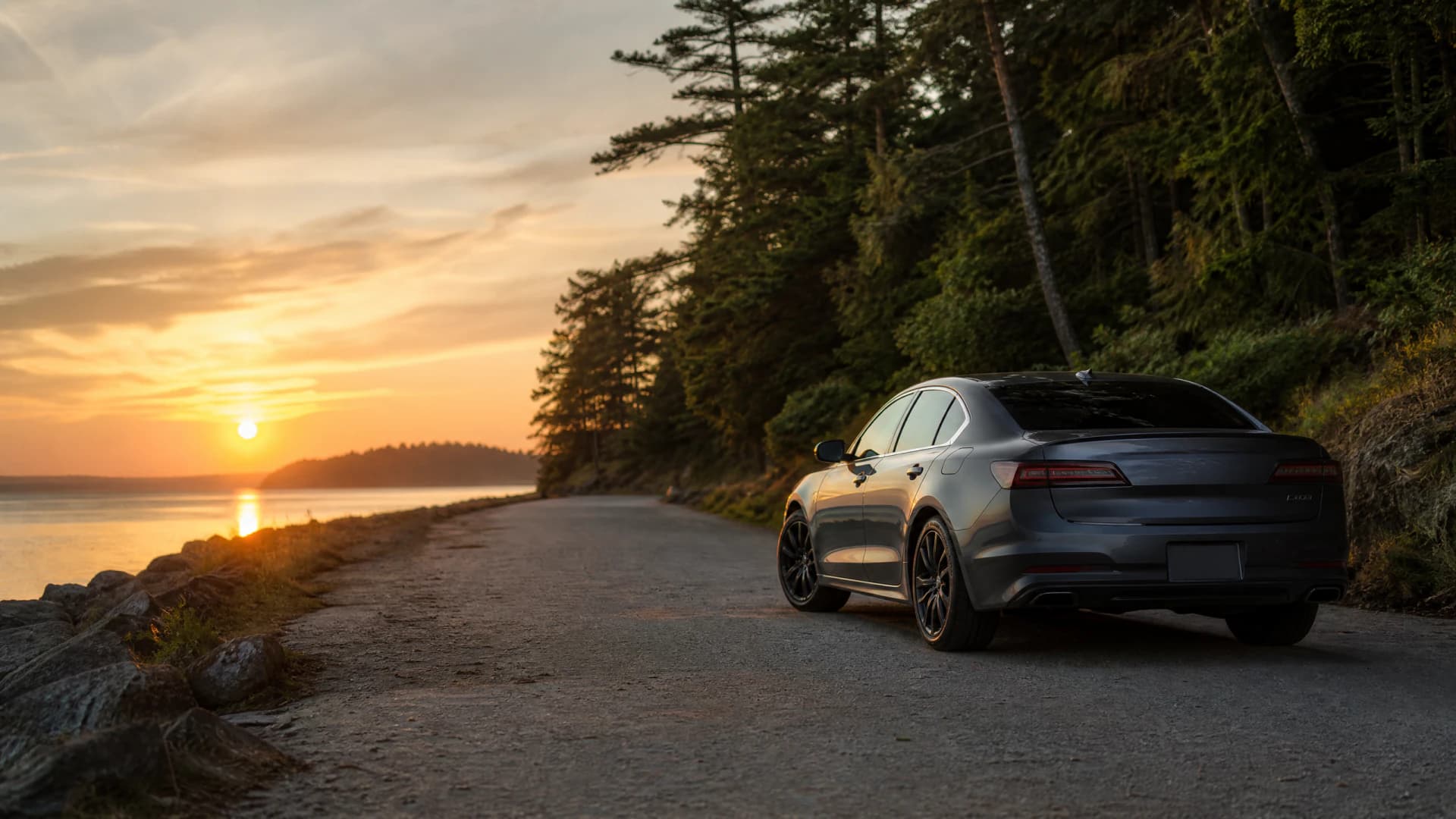
Dropping coverage on one vehicle to save money forfeits the multi-car discount on every remaining vehicle, often costing more than the savings.
Related Articles



Carrier Differences for Multi-Vehicle Policies
Not every carrier structures the multi-car discount the same way. Some apply a larger discount to the second vehicle and a smaller one to the third. Others apply a flat percentage to the total premium once you hit two vehicles. The difference matters when you're comparing quotes, because a smaller discount on a lower base rate can beat a larger discount on a higher one.
Fifteen carriers write multi-vehicle policies in New Hampshire, including Allstate, Geico, Progressive, State Farm, and USAA. Each prices the household differently based on the mix of vehicles, drivers, and coverage levels. A household with two sedans and a pickup will see different relative pricing than a household with three sedans, even if the coverage is identical. The only way to know which carrier offers the lowest combined premium for your specific vehicle mix is to compare quotes with the same coverage structure across all of them.
Some carriers also offer usage-based programs that track mileage or driving behavior. If one of your vehicles sits in the driveway most of the week, a usage-based policy might price that car lower than a standard policy would, while still keeping it on the multi-vehicle policy to preserve the discount.
15 carriers
Carriers Writing Multi-Vehicle Policies in NH
New Hampshire households insuring multiple vehicles can compare quotes from fifteen carriers operating in the state, including both preferred-tier and standard-tier writers. Carrier pricing varies significantly for multi-vehicle households based on vehicle mix, driver profiles, and how each carrier structures its multi-car discount.
Combining Policies After a Household Change
If you recently got married, moved in with a partner, or added an adult child's car to the household, you might have two separate policies that could be combined into one multi-vehicle policy. Combining usually lowers the total premium, but not always. The combined policy re-rates every vehicle and driver as a single household risk, and if one person has a recent violation or a much younger driver on their policy, the combined rate can be higher than keeping the policies separate.
The decision depends on the specifics: how many vehicles, how many drivers, what violations or claims are on each person's record, and how each carrier prices the combined household. Some carriers offer better multi-vehicle discounts than others, and some penalize recent violations more heavily. The only way to know is to get a quote for the combined household and compare it to the sum of the two separate policies.
Compare Carriers With Your Actual Vehicle Mix
The lowest rate for a New Hampshire household insuring multiple vehicles depends on the specific mix of cars, the drivers in the household, the coverage levels you choose, and which carrier's multi-car discount structure fits your situation best. Generic advice doesn't work here — a carrier that offers the best rate for two sedans might not be competitive for a household with a sedan, a truck, and an SUV. You need quotes built on your actual vehicles, your actual drivers, and the same coverage structure across every carrier you compare. That's the only way to see which one delivers the lowest combined premium while preserving the multi-car discount that makes insuring multiple vehicles affordable in the first place.
Where Multi-Vehicle Households Can Actually Cut Premium
Start with collision and comprehensive on older vehicles. If a car is worth less than ten times the annual cost of full coverage, dropping collision and keeping only liability and any state-required coverages usually makes sense. New Hampshire requires personal injury protection and uninsured motorist coverage when you carry liability, so those stay. But collision and comprehensive are optional, and removing them on a low-value vehicle cuts premium without losing the multi-car discount.
Deductibles are the second lever. Raising your collision deductible from $500 to $1,000 on every vehicle lowers premium across the board. The multi-car discount applies to the new lower base rate, so the savings compound. Compare this move across carriers — some apply larger percentage reductions for higher deductibles than others, and the difference shows up clearly when you're insuring three or four cars.
Get Your Free Quote
Get My New Hampshire Car Insurance QuoteFrequently Asked Questions
Does New Hampshire require car insurance for all drivers?
No. New Hampshire is a financial-responsibility state, meaning most drivers are not required to carry liability insurance but must be able to prove financial responsibility if asked. Drivers with certain violations, including DWI convictions, are required to carry coverage and file proof with the state.
Can I drop insurance on one car and keep the multi-car discount on the others?
No. The multi-car discount requires every vehicle to be insured on the same policy. If you drop coverage on one vehicle, the carrier removes it from the policy and the remaining vehicles lose the multi-vehicle pricing tier.
What coverages does New Hampshire require when I do carry insurance?
When you carry liability insurance in New Hampshire, you must also carry personal injury protection and uninsured motorist coverage. The state minimum liability limits are $25,000 per person, $50,000 per accident for bodily injury, and $25,000 for property damage.
How do I lower my premium without losing the multi-car discount?
Adjust coverage levels and deductibles across all vehicles instead of dropping one car's coverage. Remove collision and comprehensive on older low-value vehicles, raise deductibles on all cars, and compare quotes from multiple carriers to find the lowest combined rate for your specific vehicle mix.
Should I combine two separate policies into one multi-vehicle policy?
Usually, but not always. Combining policies typically lowers the total premium, but if one person has a recent violation or a much younger driver, the combined rate can be higher. Get a quote for the combined household and compare it to the sum of the two separate policies before deciding.
Which carriers in New Hampshire offer the best multi-car discount?
Fifteen carriers write multi-vehicle policies in New Hampshire, and each structures its discount differently. A smaller discount on a lower base rate can beat a larger discount on a higher one, so the best carrier for your household depends on your specific vehicle mix, driver profiles, and coverage needs.